Narratives in Art.
Narratives in Art is a living archive of my practice, a space to document, process, and think out loud. Posts might follow a new work, a small observation, an exhibition, or a question I can't yet answer. There is no fixed agenda here, only an ongoing record of how the work develops, where it leads, and what it is slowly becoming.
1-2-1 Reflections.
After a recent tutorial, I began reflecting on how my diagnosis of autism, ADHD and alexithymia has shifted not my work itself, but my understanding of it. This piece explores painting as translation, the tension between chaos and clarity, and how place, material and wordless communication continue to shape my practice.
Alexithymia.
After undergoing diagnostic assessment for autism and ADHD, I have been sitting with what it means to process emotion differently. In this piece, I reflect on alexithymia and consider whether my monochrome ink practice has become an alternative language, a way of organising overwhelm, processing pain and creating space for quiet connection without words.
Sketchbook Habits.
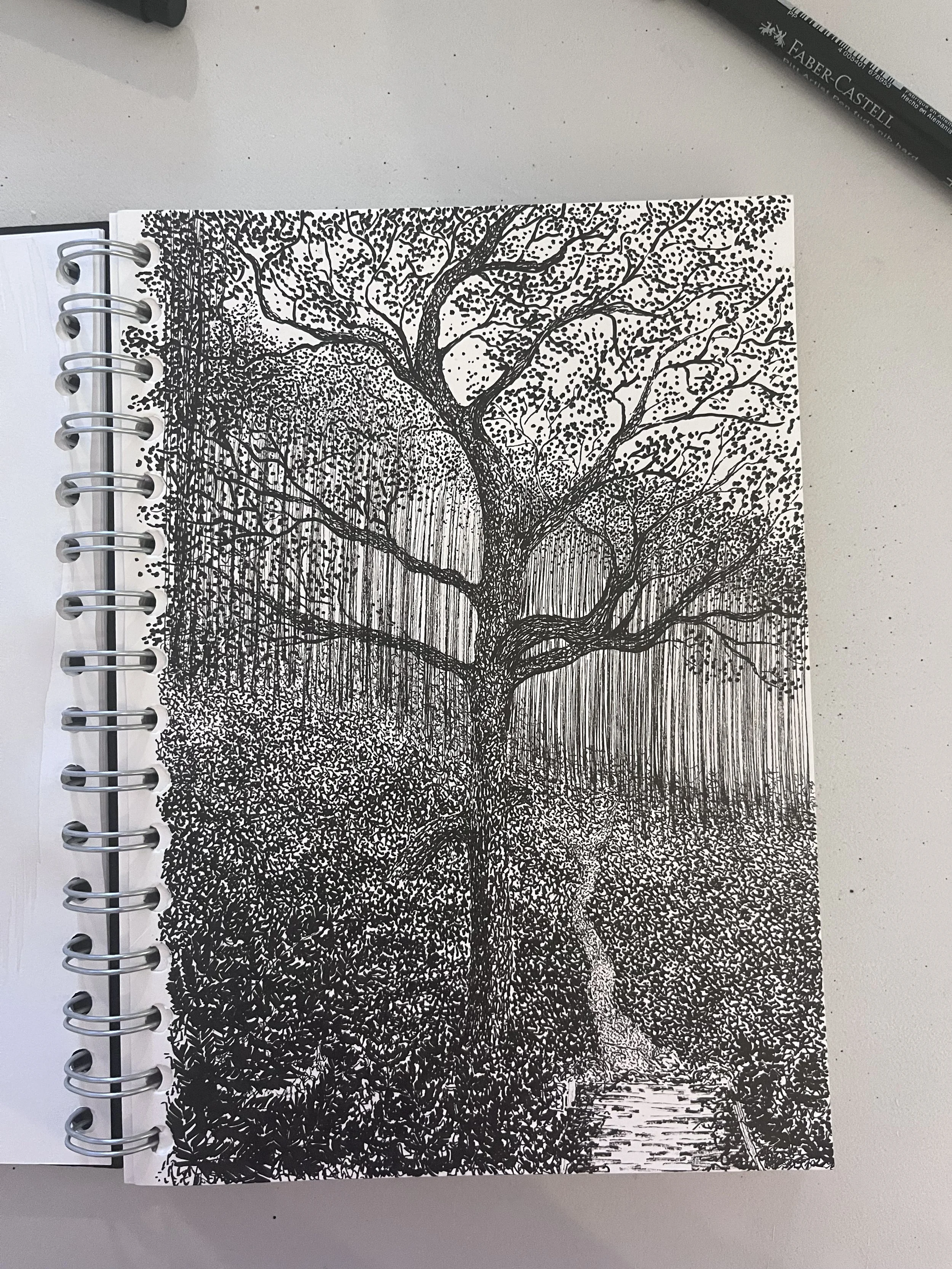
Since the start of the year, I have been trying to make my art practice more accessible to myself, particularly on days when energy is limited. Through developing a regular sketchbook habit and revisiting photographs from Kingussie, I have been exploring layered pen marks as a way of translating the restless, overlapping textures of the Scottish landscape onto the page.
Daredevil Photographer.
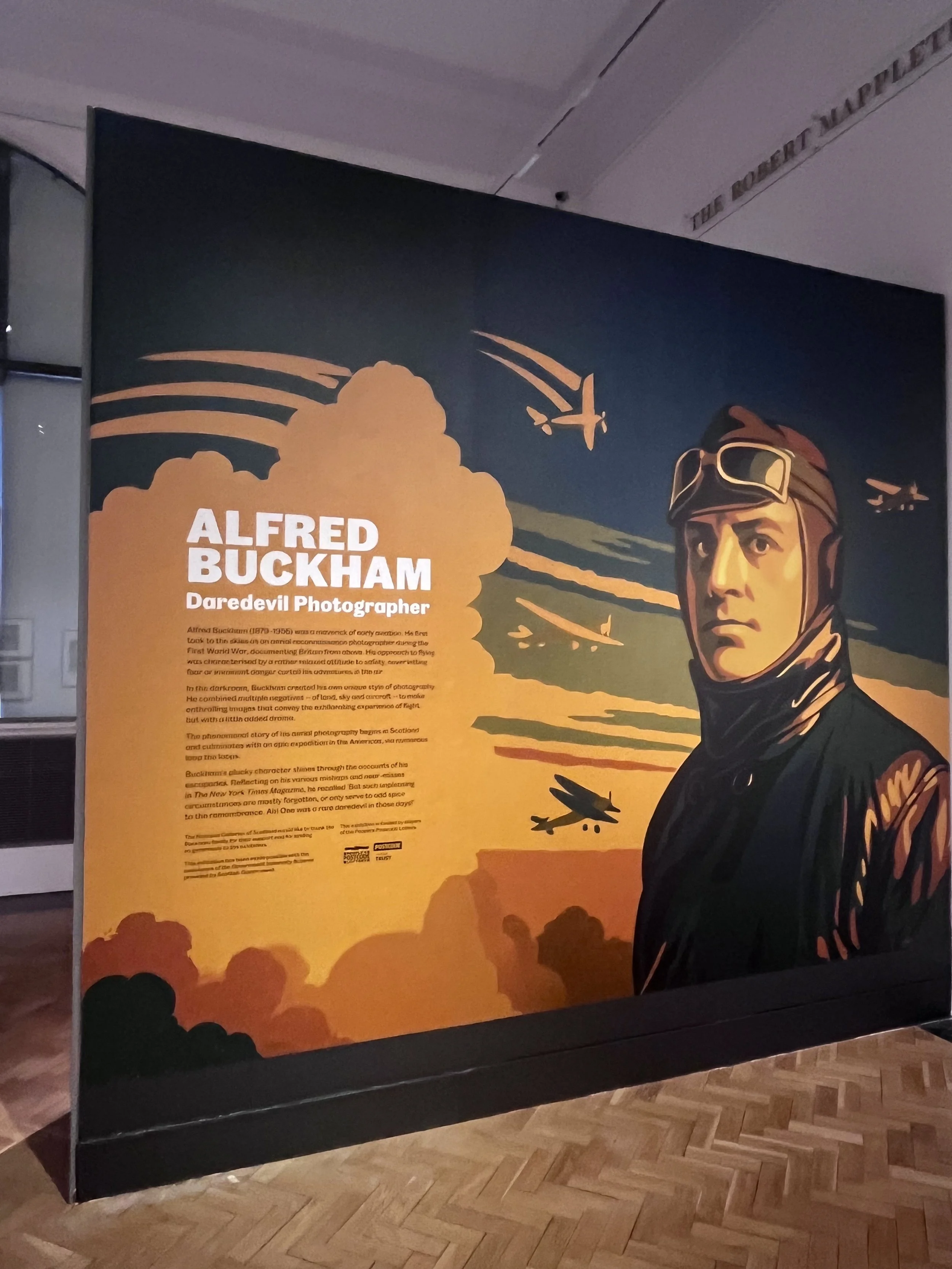
A visit to the Alfred Buckham: Daredevil Photographer exhibition at the Portrait Gallery in Edinburgh, and what his darkroom composites revealed about perseverance, the manual, and what it means to carry a place back with you.
Unit 2 Feedback.
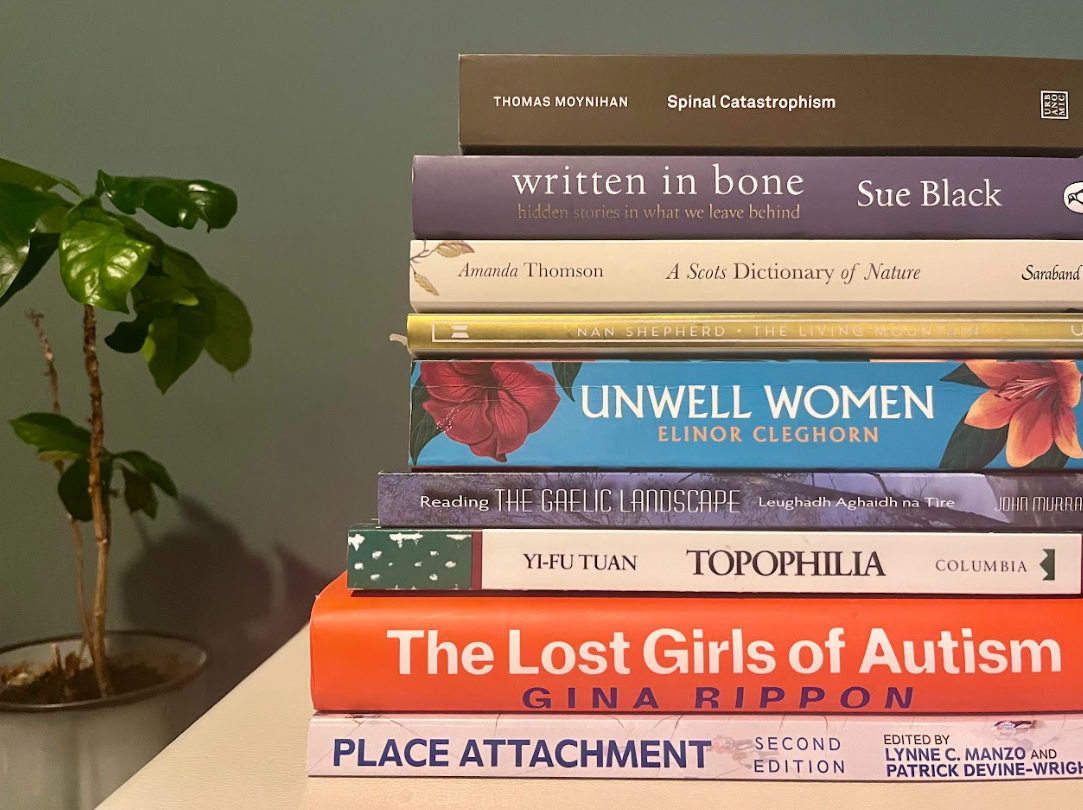
A reflective response to my Unit 2 feedback, considering questions of damage, survival, material resistance, and masking. This post outlines how the course team’s comments are shaping my thinking as I move into Unit 3, holding uncertainty, experimentation, and intention as central to my practice.
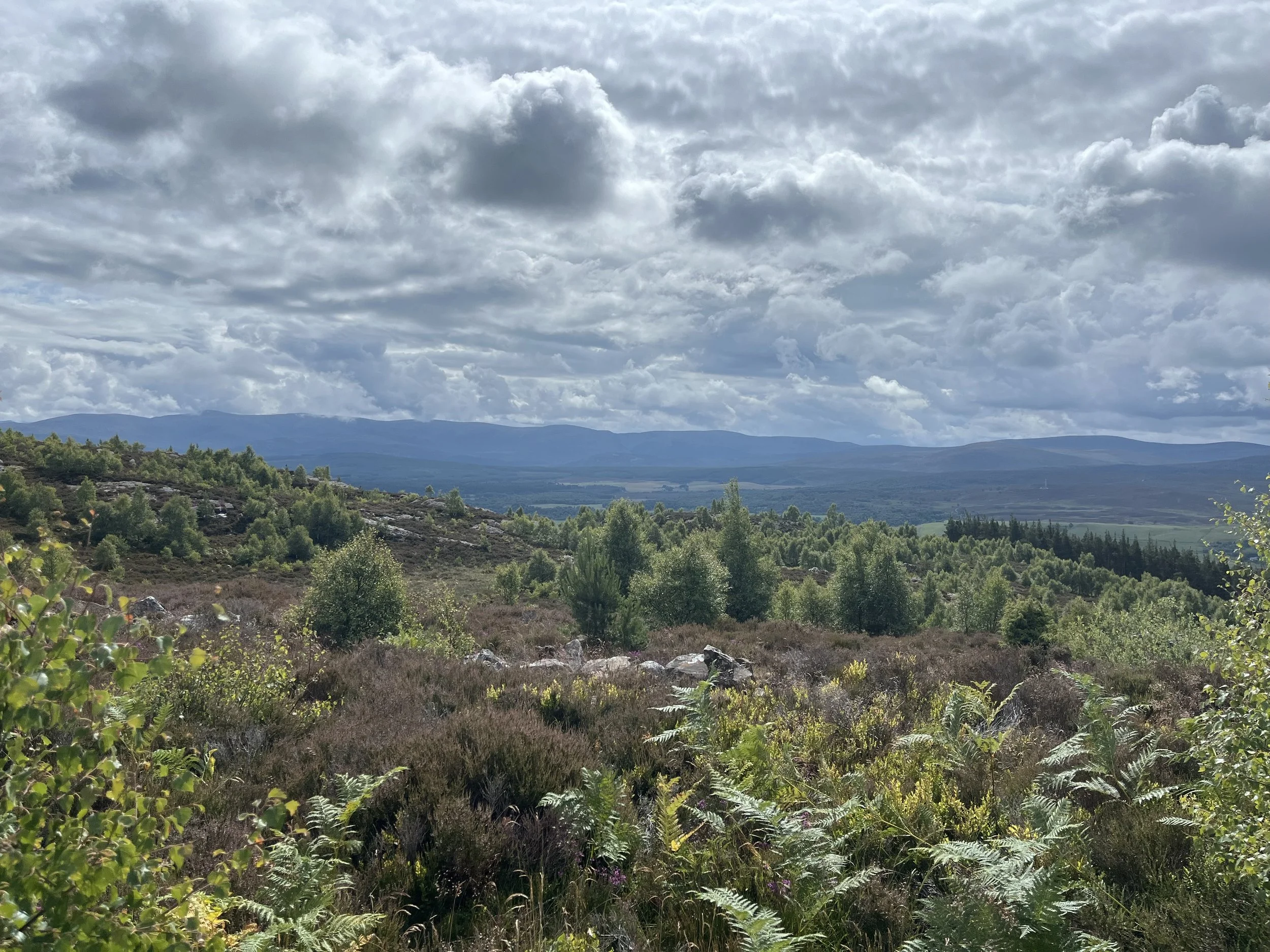
1-2-1 Reflections.
A reflection following a 1-2-1 tutorial during my MA Fine Art, exploring direction, identity, conflict, and the emerging threads shaping my practice. This post considers fragmentation and cohesion, material resistance, and the importance of nature, community, and momentum as I move into the final phase of the course.
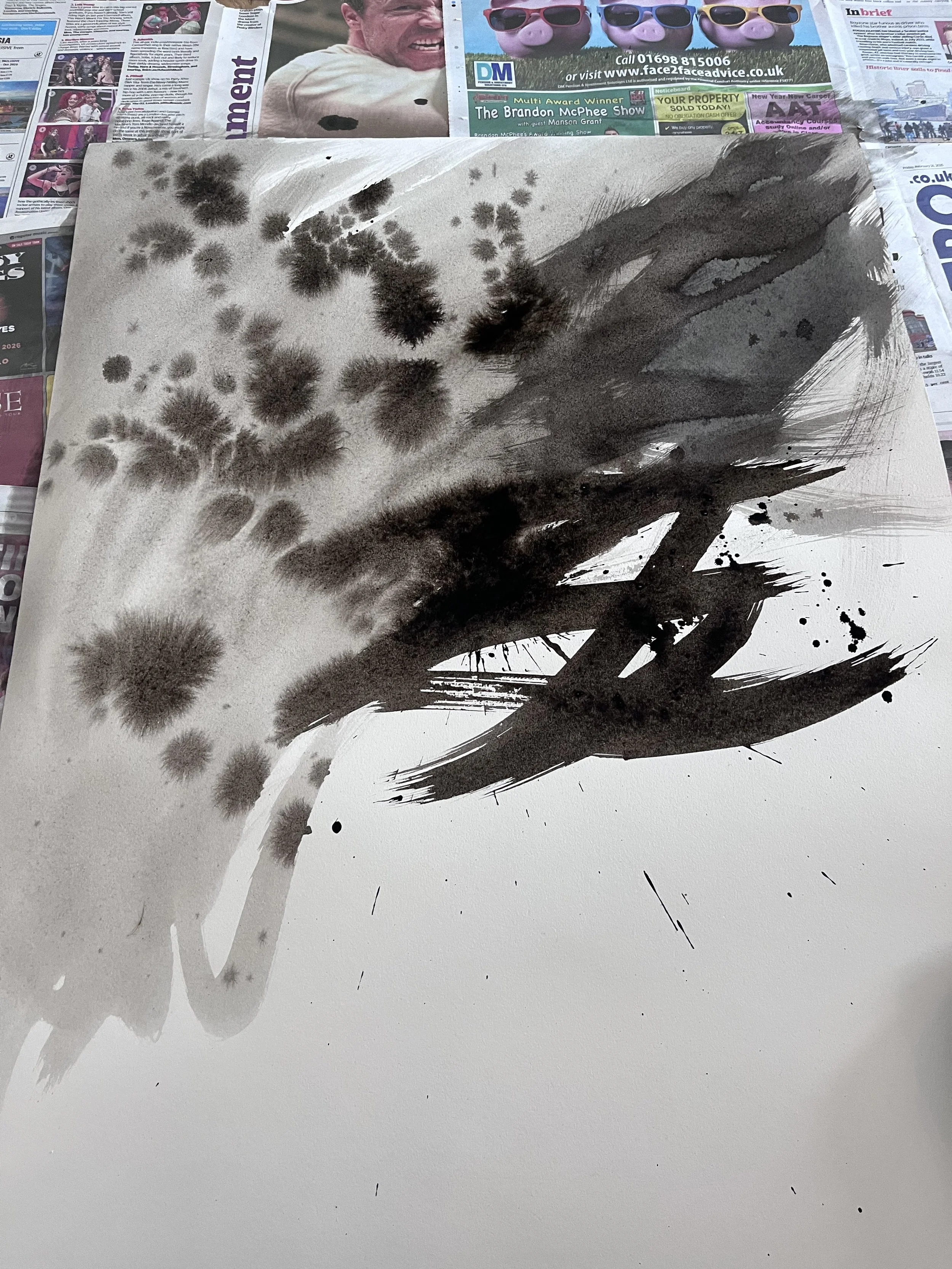
3 Minute Summary Video.
A curated overview of my Unit 2 work, bringing together key developments in my art practice, research, and reflective writing. This page highlights the connections between material exploration, embodiment, landscape, and the evolving ideas shaping my ink-based practice.
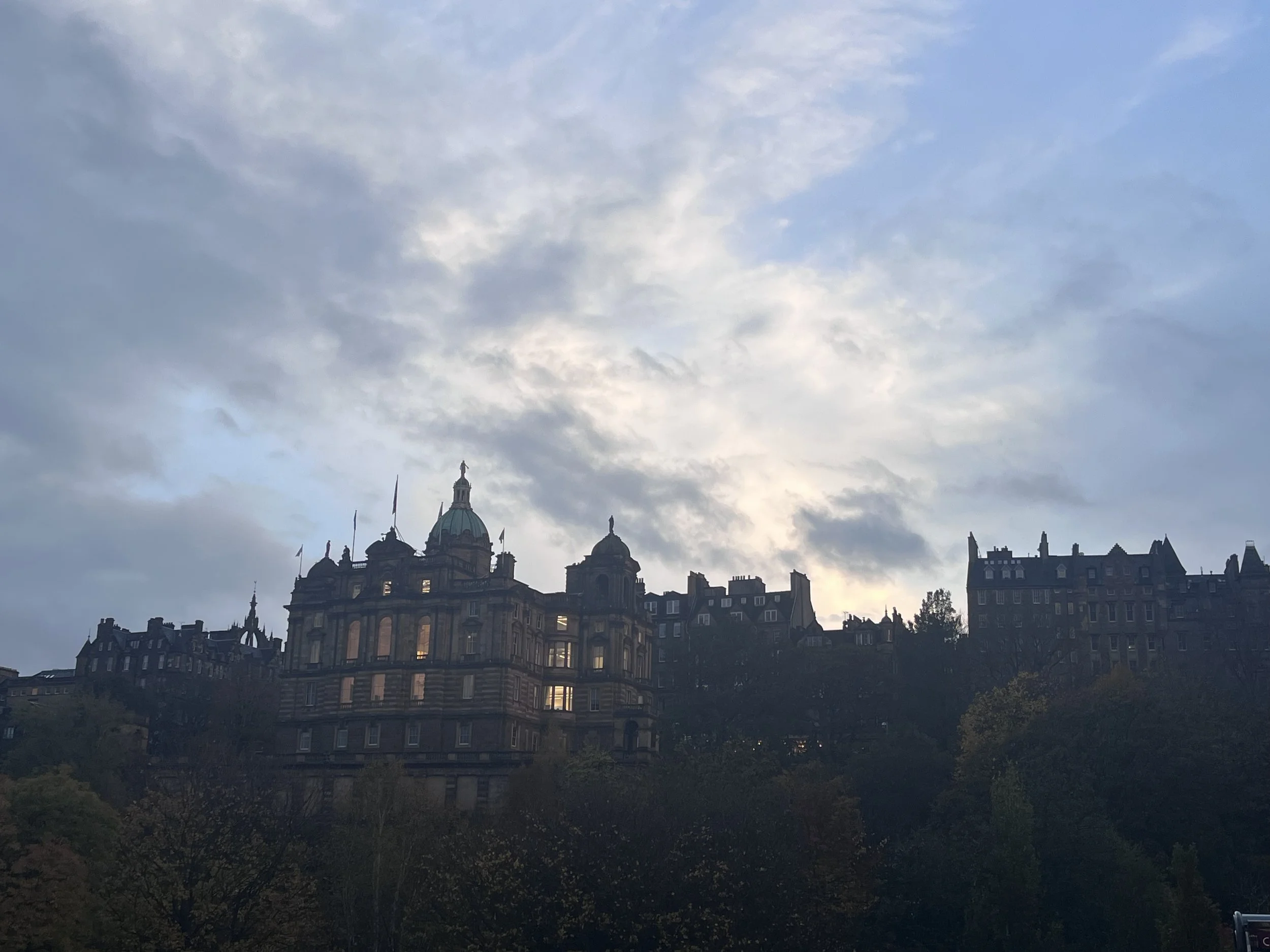
Unit 2 Assessment.
A curated overview of my Unit 2 work, bringing together key developments in my art practice, research, and reflective writing. This page highlights the connections between material exploration, embodiment, landscape, and the evolving ideas shaping my ink-based practice.

Wood Experiments.
In this post, I explore how different preparations of plywood alter the behaviour and atmosphere of ink. By painting the same composition on five boards, each with a different surface treatment, I began to understand how the material beneath a painting carries its own influence. This experiment opened new possibilities for combining wood, fabric and ink to echo the layered textures found in the landscapes that inspire my work.

The Body In Pain.
A reflection on Elaine Scarry’s The Body in Pain and the difficulty of giving voice to experiences that resist language. This article explores how art, ink and landscape can offer an alternative space for expressing pain, and how Scarry’s ideas have shaped the direction of my research into belonging and the body.
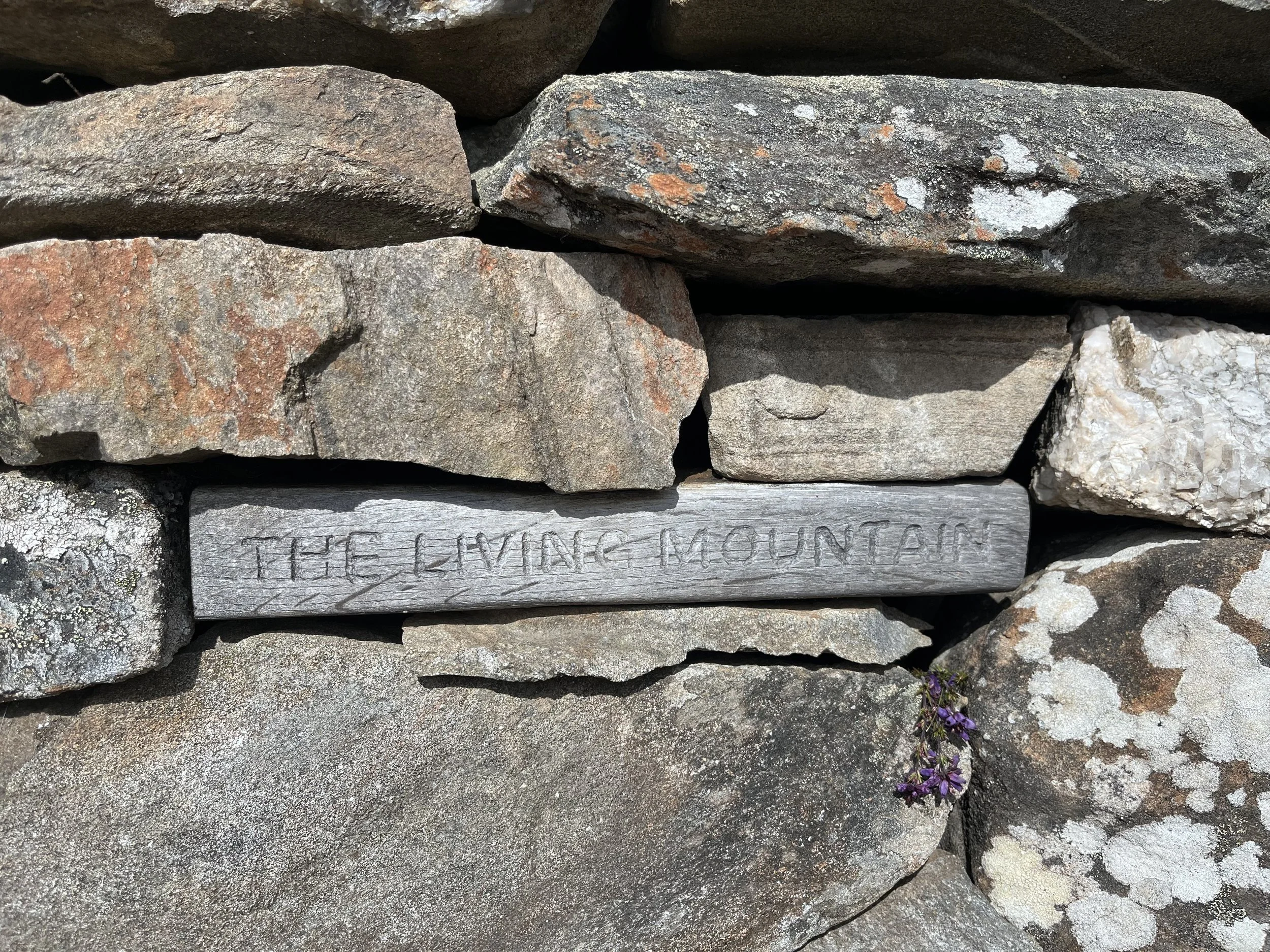
The Living Mountain.
Reading Nan Shepherd’s The Living Mountain deepened my understanding of how landscapes hold memory and shape our inner worlds. This piece reflects on place, belonging and the threads that guide my art practice.
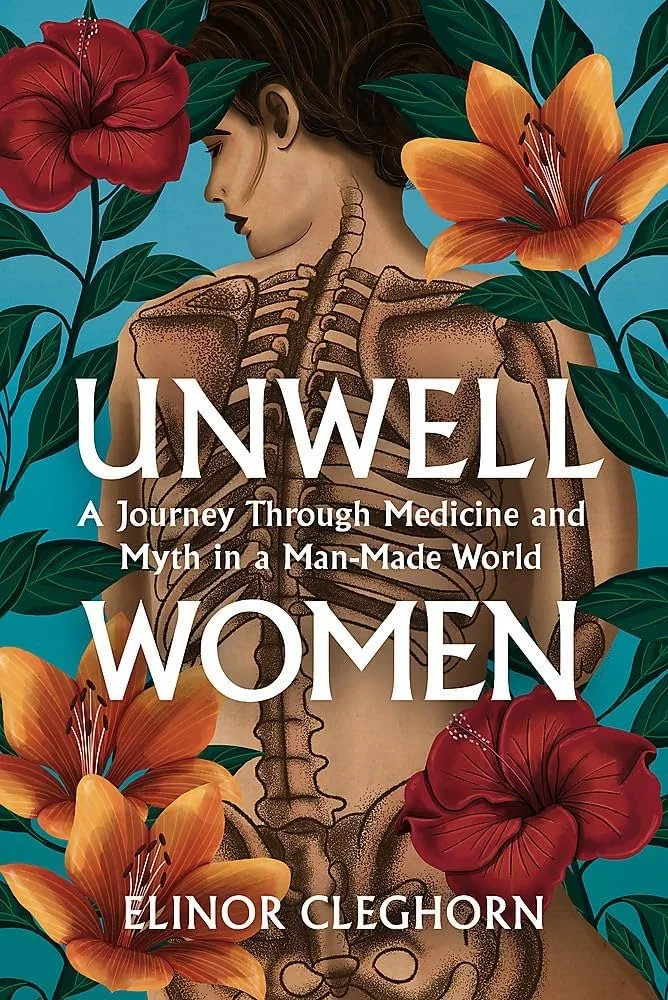
Unwell Women.
A reflection on Unwell Women by Elinor Cleghorn and my own journey of understanding the body. From autism and ADHD screening to the links between fibromyalgia, hypermobility and neurodivergence, this piece explores how the landscape softens these experiences and how ink painting becomes a way of holding the different parts of myself.
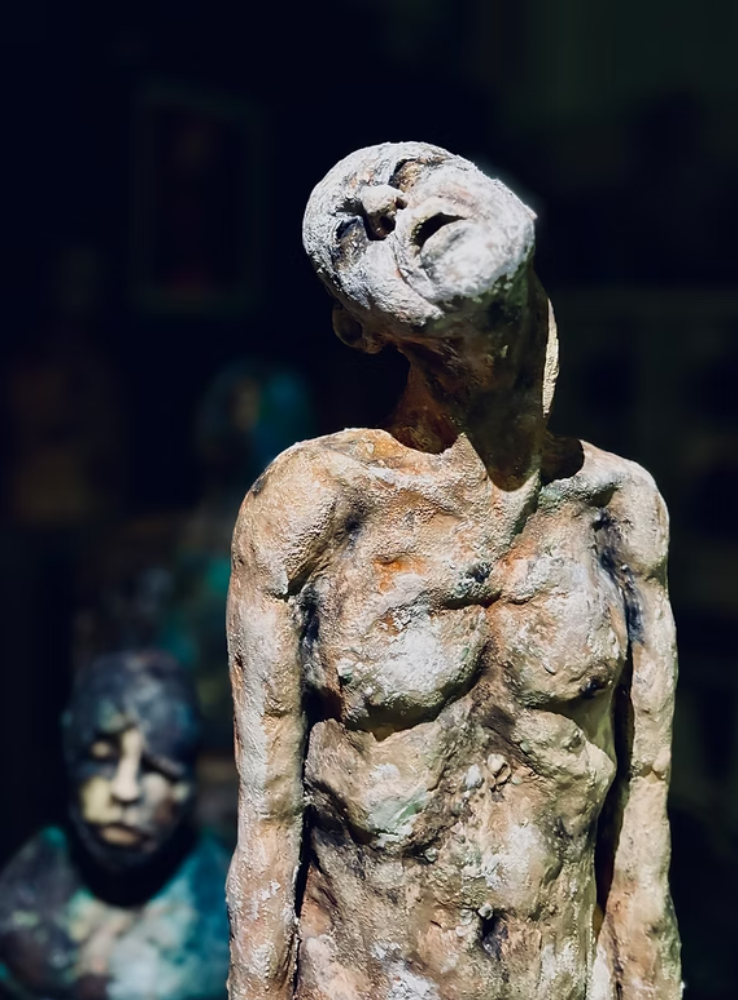
Research Paper.
The experience of chronic pain is often described as beyond the reach of language. This paper examines how art can act as an alternative mode of communication when words fall short. By situating the body within ecological and metaphorical frameworks, it explores how visual and material practices reveal the interconnectedness between endurance, memory, and belonging. Through close readings of works by Giuseppe Penone and Paul and Jason Skellett, the paper argues that art transforms isolation into relation, offering an emotional geography where pain can be seen, shared, and reimagined.
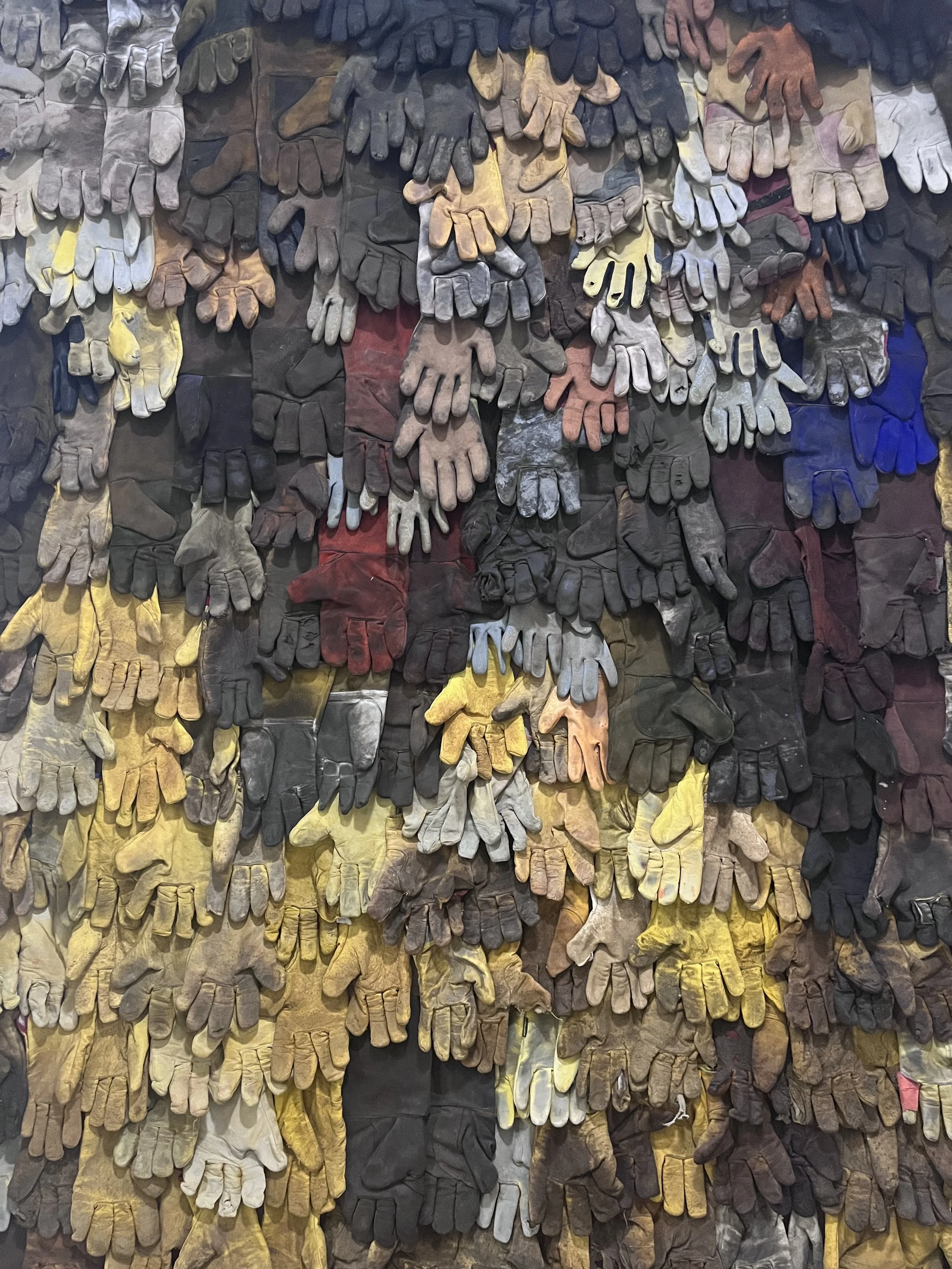
Andy Goldsworthy
A quiet, immersive reflection on Andy Goldsworthy: Fifty Years at the Royal Scottish Academy, exploring atmosphere, scale and the lingering energy of work shaped by land, labour and time. From dimly lit gravestones to charged sculptural forms, this exhibition demanded slowness, attention and presence.
Where Do Ideas Come From?
In this reflective piece, I explore the question of where ideas come from, and how moments of quiet, especially in the early morning, help create space for creativity to flow. As life grows busier and noisier, I’m learning to protect that slower time and stay open to inspiration, much like tuning into the right frequency.
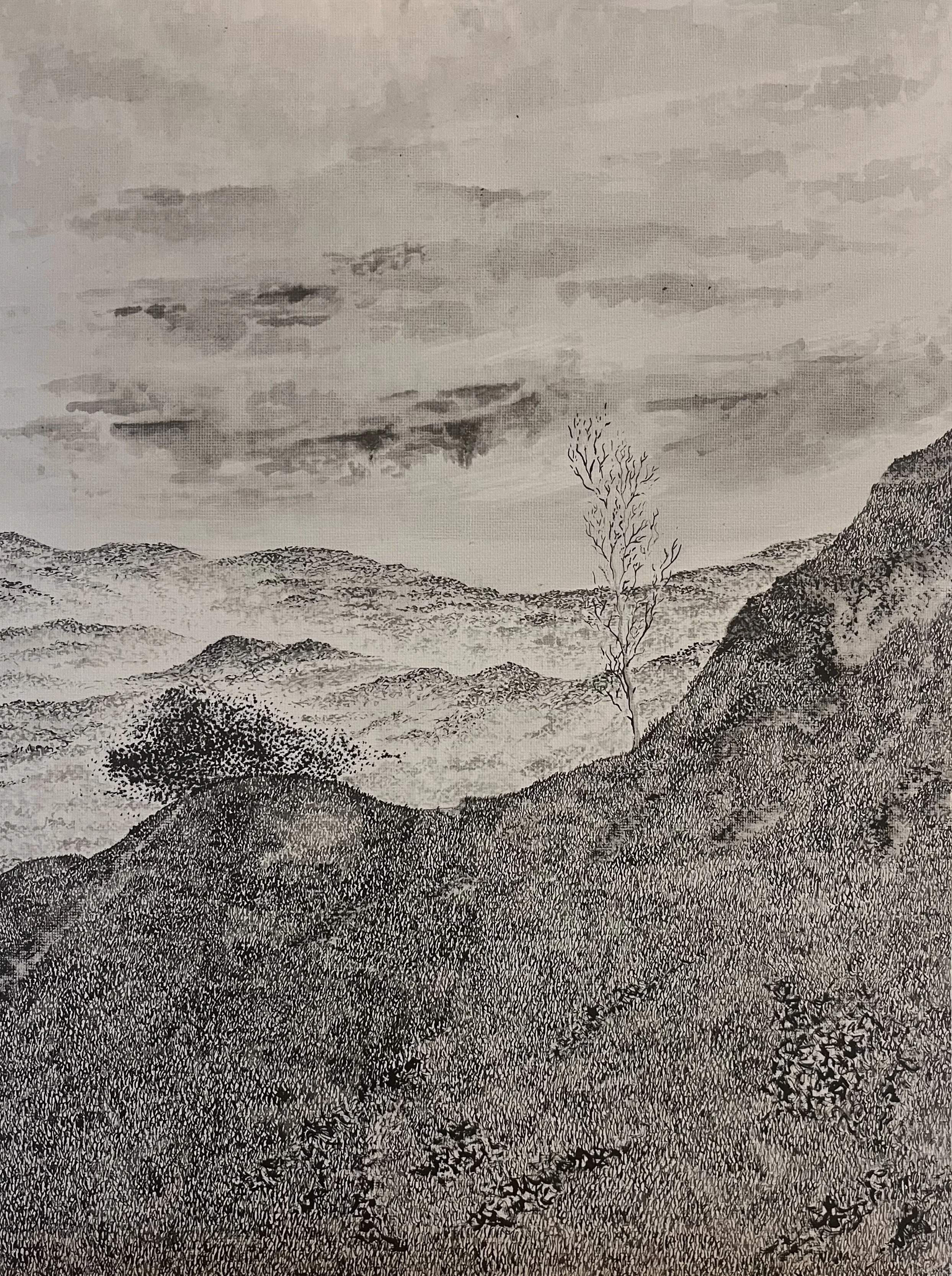
Creag Bheag.
A reflection on a new ink painting inspired by a walk up Creag Bheag with my mum, focusing on the solitary silver birch near the summit and the quiet energy of the landscape. I explore mark making, texture and the emotional pull of place while trying to reconnect with my flow after the research paper.

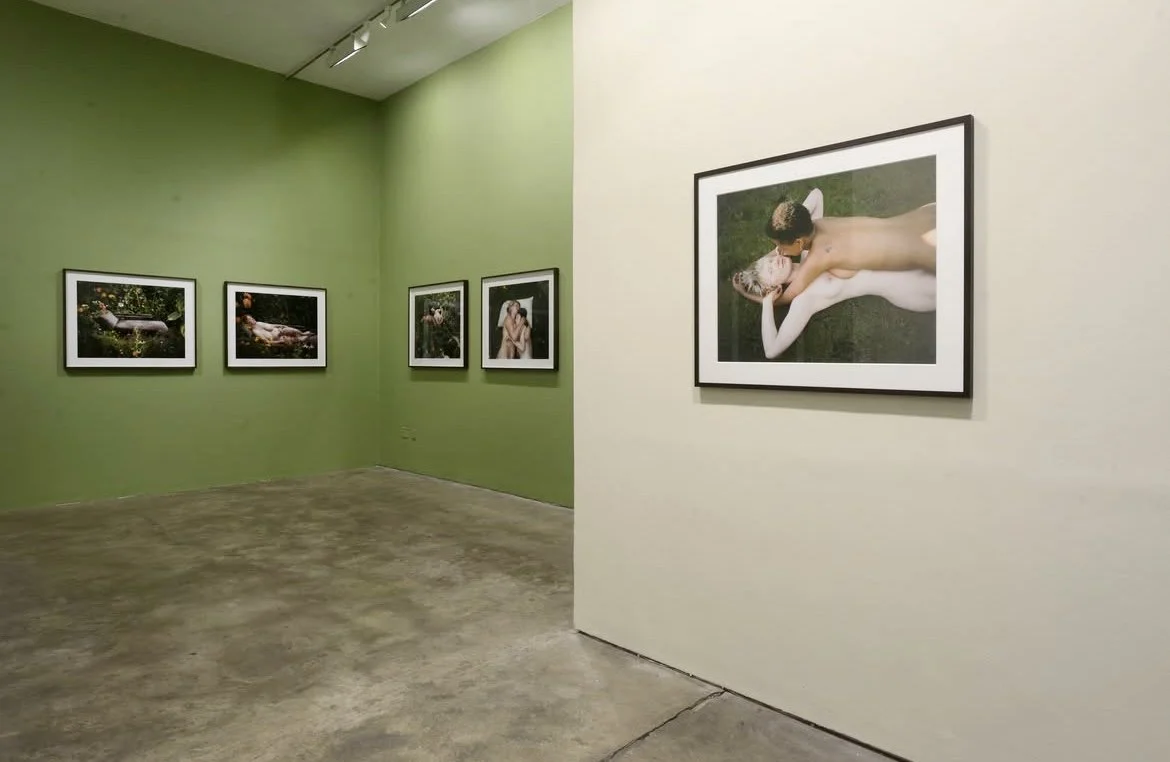
The Garden.
Visiting The Garden at Stills was a welcome pause from the heat and noise of the festival crowds, and the photographs immediately drew me in with their saturated, nostalgic quality. Yet I found myself leaving with more questions than answers about how the garden had been created and how these moments were captured. Spotting familiar plants, like the lupins I have grown from seed and that my mum planted in swathes at our house in Carrbridge, pulled me into my own memories and ideas of belonging.
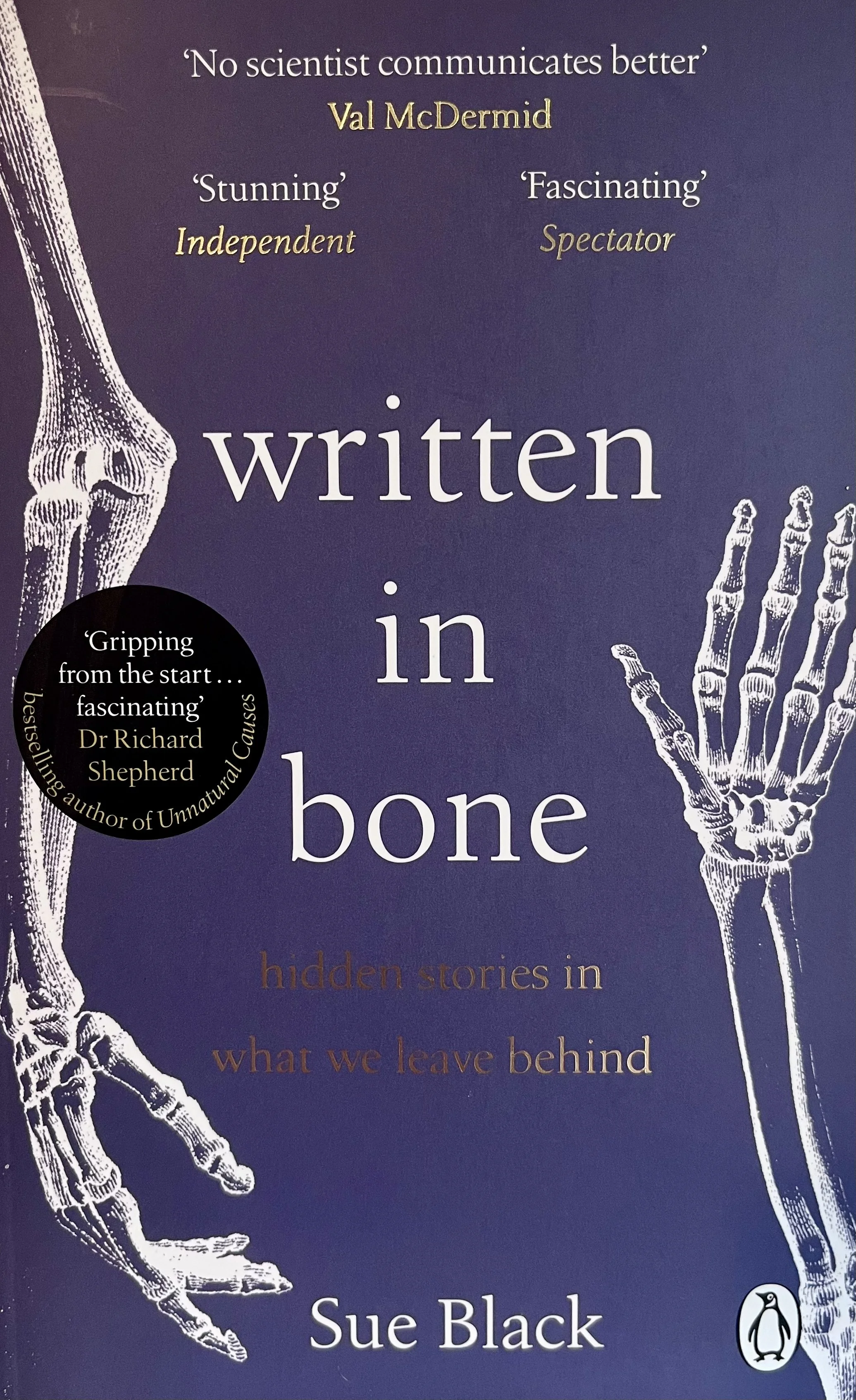
Written in Bone.
In this article, I reflect on Sue Black’s Written in Bone and its parallels with my own practice. From Harris lines to tree rings, the book highlights how both bodies and landscapes bear silent records of memory, disruption and belonging.

The Lost Girls of Autism.
A personal response to The Lost Girls of Autism by Gina Rippon, reflecting on masking, late recognition, mental health, and how these experiences shape my art and research into belonging, identity, and memory.