Narratives in Art.
Narratives in Art is a living archive of my practice, a space to document, process, and think out loud. Posts might follow a new work, a small observation, an exhibition, or a question I can't yet answer. There is no fixed agenda here, only an ongoing record of how the work develops, where it leads, and what it is slowly becoming.
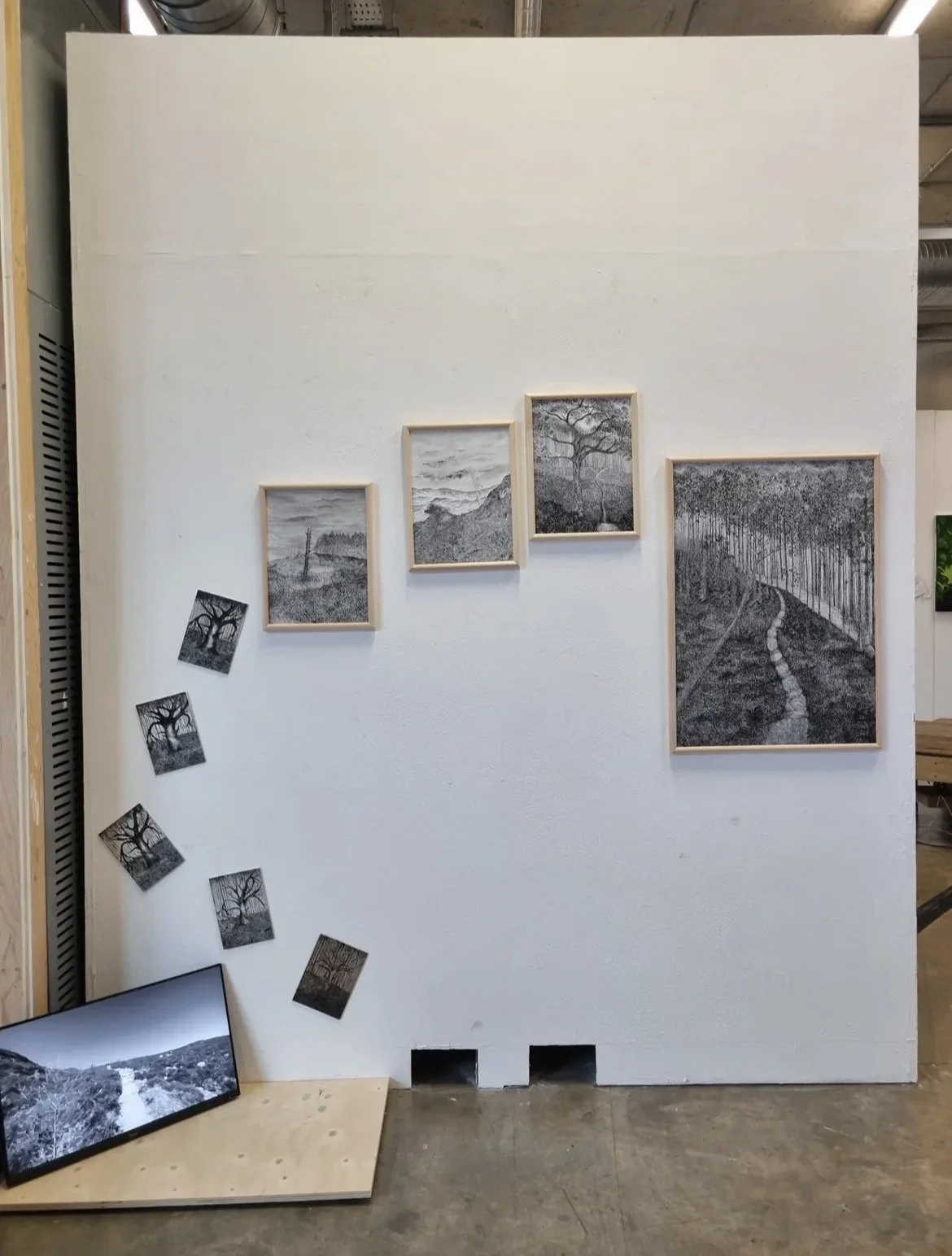
Understory.
A spiral of five works exploring masking, place, and belonging, from a burnt and foggy landscape to a path leading into the forest.
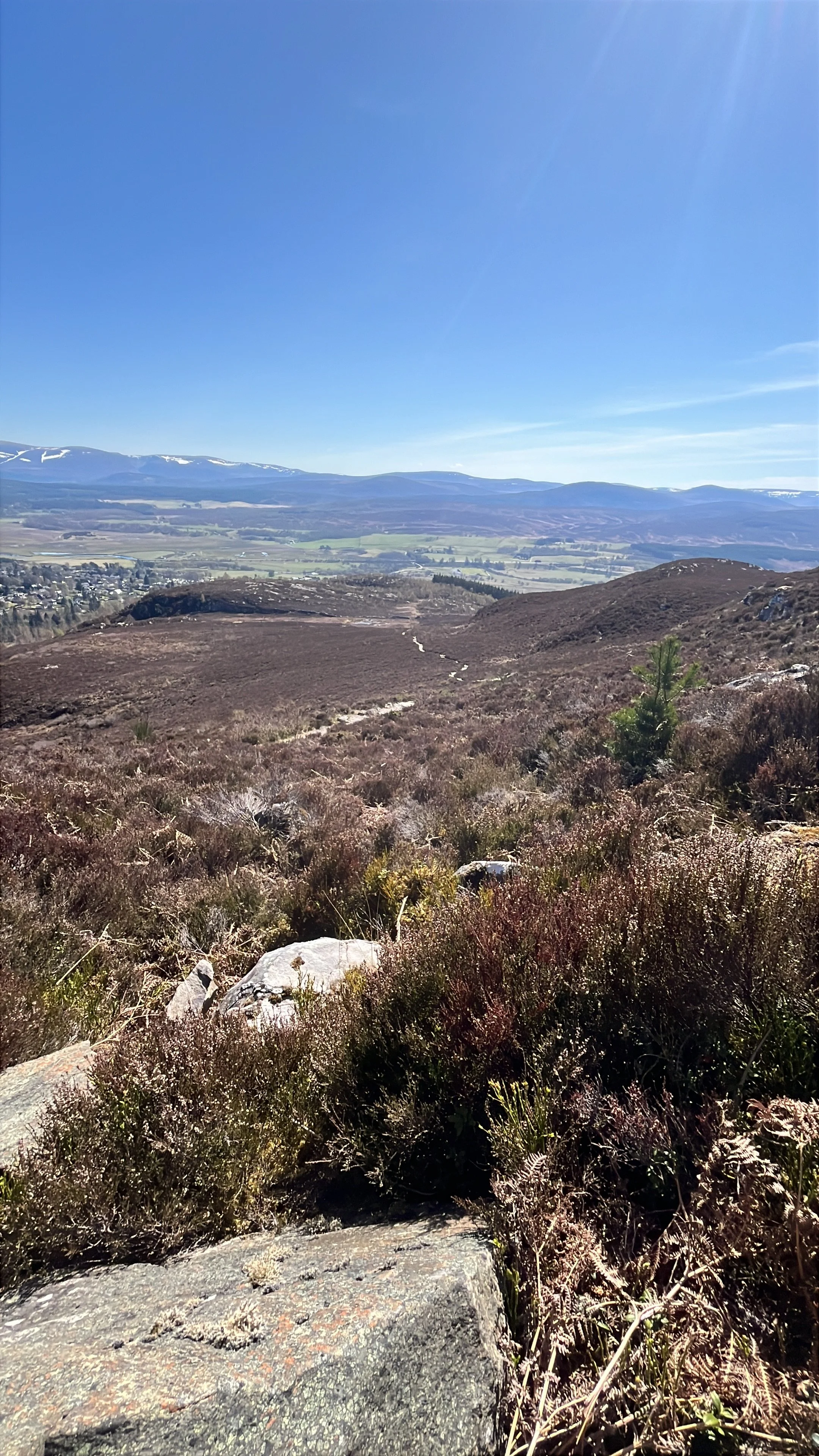
Unit 3 Assessment.
Unit 3 brought together two years of inquiry into landscape, embodiment, neurodivergence, and chronic pain into what finally feels like a coherent body of work. This page curates the research, reflective writing, and practice-based work from the final unit of my MA Fine Art Digital at Central Saint Martins, mapped against the three learning outcomes for assessment.
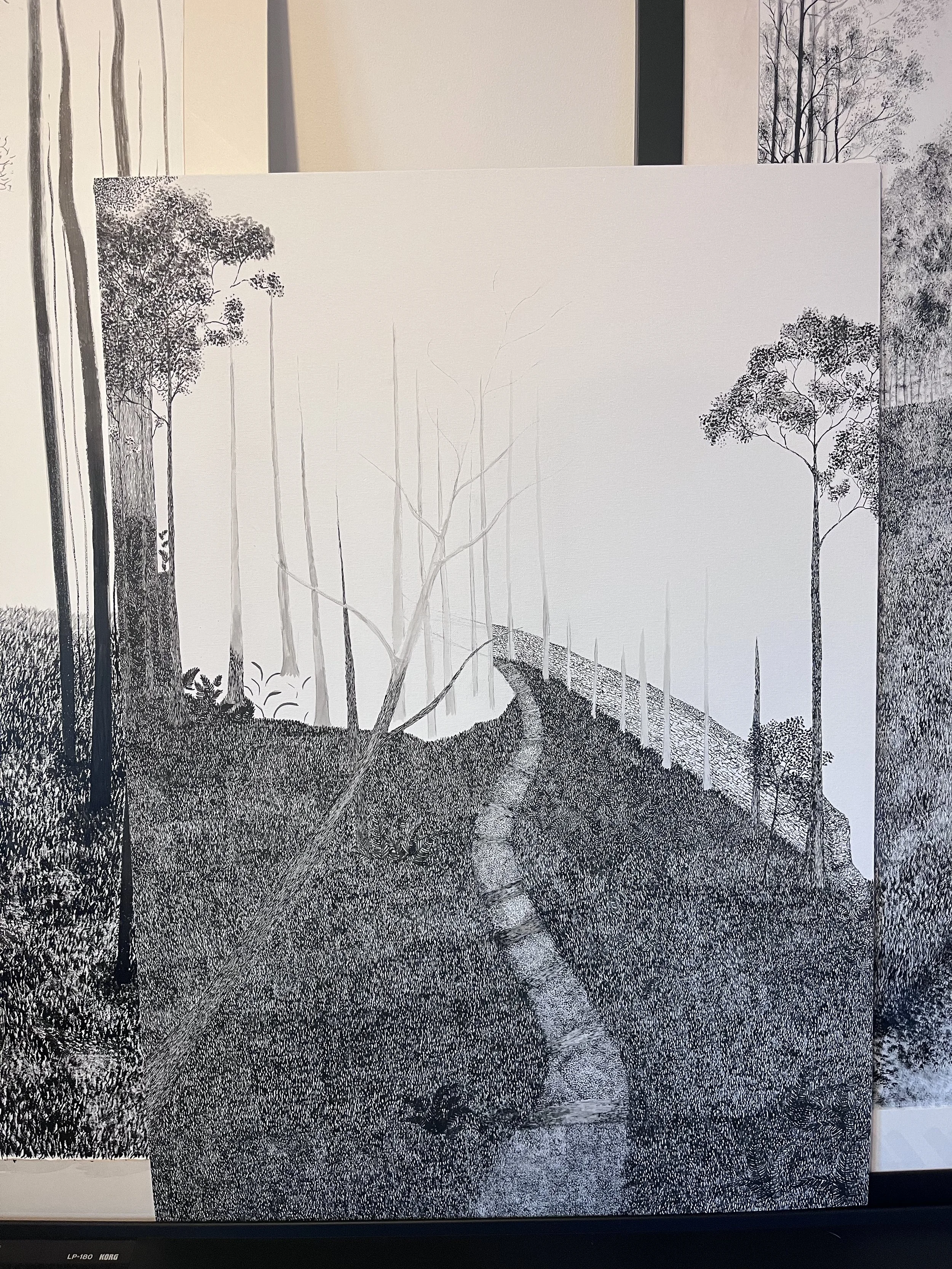
A1 Painting Series.
For the CSM final show at the beginning of July, I am working on a series of paintings at A1, challenging myself to translate some of my smaller sketches and ideas onto a larger canvas board, and in doing so, drawing together so much of what I have been experiencing and exploring throughout this course.
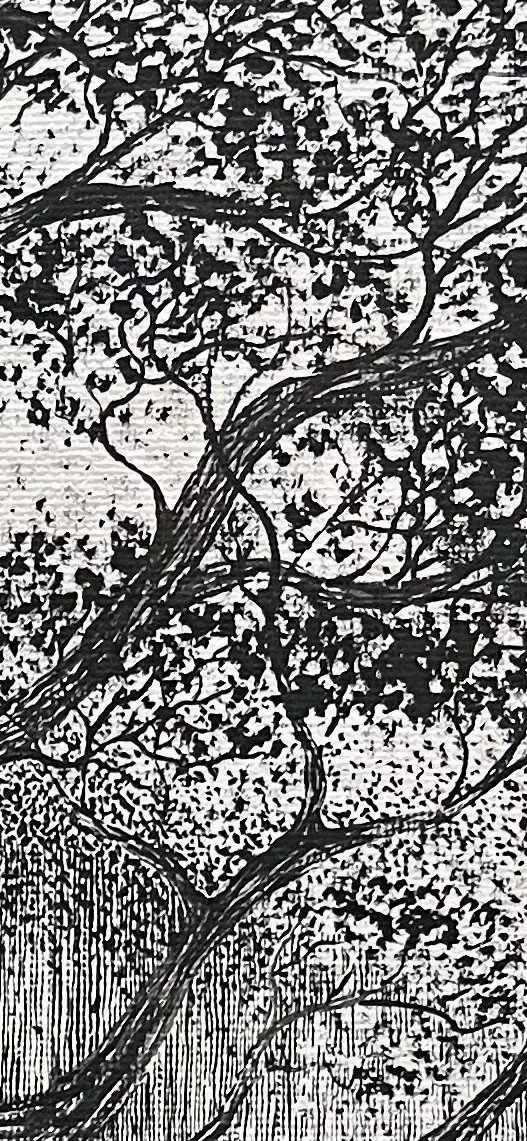
Revisiting the Unit 2 To Do List.
When Jonathan reflected that the to do list I had drawn up after Unit 2 was enough to sustain a lifetime of practice, he was not wrong. This post is an honest account of what I have actually followed up on during Unit 3, what has developed in unexpected directions, and what I have consciously set aside as I move towards the end of the MA and begin thinking about what comes next.
Draft PhD Research Proposal.
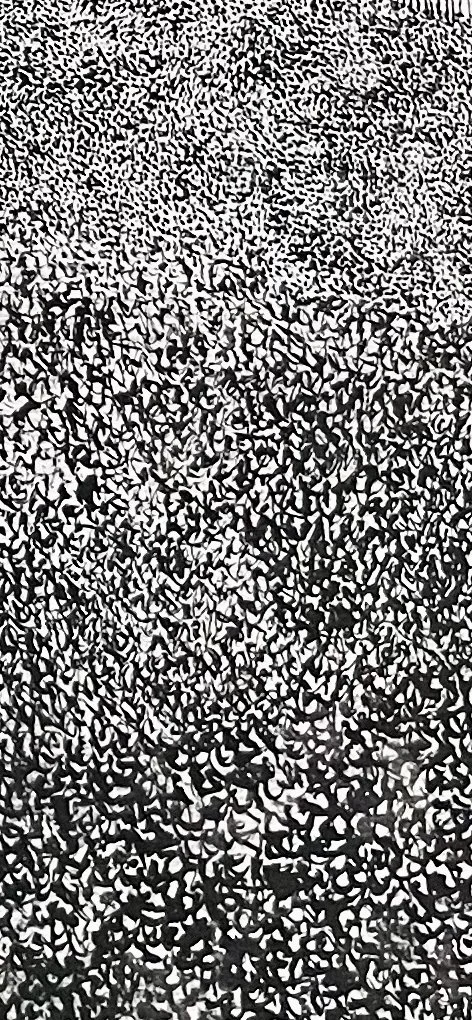
Dùthchas is a Gaelic word that carries more meaning than most English words can hold: the place of your birth, hereditary belonging, the idea that people belong to places rather than places belonging to people. This post shares my draft proposal for a practice-based PhD, written as part of my Unit 3 assessment.

Thinking About Installation and a Solo Show.
Over the course of this final unit I have been thinking more carefully about how I might want to present and install my work, and what it might mean to bring it into contact with an audience beyond the course. This post explores ideas for a solo show, including an experiment with splitting audiences between labelled and unlabelled experiences of the work, and the possibility of creating an immersive space that brings the sounds and landscapes of Kingussie into the room.
Mycoaesthetics.
Following my reading of Anna Tsing and a suggestion from Jonathan, I have been reading up on the idea of mycoaesthetics and what it means for a practice rooted in landscape, place, and the body.
Natural Dyes and the Marigold Cycle.
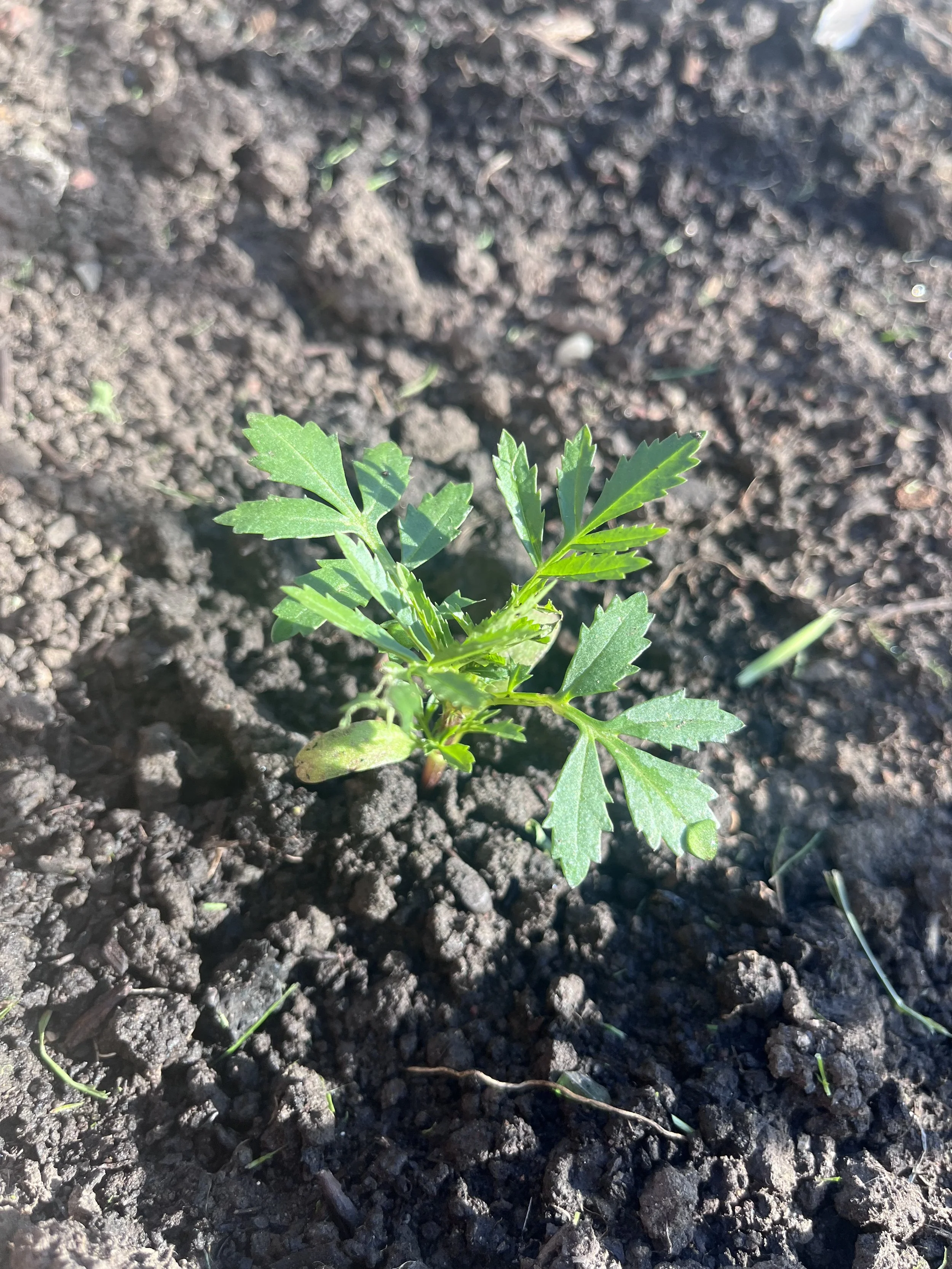
While researching natural dyes following the Unit 2 feedback, I discovered that the marigolds we grow every year in our garden could also be used to make painting ink. This post reflects on what that discovery opened up, the relationship between gardening and making, and what it might mean to slow the practice down to work with the rhythms of a growing season rather than against them.
5 Minute Summary Video.
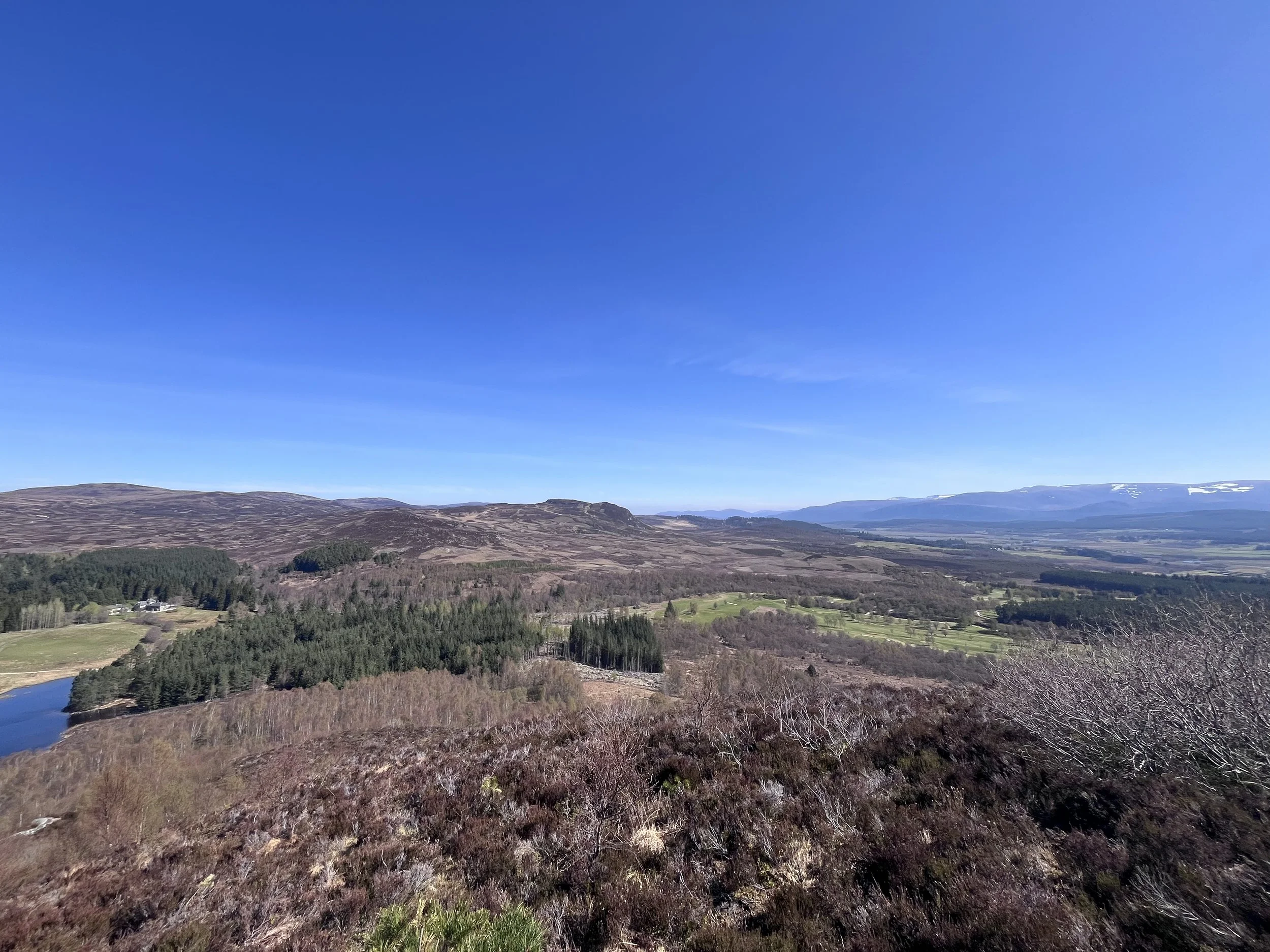
A five minute video made for my Unit 3 assessment, filmed in the landscapes of Kingussie that have shaped so much of my practice. Part reflection, part resolution — two years of research, making, and gradual self-understanding, brought back to the place where much of it began.
Photographing in Place.
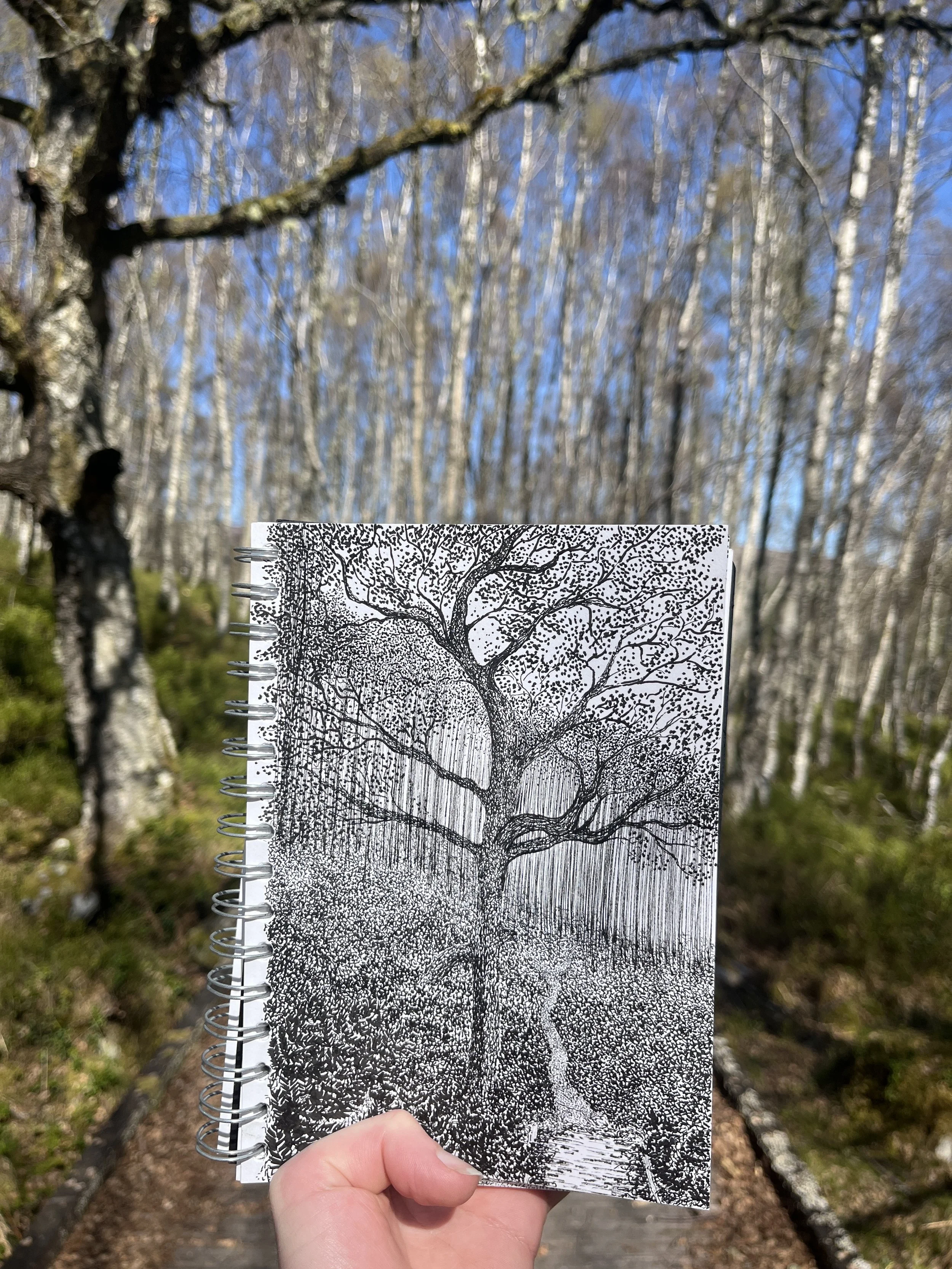
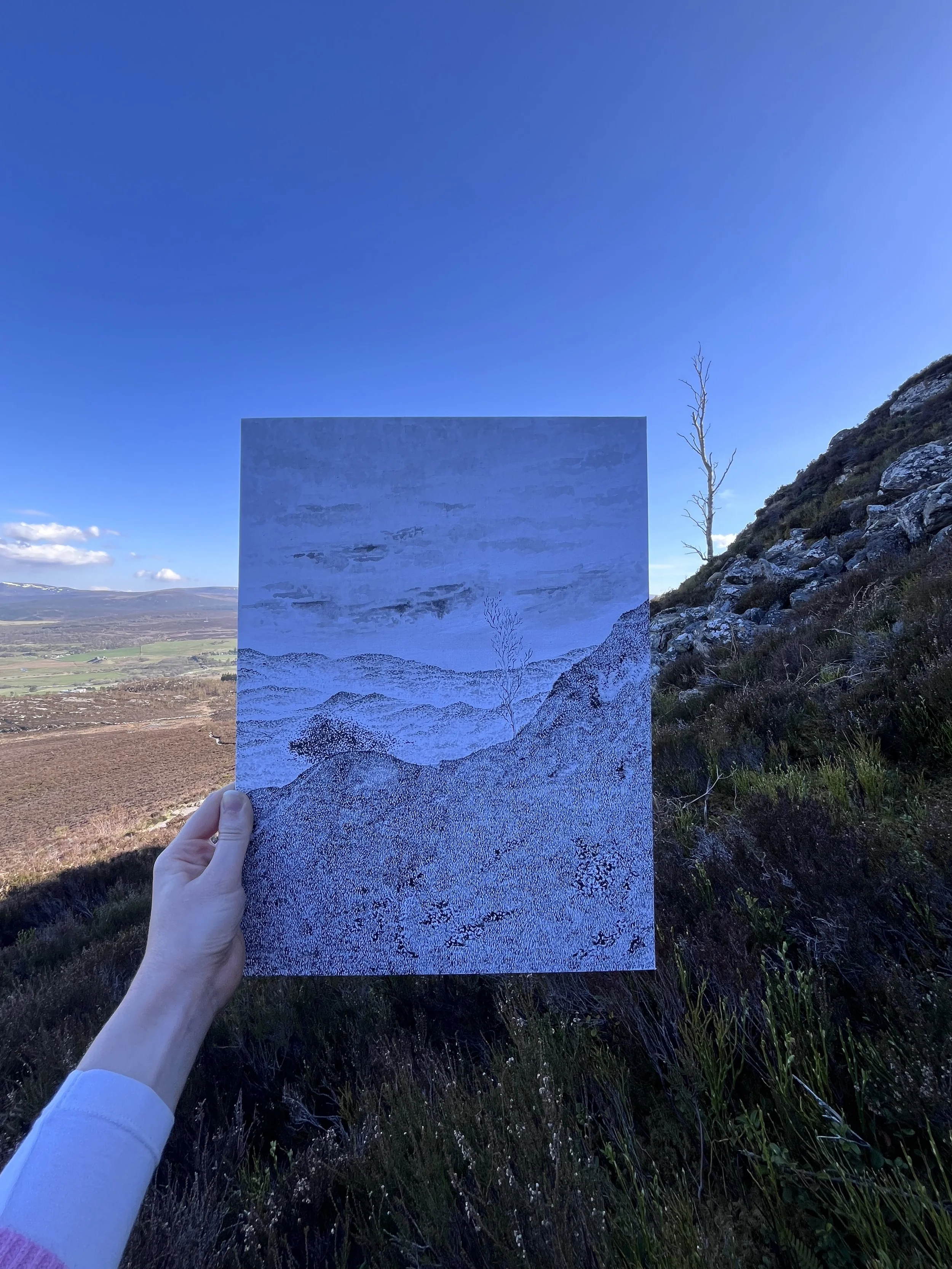
The last weekend in April, my mum and I headed back to Kingussie to revisit the places that have inspired a lot of the recent work in my sketchbooks and paintings. The primary purpose of the trip was to film POV footage for the Unit 3 video, but I also brought two paintings with me to photograph in the landscapes that inspired them, and the experience of seeing them there changed how I understood both the work and the place.
Kingussie Trip.
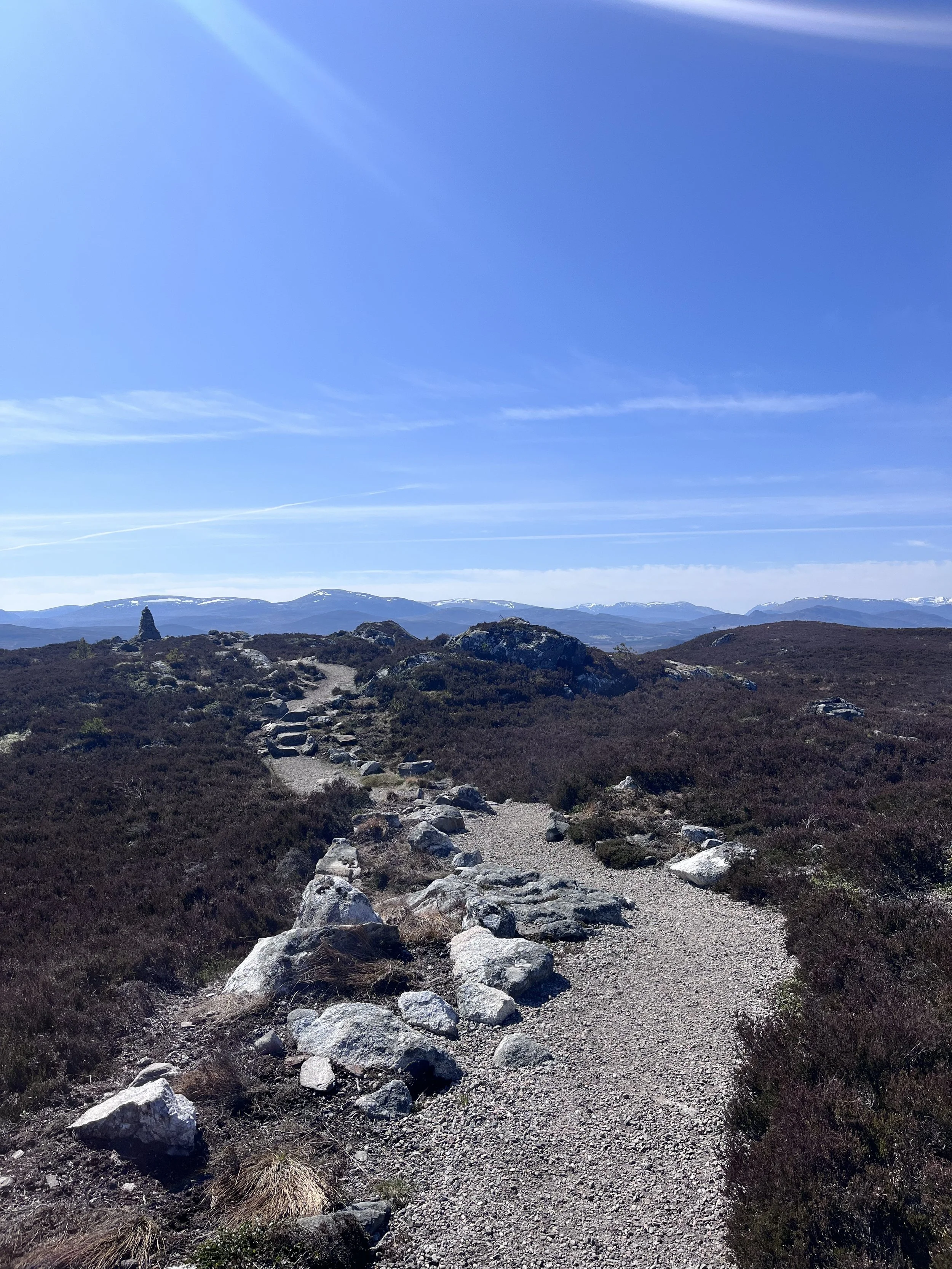
The last weekend in April, my mum and I headed back to Kingussie to revisit the places that have inspired a lot of the recent work in my sketchbooks and paintings. The primary purpose of the trip was to film POV footage for the Unit 3 video, but I also brought two paintings with me to photograph in the landscapes that inspired them, and the experience of seeing them there changed how I understood both the work and the place.
1-2-1 Reflections.
I had my 1-2-1 tutorial with Jonathan on the 27th of April, following my trip to Kingussie and ahead of the Unit 3 video and curated blog deadlines. We covered a lot of ground, from video footage and audio challenges to new research directions, end of year show planning and next steps for my PhD proposal.
The Renoir Girls.
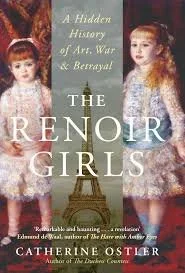
On the 21st of April a friend and I went along to a book talk at the Royal Scots Club, organised by Toppings, about Catherine Ostler's The Renoir Girls. A book about a single Renoir painting, the Jewish family it depicted, and the devastating distance between that moment of Belle Époque glamour and what came after.
Reclaimed Canvases Project.
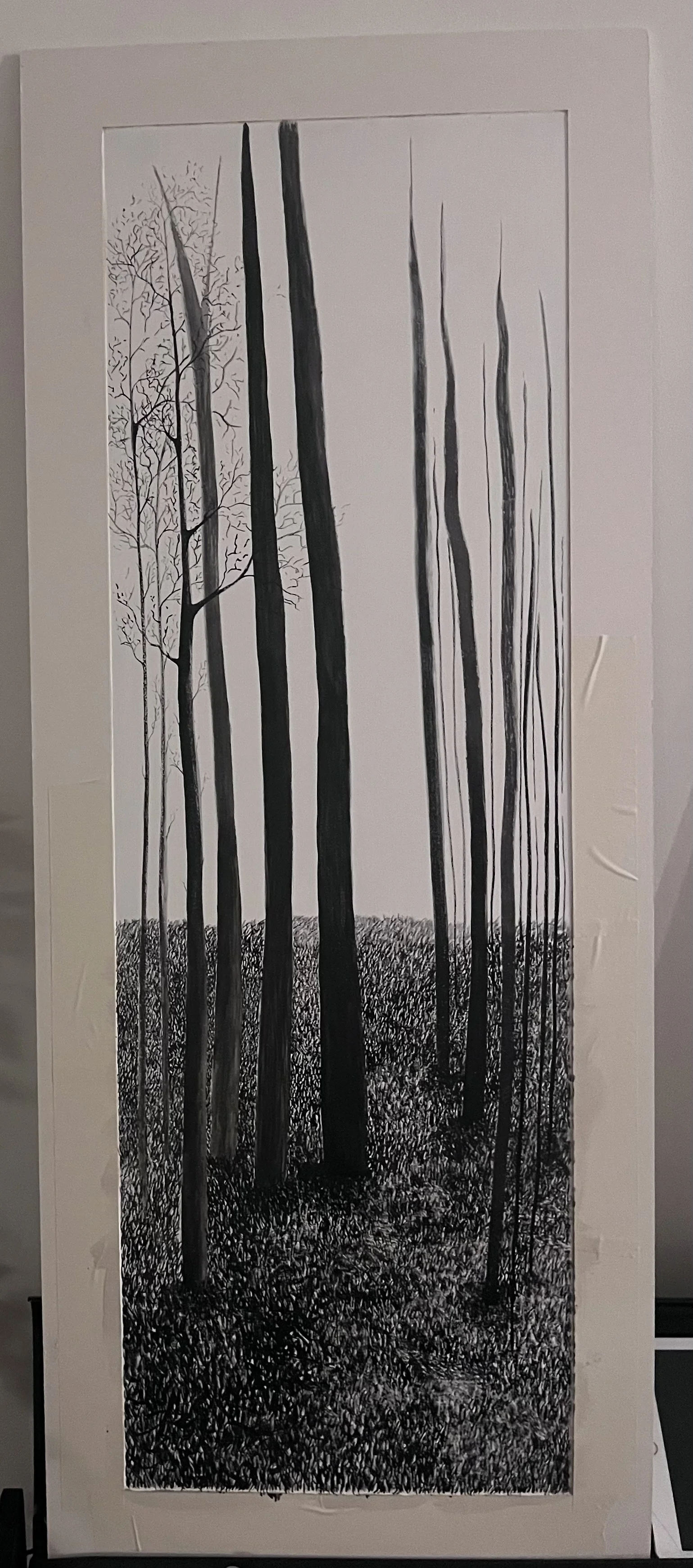
Continuing my reclaimed canvases project, I reflect on painting from instinct for the first time, the slow dialogue between me and the canvas, and how working with found materials connects to the themes of concealment, ecology, and neurodivergent identity that run through my practice.
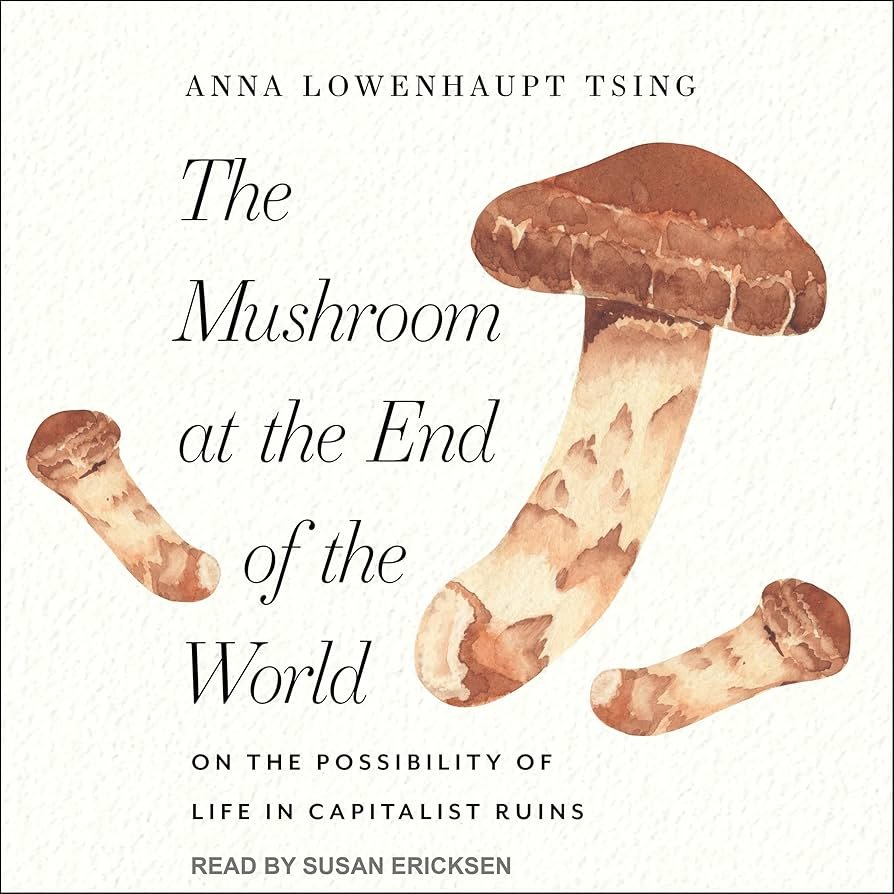
The Mushroom at the End of the World.
A reflection on Anna Tsing's The Mushroom at the End of the World, exploring how her ideas of assemblage, collaborative survival, and patchy time connect to my ink practice, my relationship with materials, and what it means to grow at your own pace.
Richard Long & Hamish Fulton.
As I prepare for my return trip to Kingussie, I have been thinking about two artists whose practices feel increasingly relevant to the direction my work is taking: Richard Long and Hamish Fulton. Both have spent decades making work that centres on the relationship between the body, walking, and landscape, and the questions they ask feel very close to the ones I find myself sitting with right now.
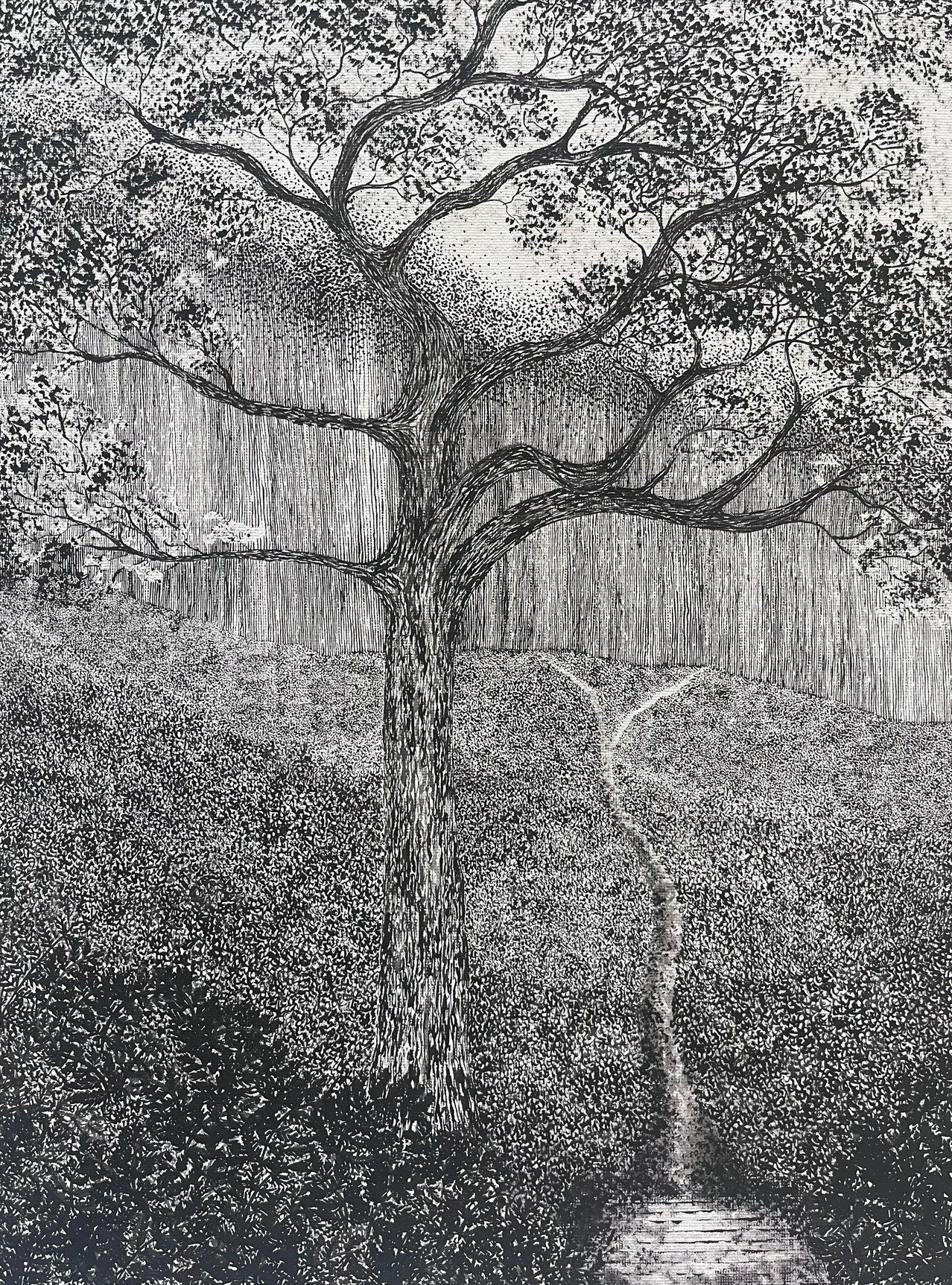
“Gynack”.
Gynack is the first painting I completed following my autism and ADHD diagnosis, and it marks a shift in my practice. Working with abstract mark making inspired by the Scottish Highlands, this post reflects on what it means to let the body lead, to trust instinct over analysis, and to find in landscape a language for experiences that are otherwise difficult to reach.
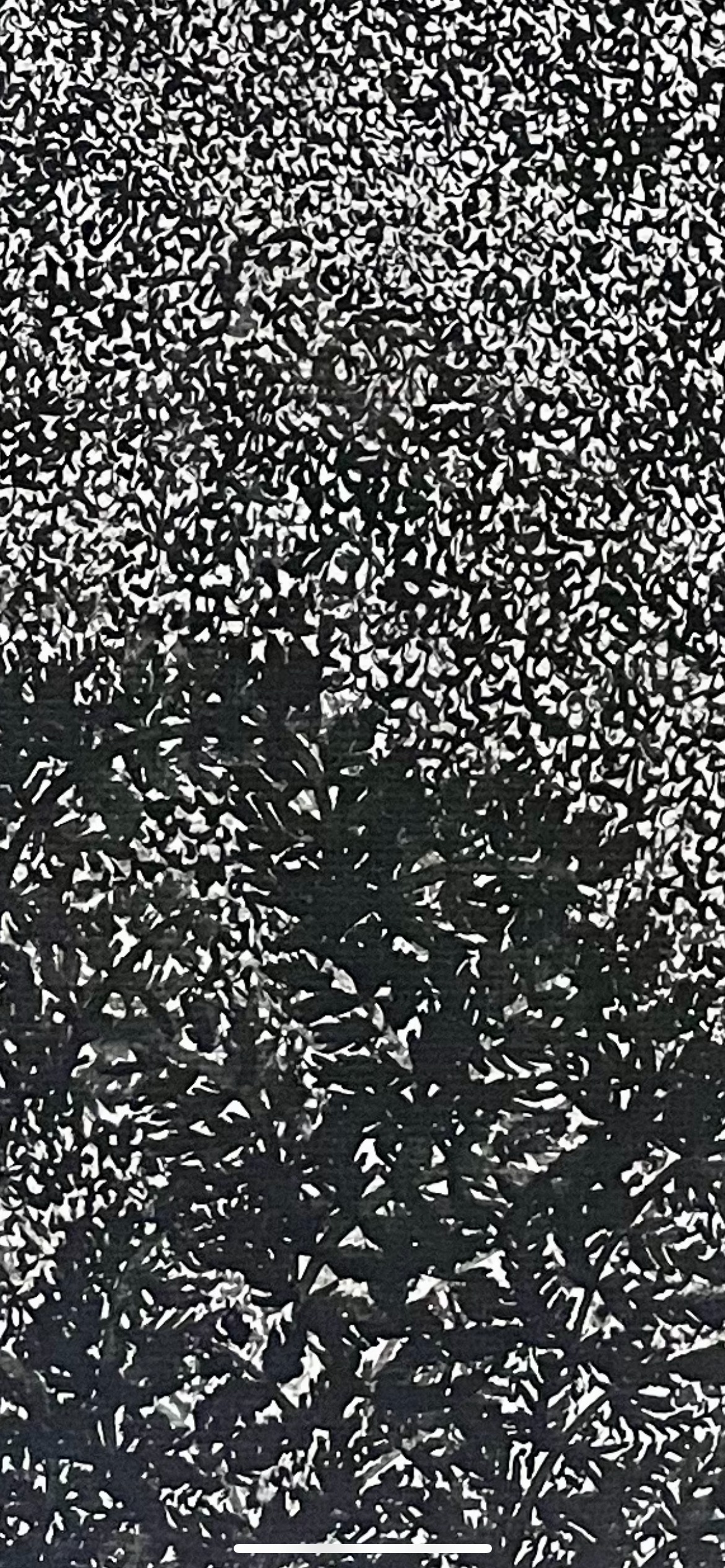
Art & Alexithymia.
A reflection on the relationship between art and alexithymia, exploring how creative practice may act as a space where emotions are processed and discovered rather than directly expressed.
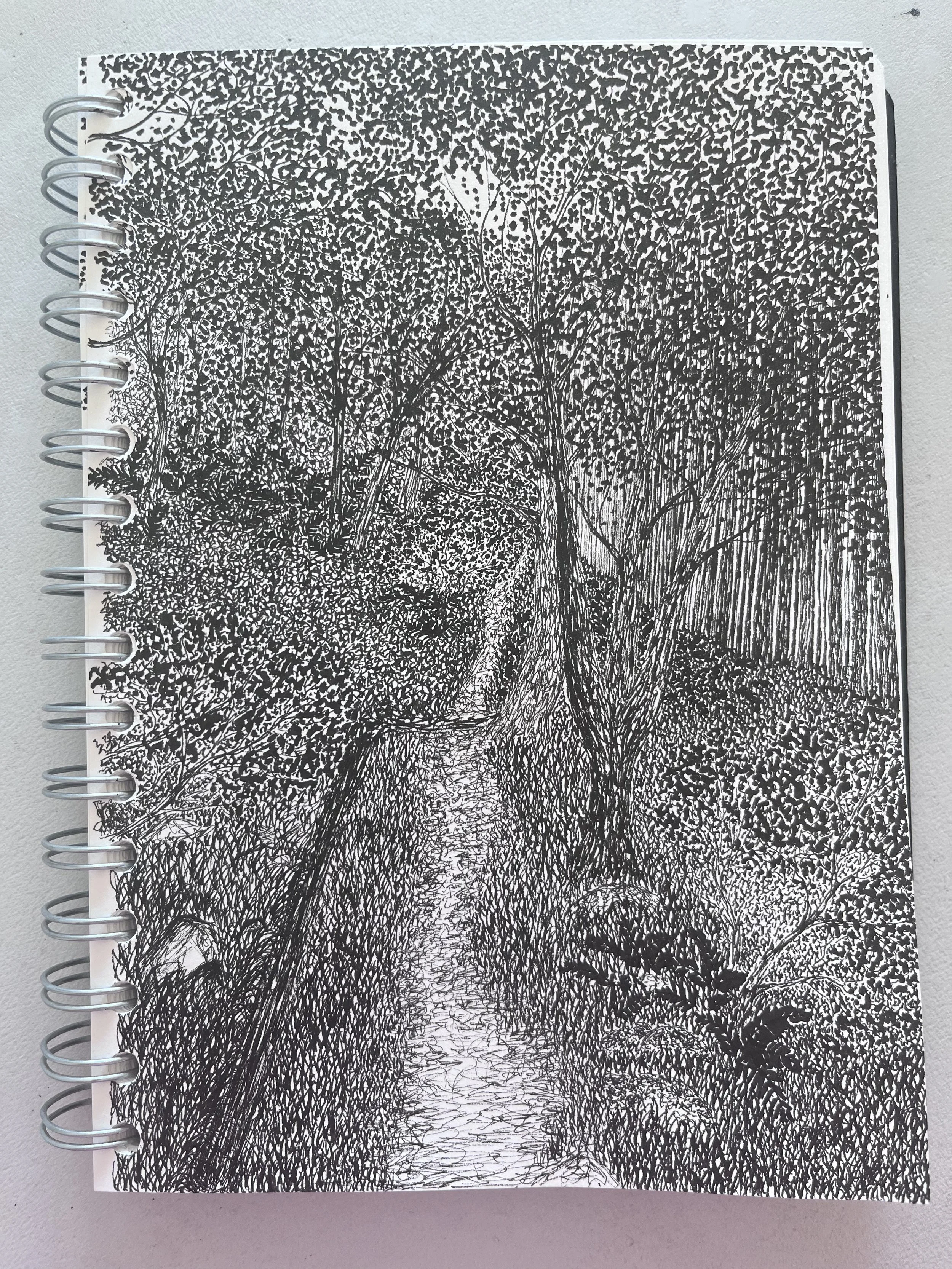
Sketchbook Practice.
A reflection on how maintaining a sketchbook practice has helped me sustain momentum in my art, particularly during periods of low energy, while also revealing interesting connections between intuitive mark making and alexithymia.
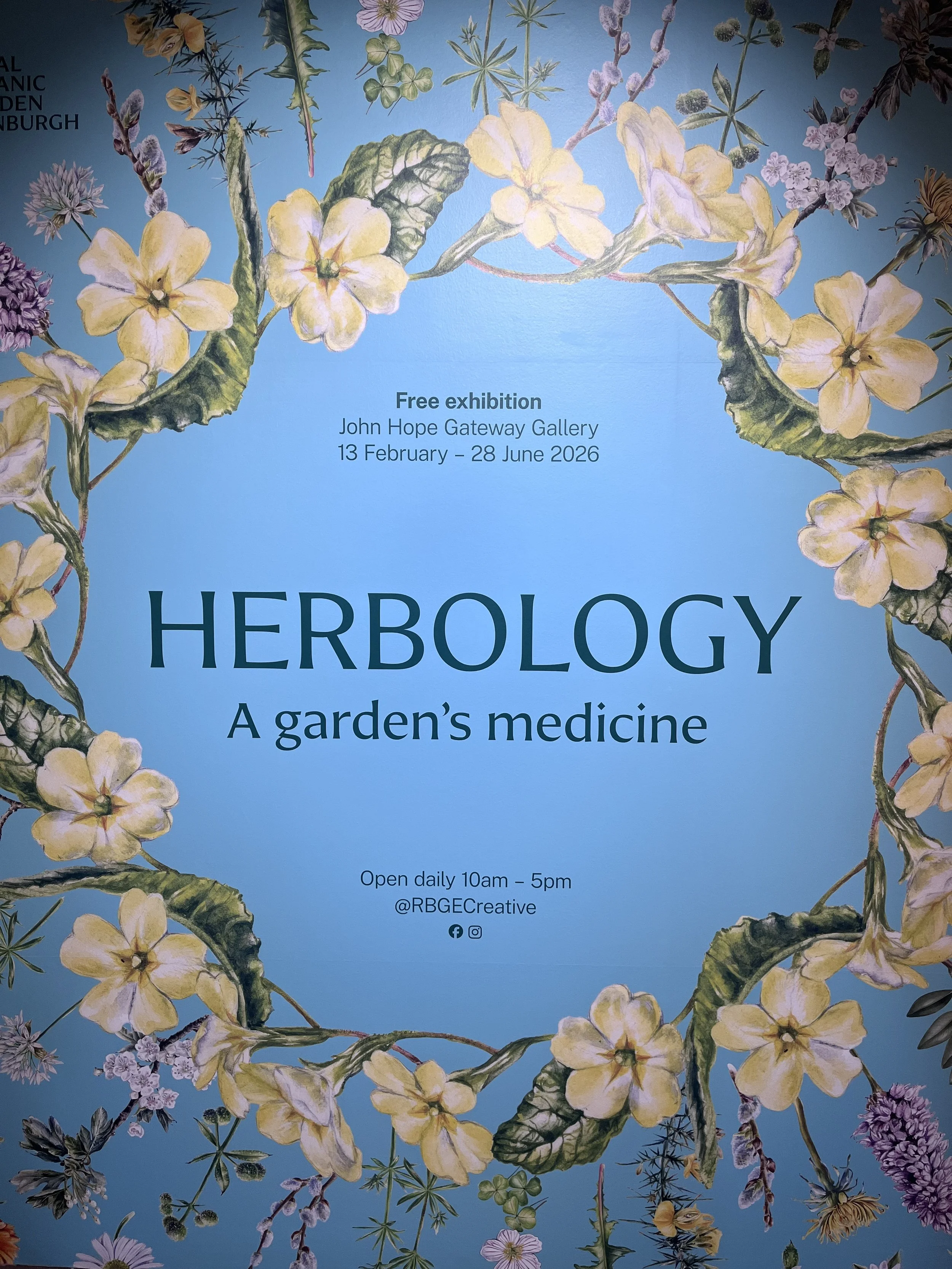
Herbology & Early Spring.
A visit to the herbology exhibition at the Royal Botanic Garden Edinburgh sparks reflections on herbal knowledge, family history, and the grounding power of the natural world.