Daredevil Photographer.
Alfred Buckham.
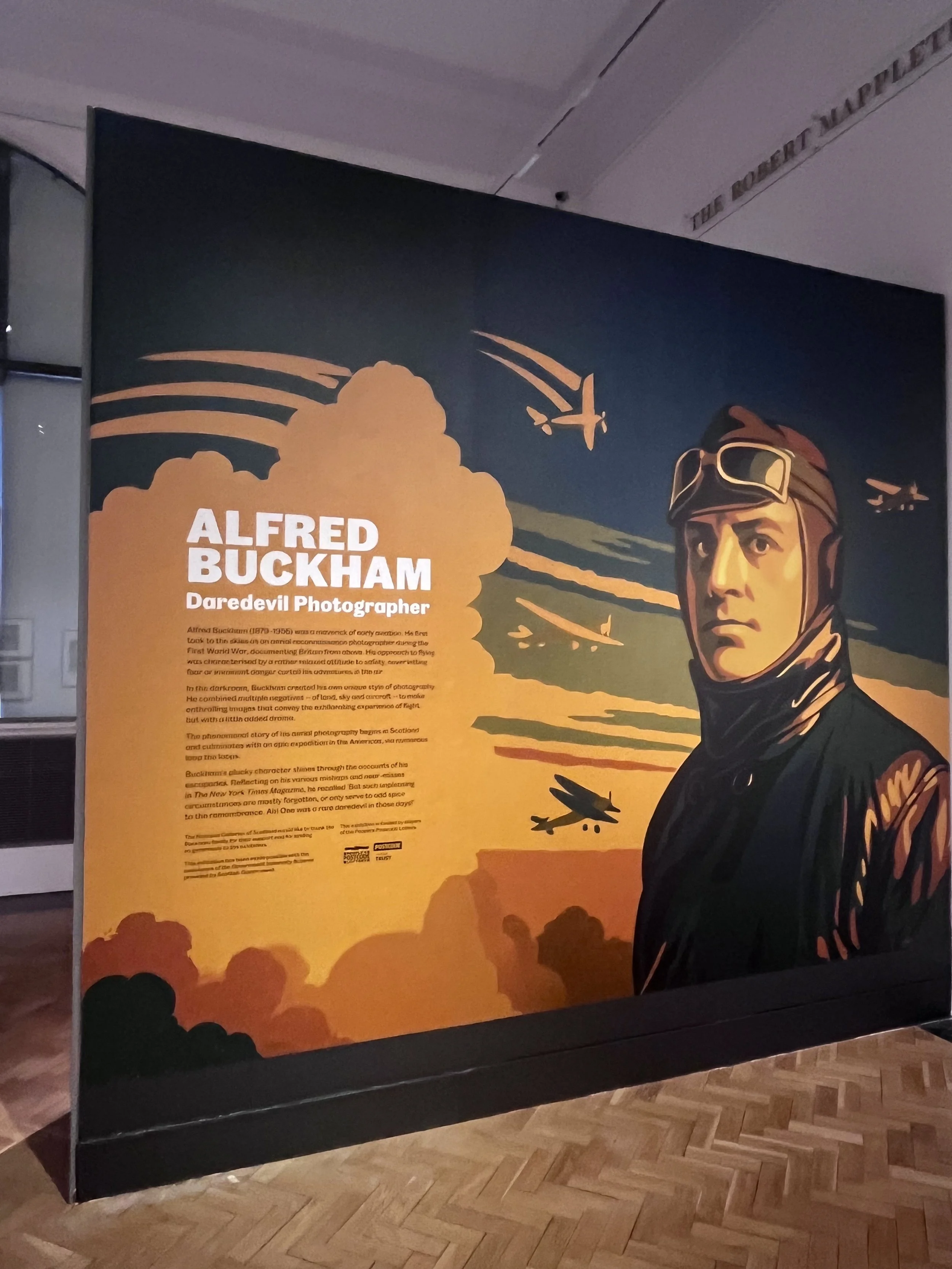
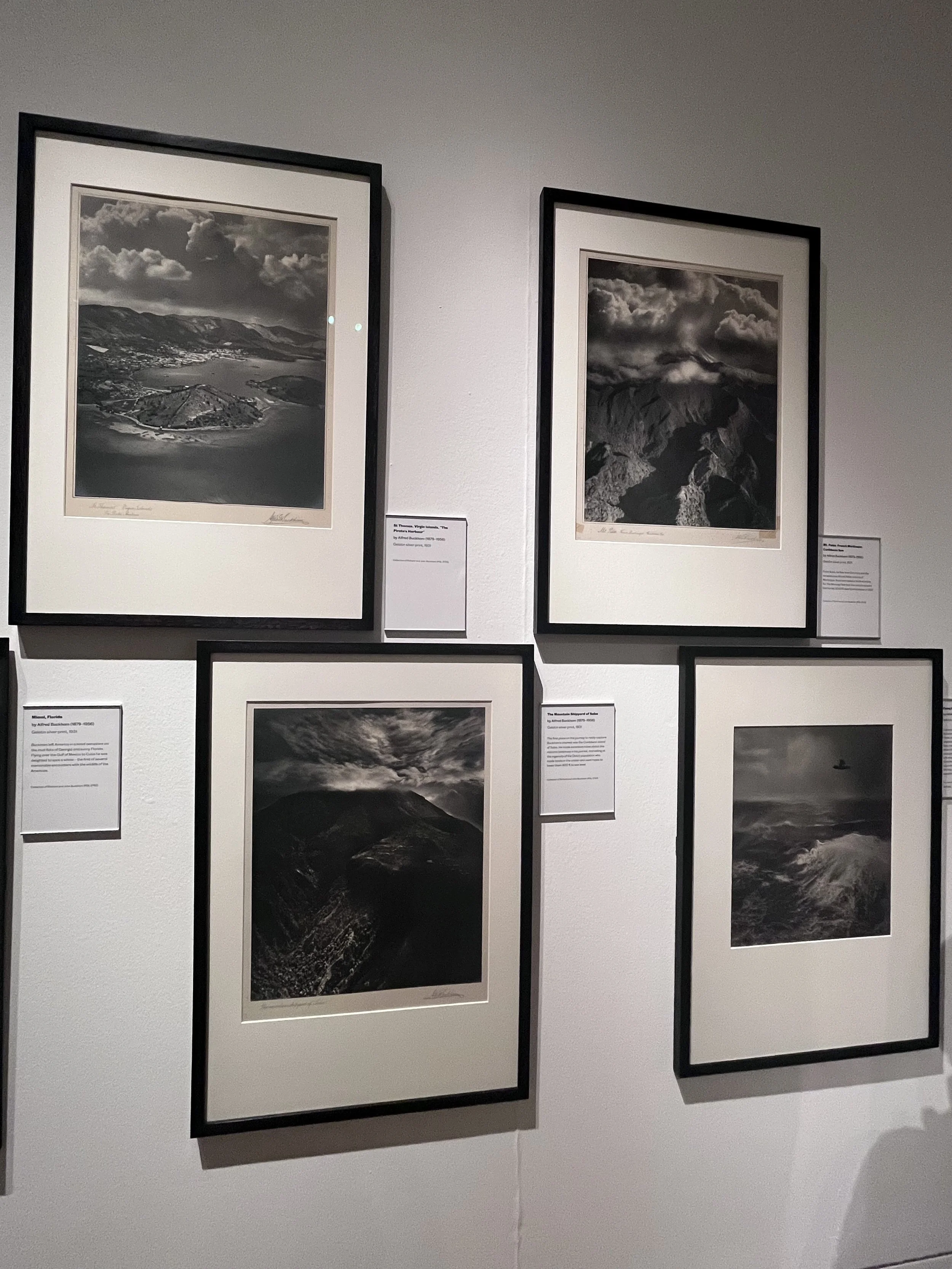
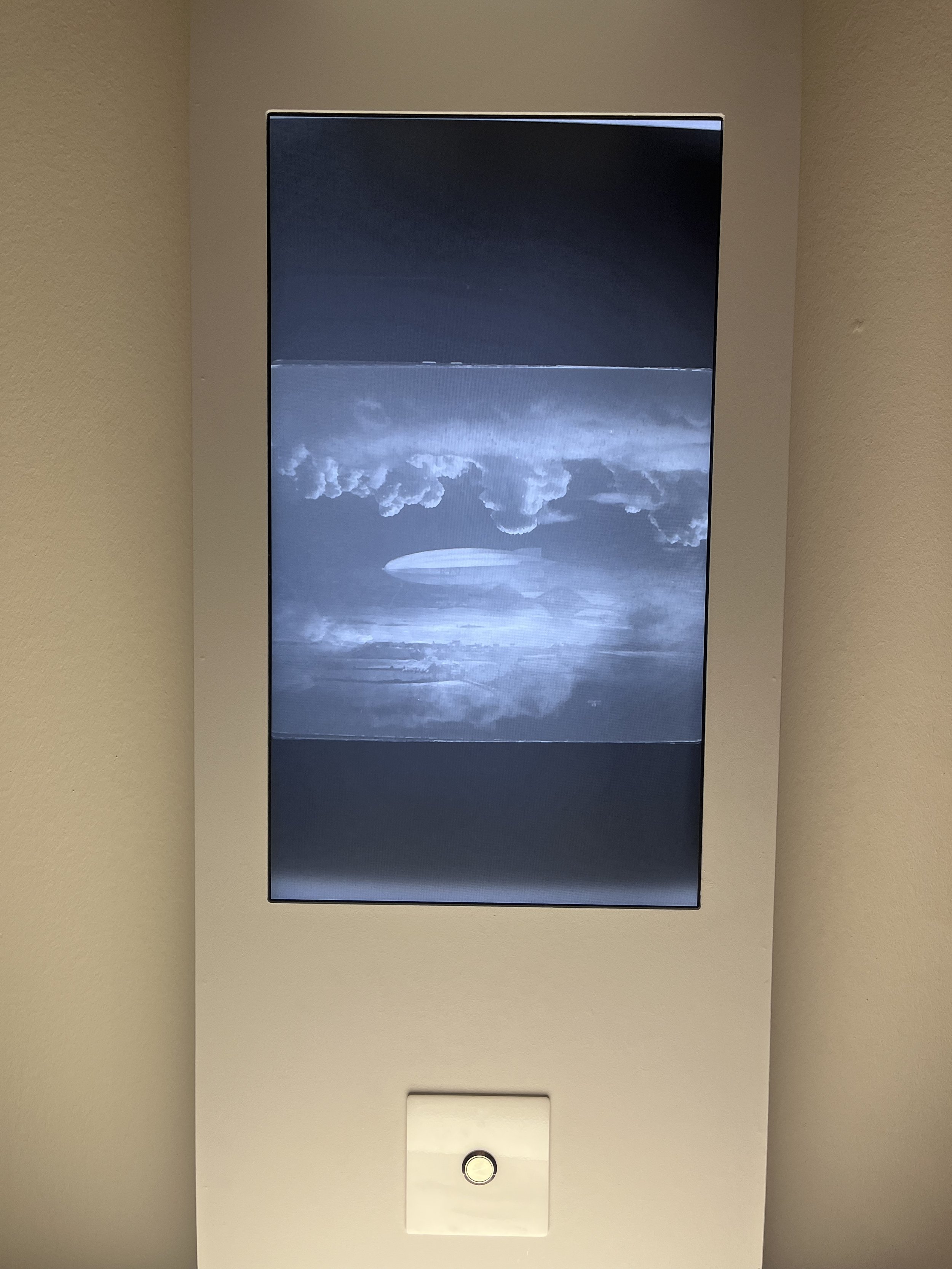
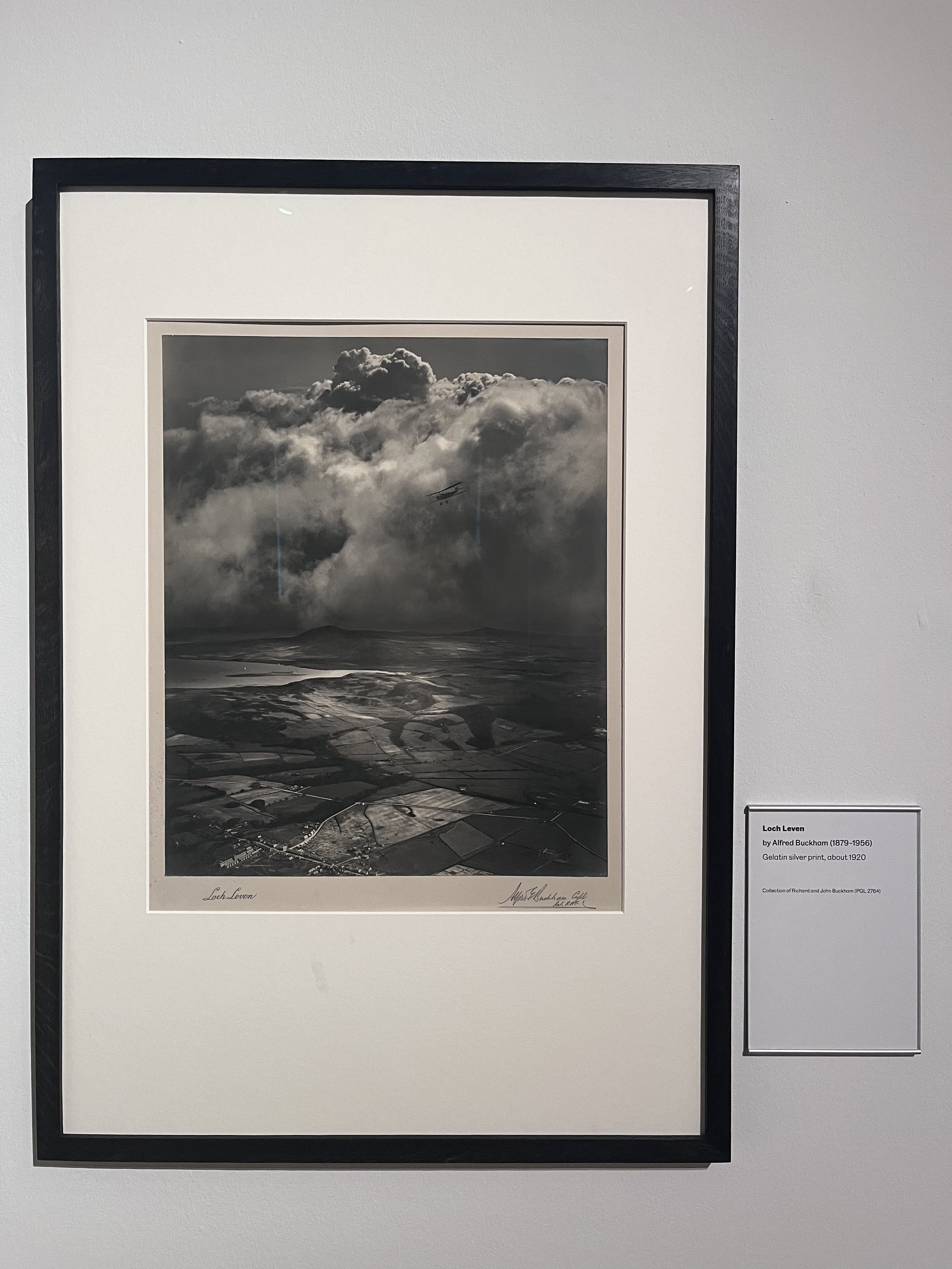
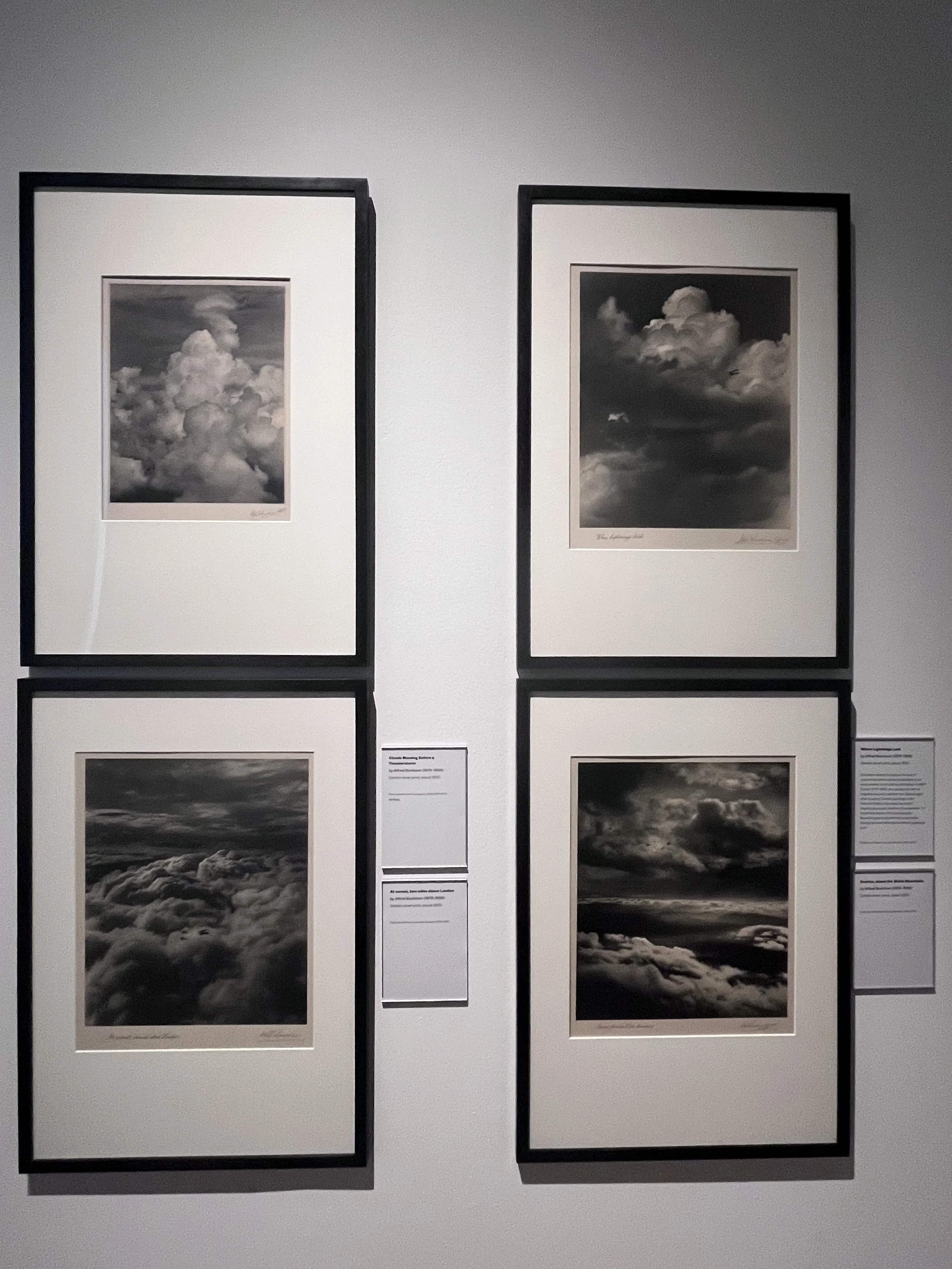
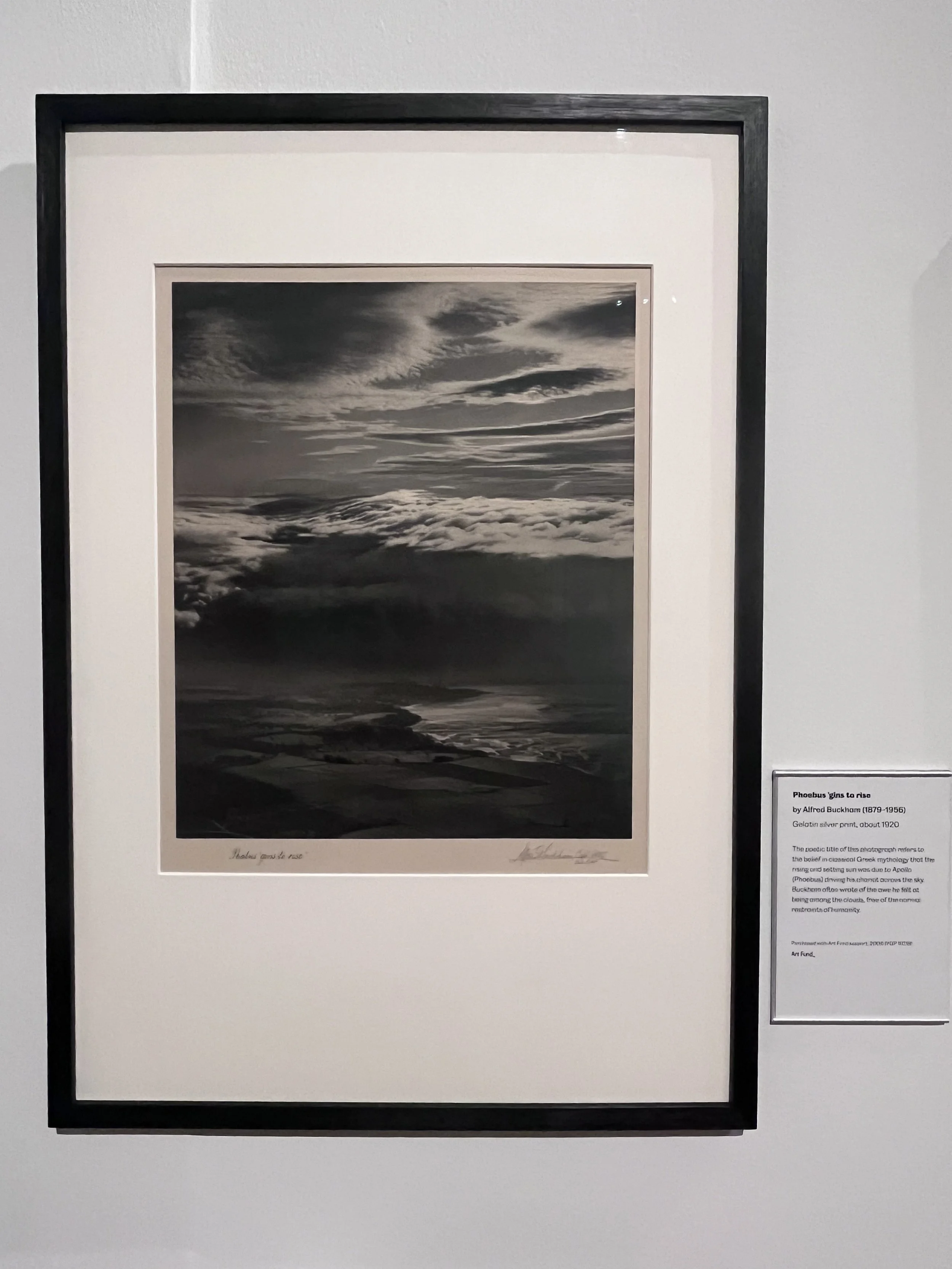
At the end of January, my friend and I went to see the Alfred Buckham: Daredevil Photographer exhibition at the Portrait Gallery in Edinburgh.
It was incredible to see the shots he managed to capture. What I kept coming back to was the sheer human perseverance behind them, the fact that he kept going back up despite all of the crashes and difficulties he encountered along the way. There is something almost irrational about that level of commitment, and yet that irrationality is exactly where some of the most extraordinary creative work tends to come from. That human ambition and drive to continue creating, to keep pushing into new territories even when the cost is high, is something I find myself thinking about a lot in relation to what it means to be devoted to a practice.
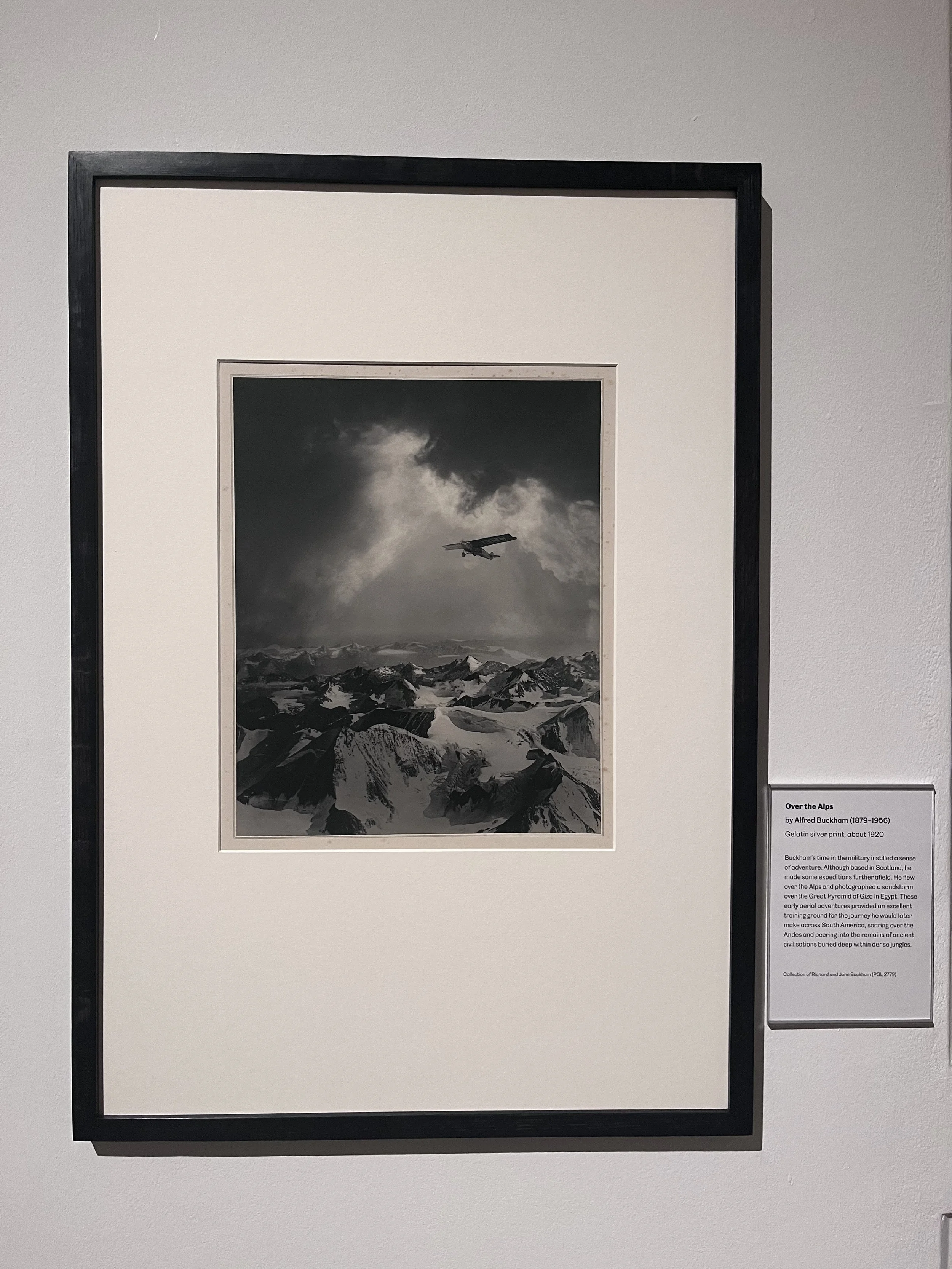
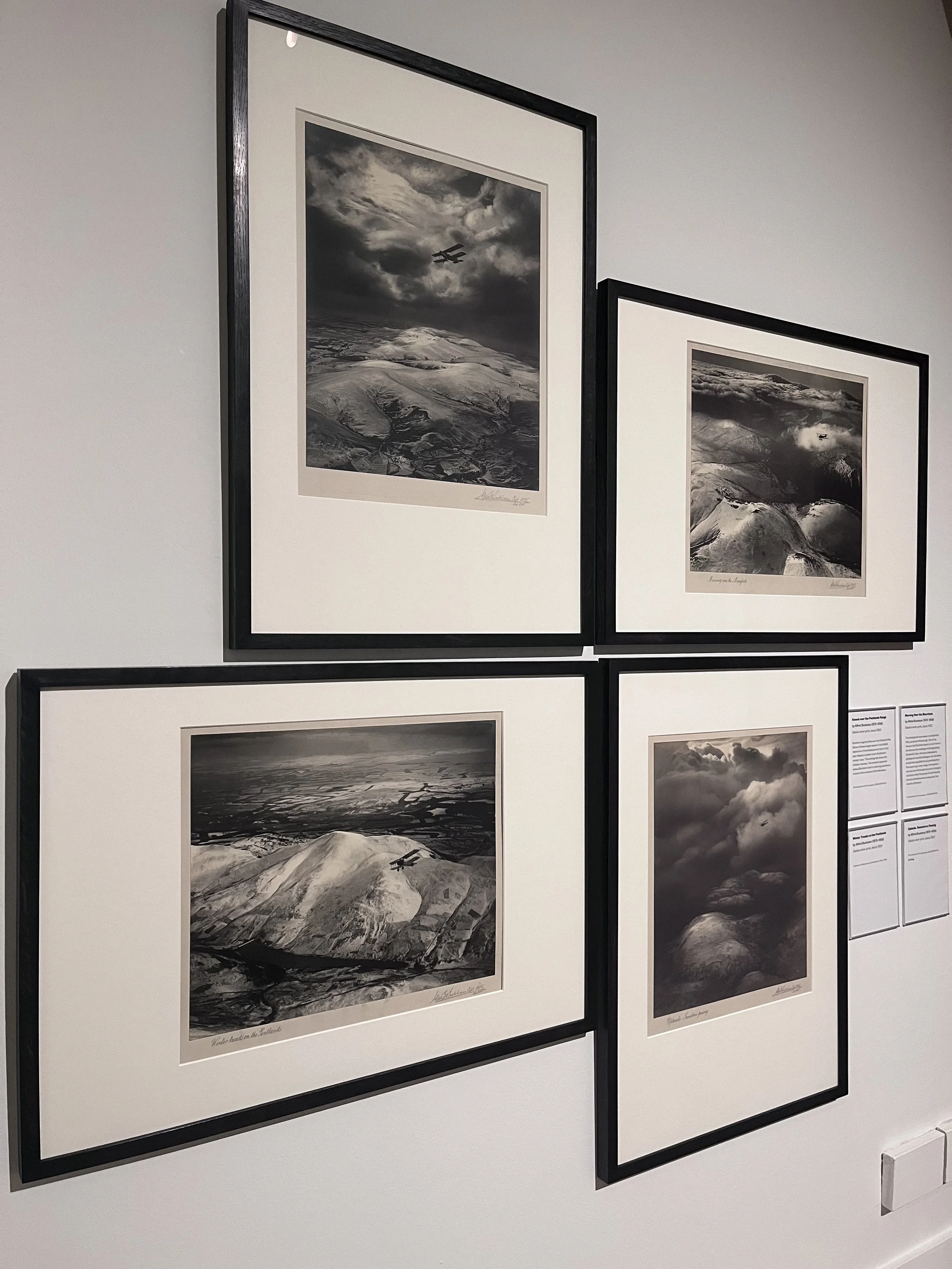
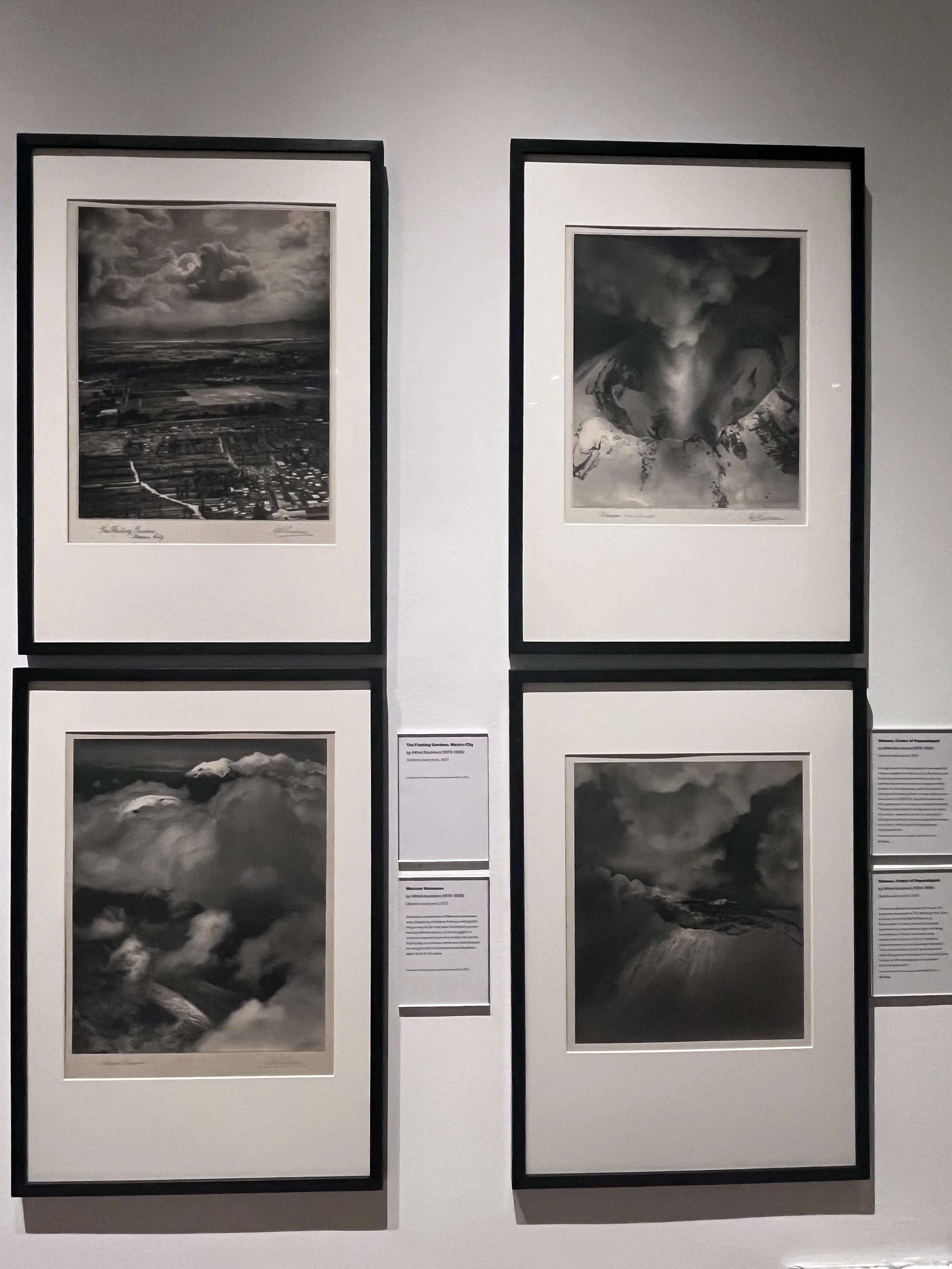
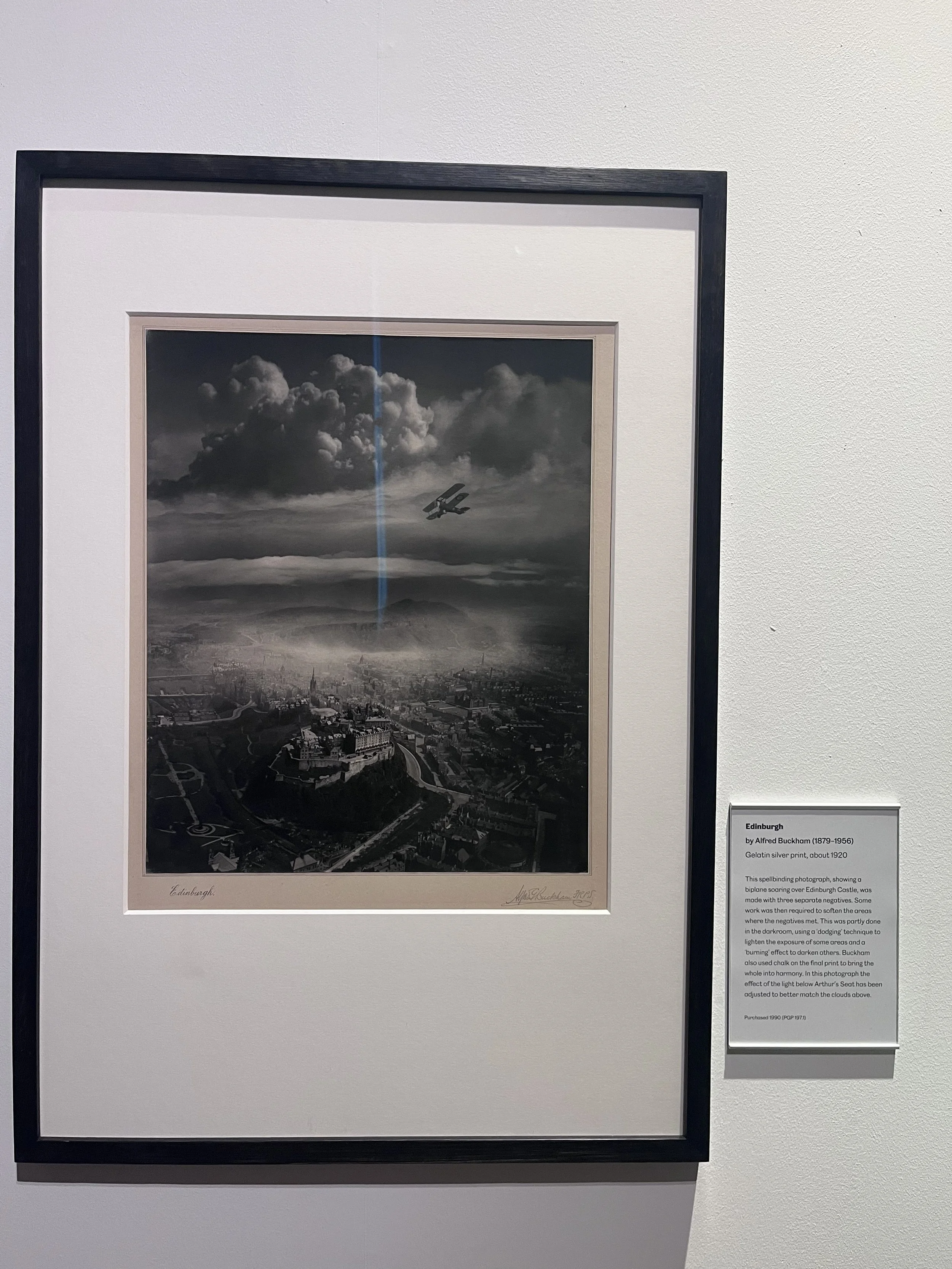
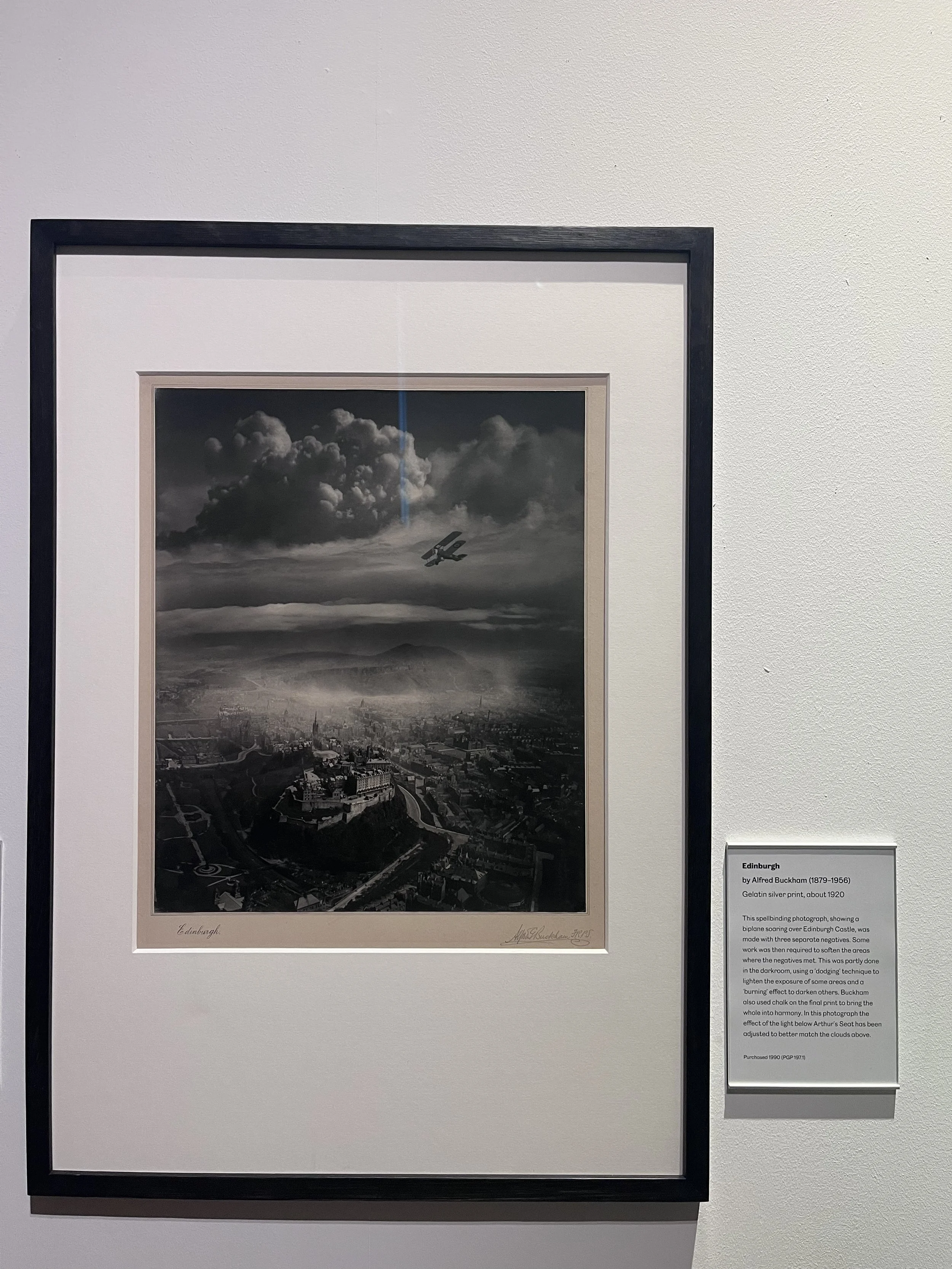
What struck me equally was what he was able to do once he came back down to earth. The way he was able to manipulate and curate photographs manually, in an age before Photoshop or any of the digital tools we now take for granted, was extraordinary to witness. Seeing what he constructed physically and by hand made me think about how much we now rely on software to do the work of vision for us. There is a tendency to think of earlier, more laborious processes as limitations. But looking at his work, it becomes clear that those constraints produced their own kind of ingenuity, their own kind of intelligence. There is a quality of attention in work that has been made slowly, by hand, through physical contact with materials, that is difficult to replicate any other way. Sometimes stripping things back and returning to the material and the manual uncovers something more. Something that the intervention of machines and software, for all their power, can quietly smooth over.
What I kept thinking about, looking at his composite photographs, was the question of what it means to carry a place. Buckham would go up into the air, gather what he could see from that height, and then come back down and reconstruct it in the darkroom, combining multiple negatives into a single image. The final photograph is not a direct record of what he saw. It is a made thing, assembled from fragments, shaped by memory and intention and the physical process of working with the materials in front of him. That tension between the experience of being somewhere and the object that gets made afterwards feels very close to questions I find myself sitting with in my own practice. The landscape is the starting point, but what ends up on the page or in the darkroom is always a translation of it, something carried back and worked through rather than simply captured.