Narratives in Art.
Narratives in Art is a living archive of my practice, a space to document, process, and think out loud. Posts might follow a new work, a small observation, an exhibition, or a question I can't yet answer. There is no fixed agenda here, only an ongoing record of how the work develops, where it leads, and what it is slowly becoming.
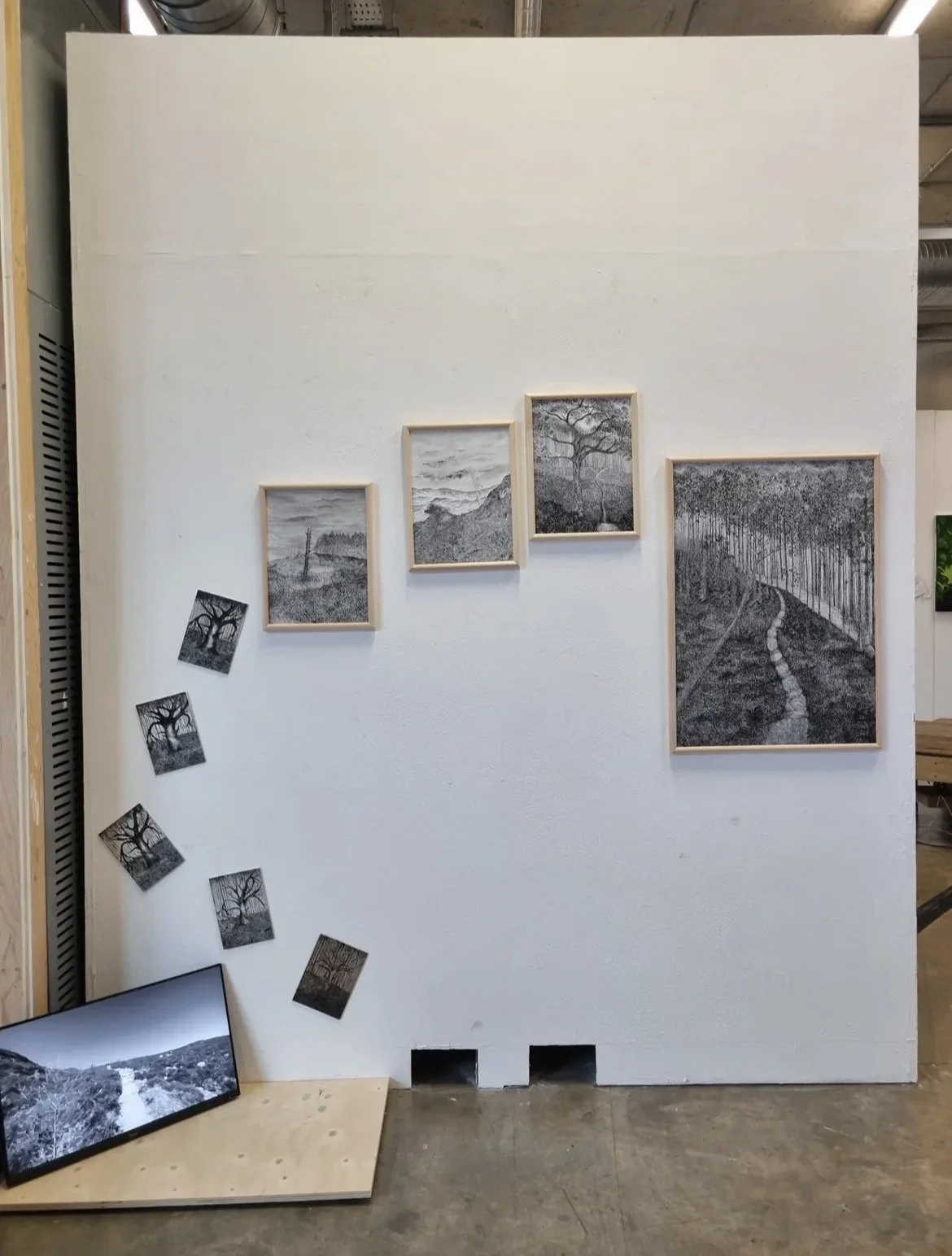
Understory.
A spiral of five works exploring masking, place, and belonging, from a burnt and foggy landscape to a path leading into the forest.
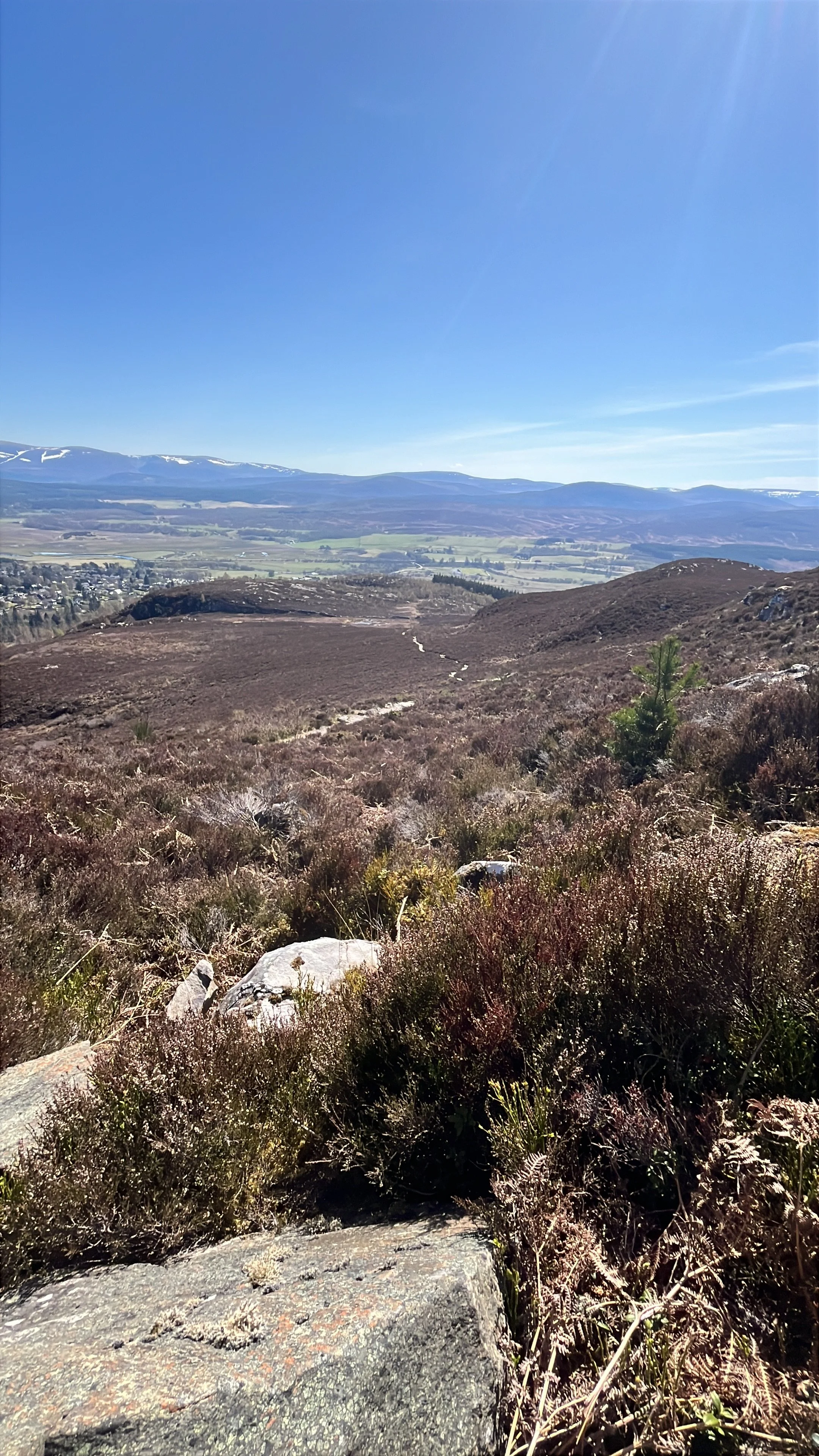
Unit 3 Assessment.
Unit 3 brought together two years of inquiry into landscape, embodiment, neurodivergence, and chronic pain into what finally feels like a coherent body of work. This page curates the research, reflective writing, and practice-based work from the final unit of my MA Fine Art Digital at Central Saint Martins, mapped against the three learning outcomes for assessment.
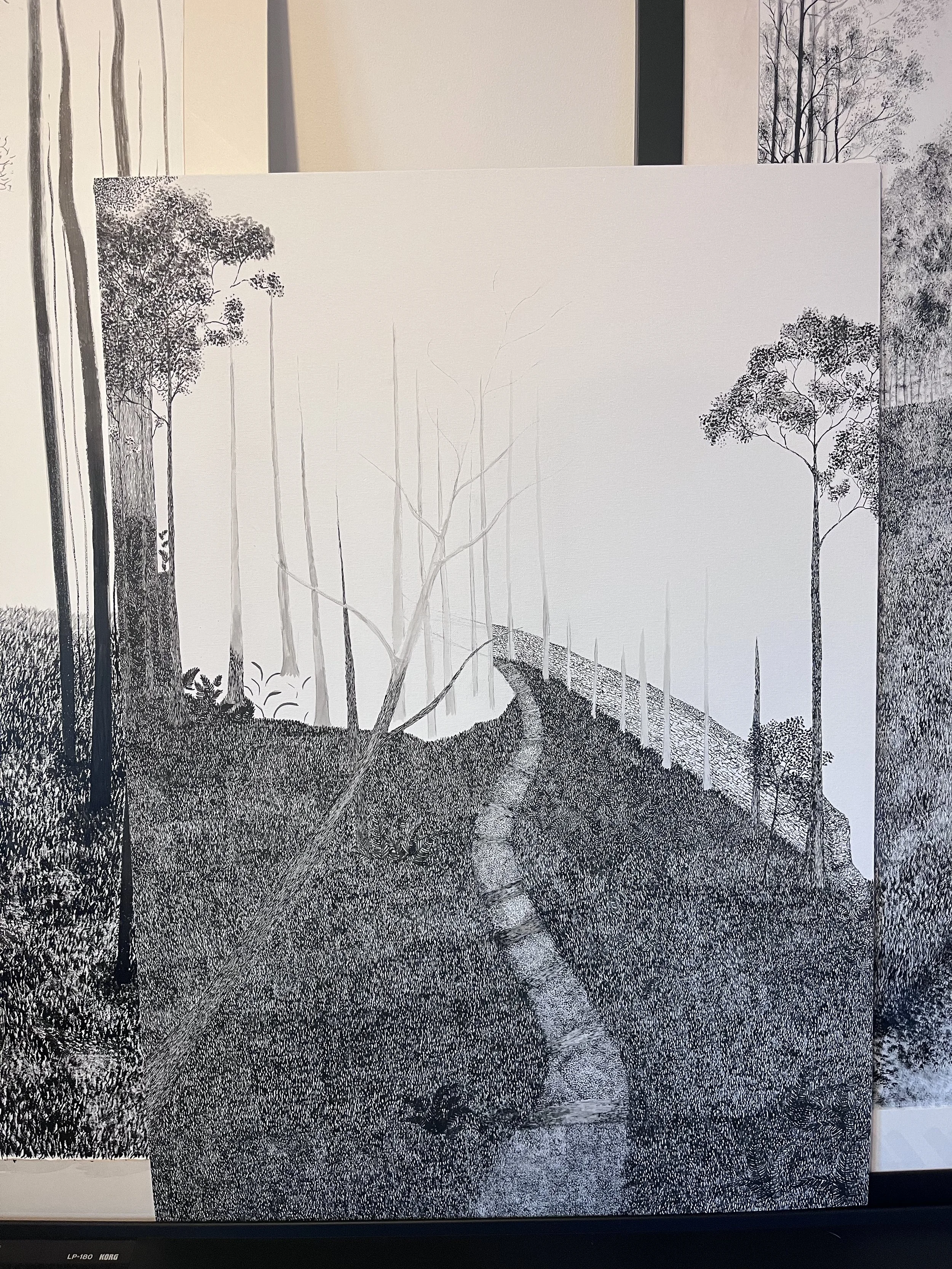
A1 Painting Series.
For the CSM final show at the beginning of July, I am working on a series of paintings at A1, challenging myself to translate some of my smaller sketches and ideas onto a larger canvas board, and in doing so, drawing together so much of what I have been experiencing and exploring throughout this course.
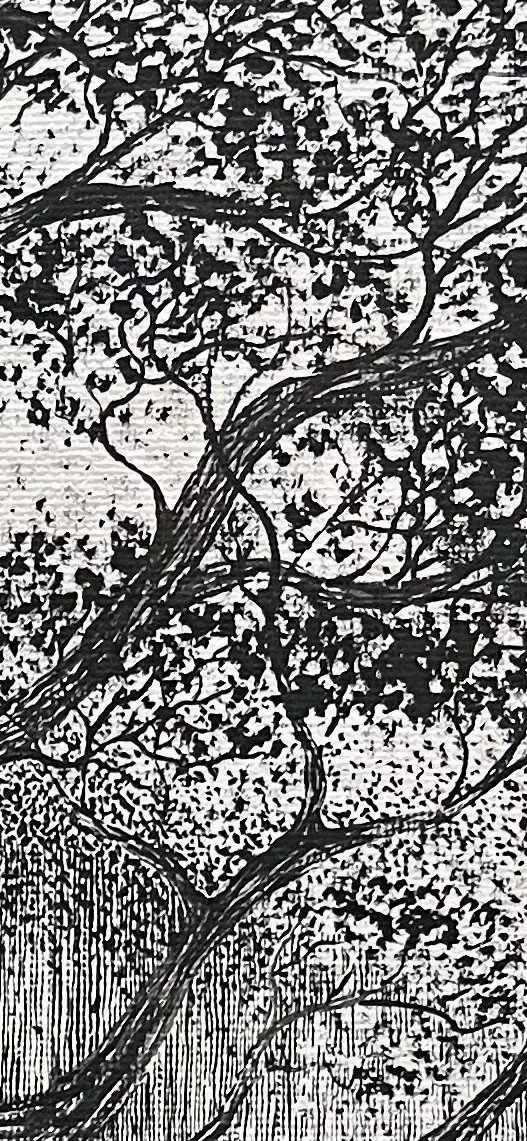
Revisiting the Unit 2 To Do List.
When Jonathan reflected that the to do list I had drawn up after Unit 2 was enough to sustain a lifetime of practice, he was not wrong. This post is an honest account of what I have actually followed up on during Unit 3, what has developed in unexpected directions, and what I have consciously set aside as I move towards the end of the MA and begin thinking about what comes next.
Draft PhD Research Proposal.
Dùthchas is a Gaelic word that carries more meaning than most English words can hold: the place of your birth, hereditary belonging, the idea that people belong to places rather than places belonging to people. This post shares my draft proposal for a practice-based PhD, written as part of my Unit 3 assessment.

Thinking About Installation and a Solo Show.
Over the course of this final unit I have been thinking more carefully about how I might want to present and install my work, and what it might mean to bring it into contact with an audience beyond the course. This post explores ideas for a solo show, including an experiment with splitting audiences between labelled and unlabelled experiences of the work, and the possibility of creating an immersive space that brings the sounds and landscapes of Kingussie into the room.
Mycoaesthetics.
Following my reading of Anna Tsing and a suggestion from Jonathan, I have been reading up on the idea of mycoaesthetics and what it means for a practice rooted in landscape, place, and the body.
Natural Dyes and the Marigold Cycle.
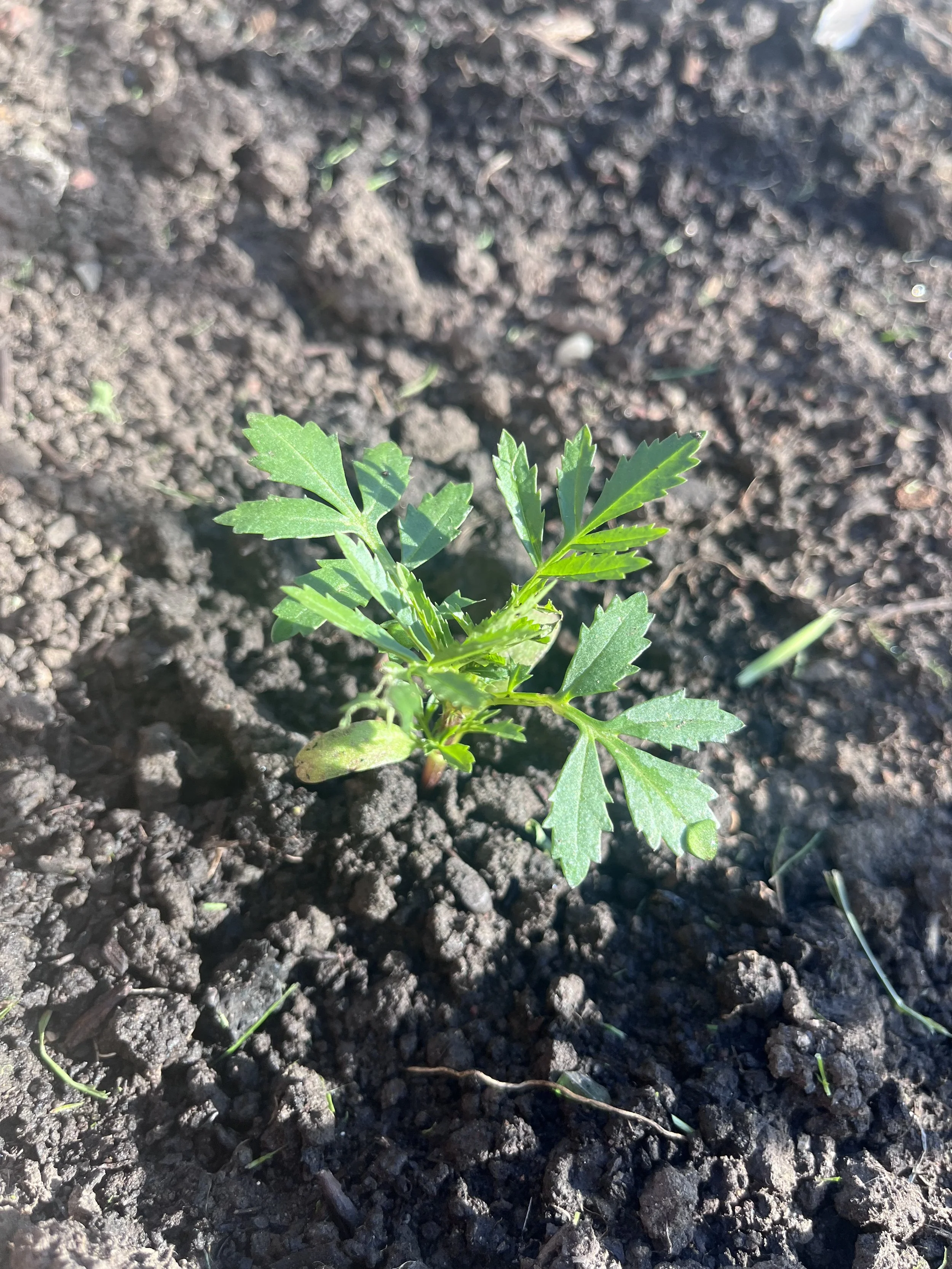
While researching natural dyes following the Unit 2 feedback, I discovered that the marigolds we grow every year in our garden could also be used to make painting ink. This post reflects on what that discovery opened up, the relationship between gardening and making, and what it might mean to slow the practice down to work with the rhythms of a growing season rather than against them.
5 Minute Summary Video.
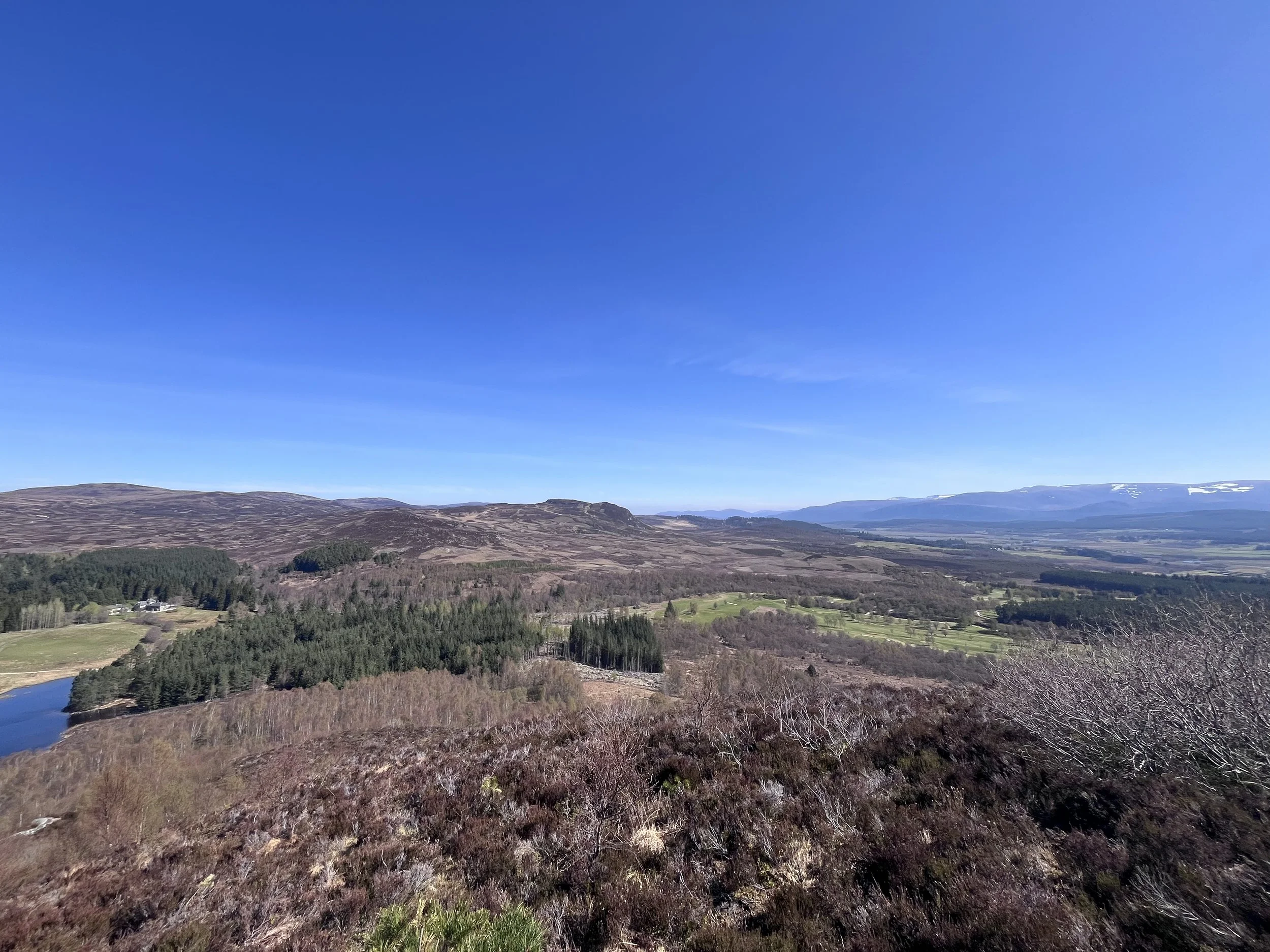
A five minute video made for my Unit 3 assessment, filmed in the landscapes of Kingussie that have shaped so much of my practice. Part reflection, part resolution — two years of research, making, and gradual self-understanding, brought back to the place where much of it began.
1-2-1 Reflections.
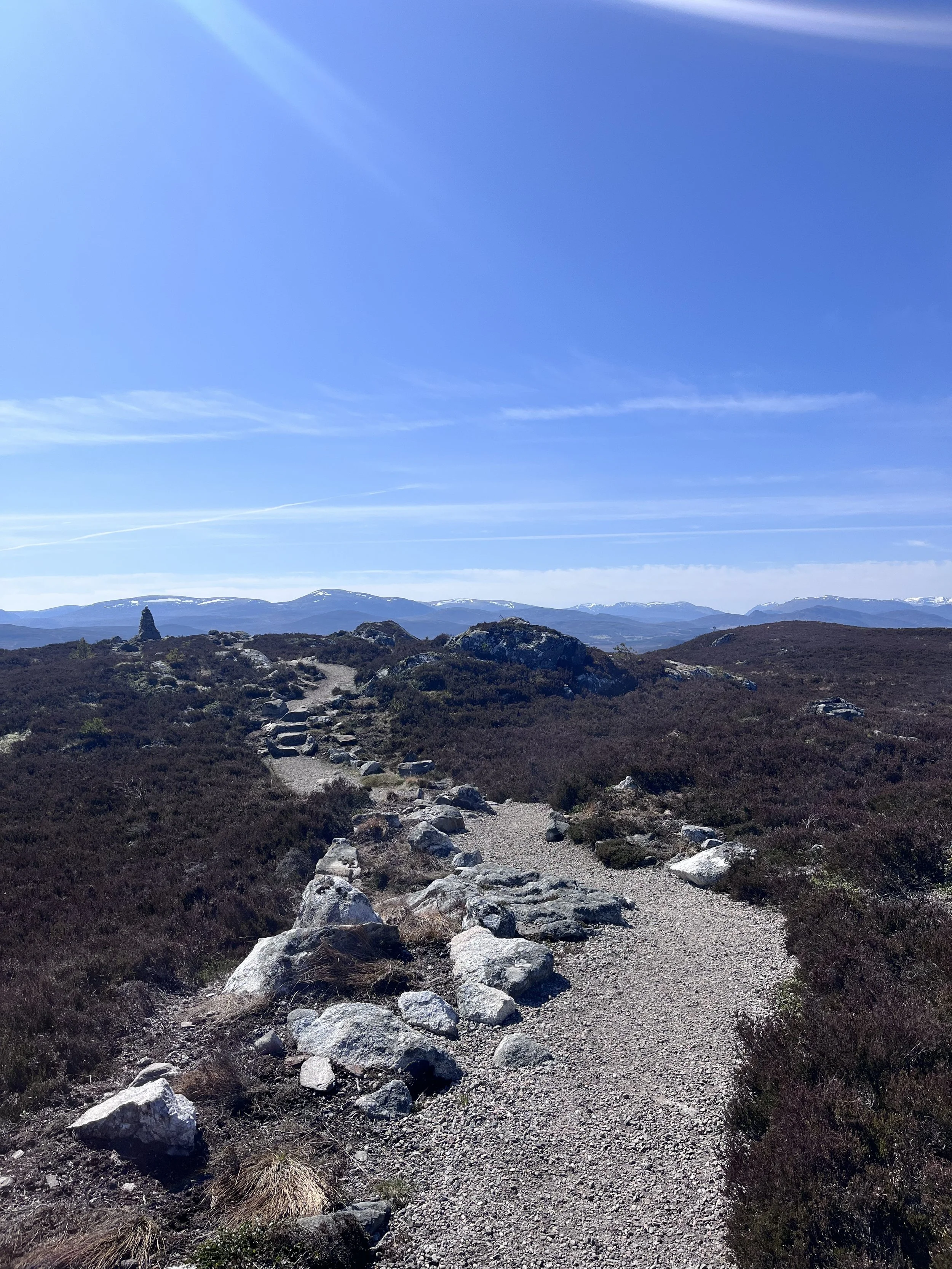
I had my 1-2-1 tutorial with Jonathan on the 27th of April, following my trip to Kingussie and ahead of the Unit 3 video and curated blog deadlines. We covered a lot of ground, from video footage and audio challenges to new research directions, end of year show planning and next steps for my PhD proposal.
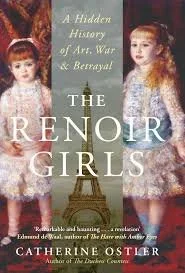
The Renoir Girls.
On the 21st of April a friend and I went along to a book talk at the Royal Scots Club, organised by Toppings, about Catherine Ostler's The Renoir Girls. A book about a single Renoir painting, the Jewish family it depicted, and the devastating distance between that moment of Belle Époque glamour and what came after.
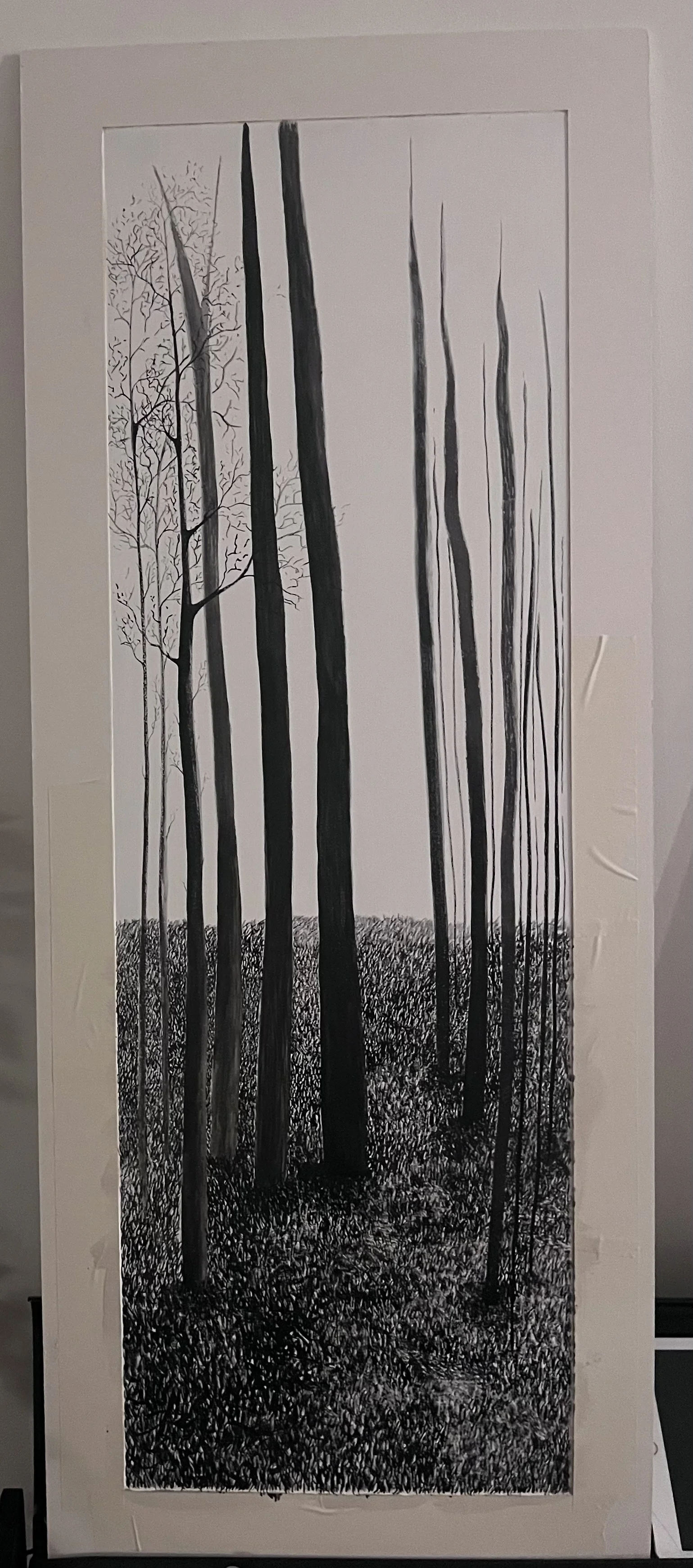
Reclaimed Canvases Project.
Continuing my reclaimed canvases project, I reflect on painting from instinct for the first time, the slow dialogue between me and the canvas, and how working with found materials connects to the themes of concealment, ecology, and neurodivergent identity that run through my practice.
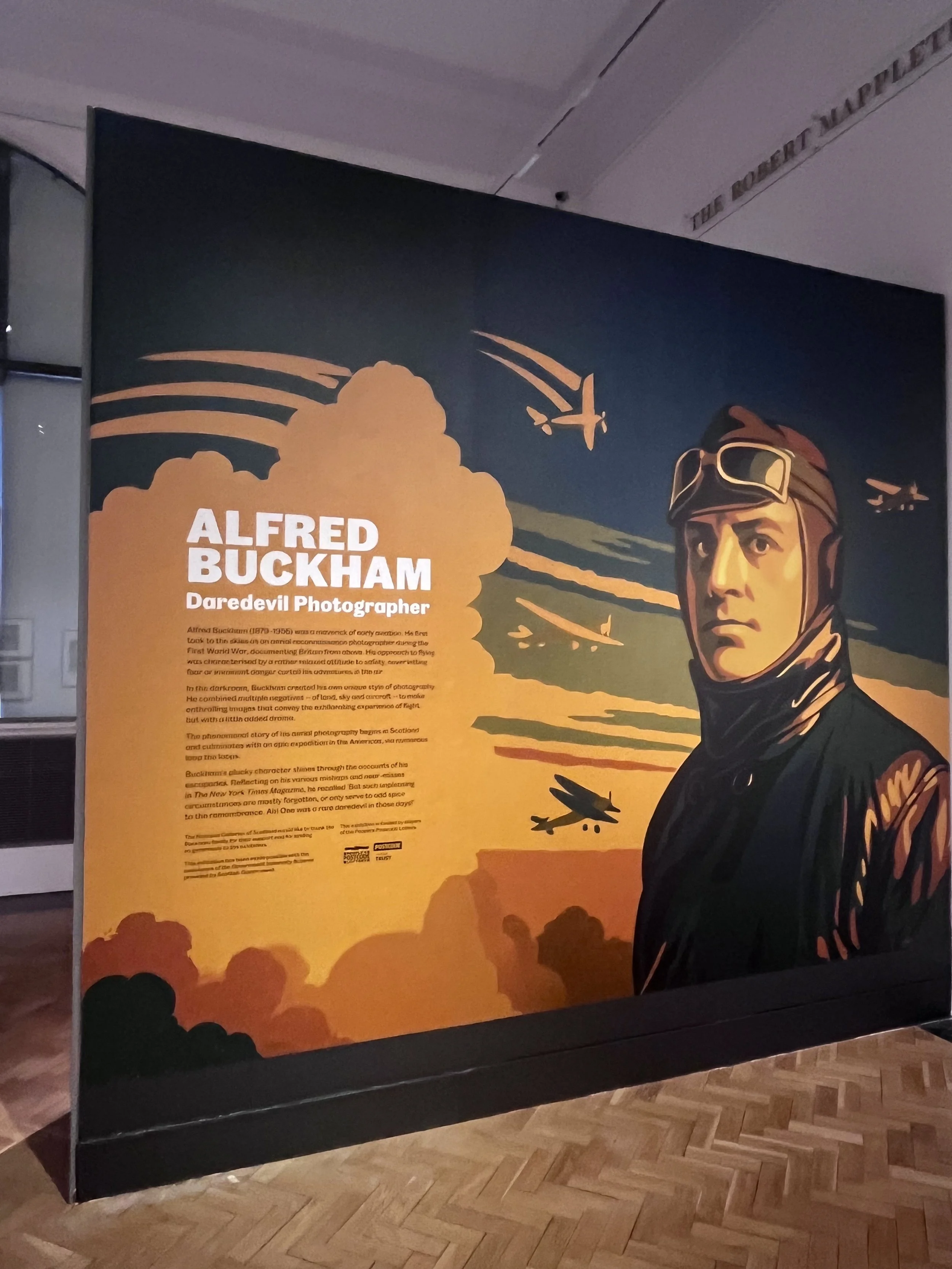
Daredevil Photographer.
A visit to the Alfred Buckham: Daredevil Photographer exhibition at the Portrait Gallery in Edinburgh, and what his darkroom composites revealed about perseverance, the manual, and what it means to carry a place back with you.
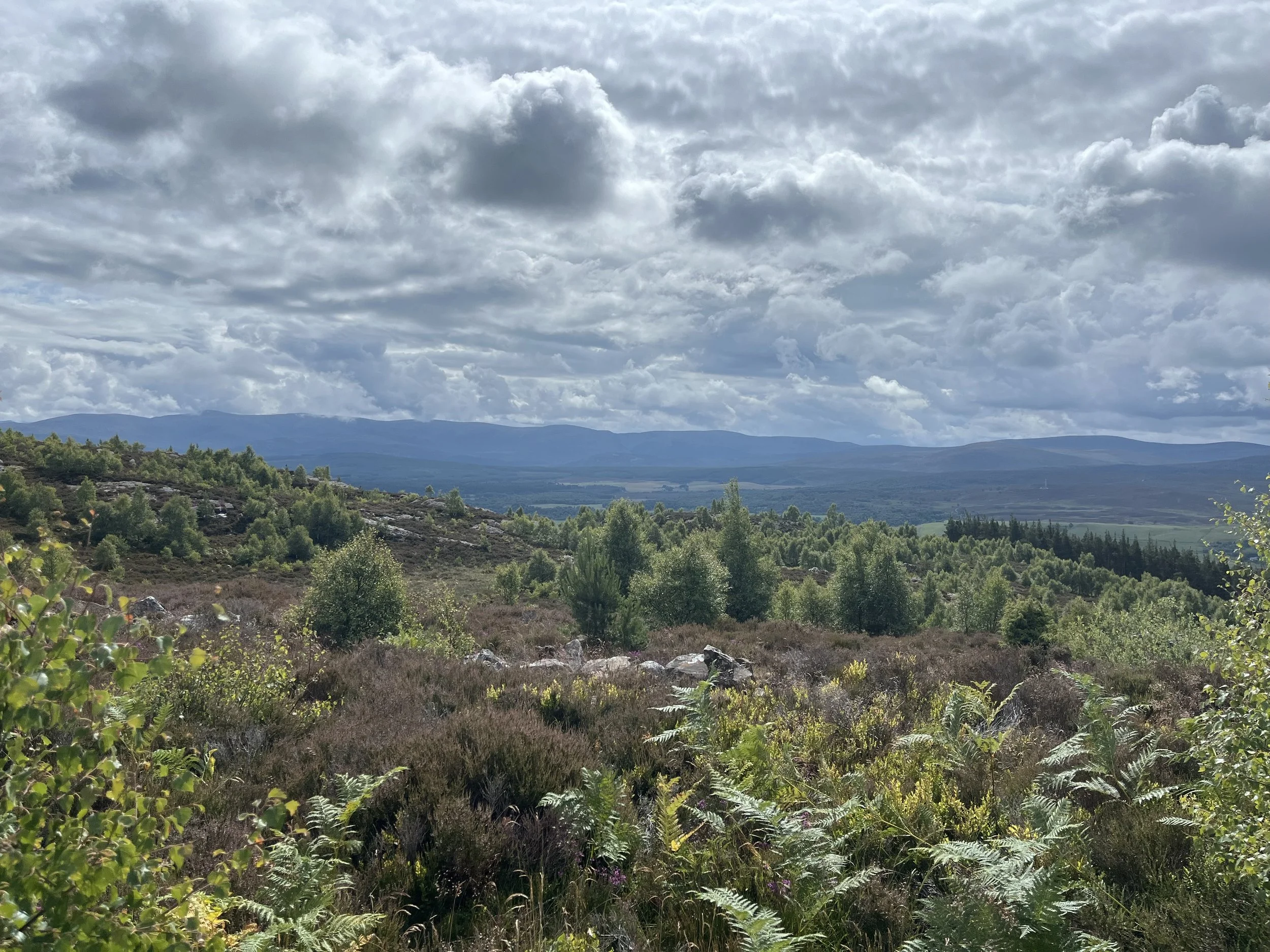
1-2-1 Reflections.
A reflection following a 1-2-1 tutorial during my MA Fine Art, exploring direction, identity, conflict, and the emerging threads shaping my practice. This post considers fragmentation and cohesion, material resistance, and the importance of nature, community, and momentum as I move into the final phase of the course.
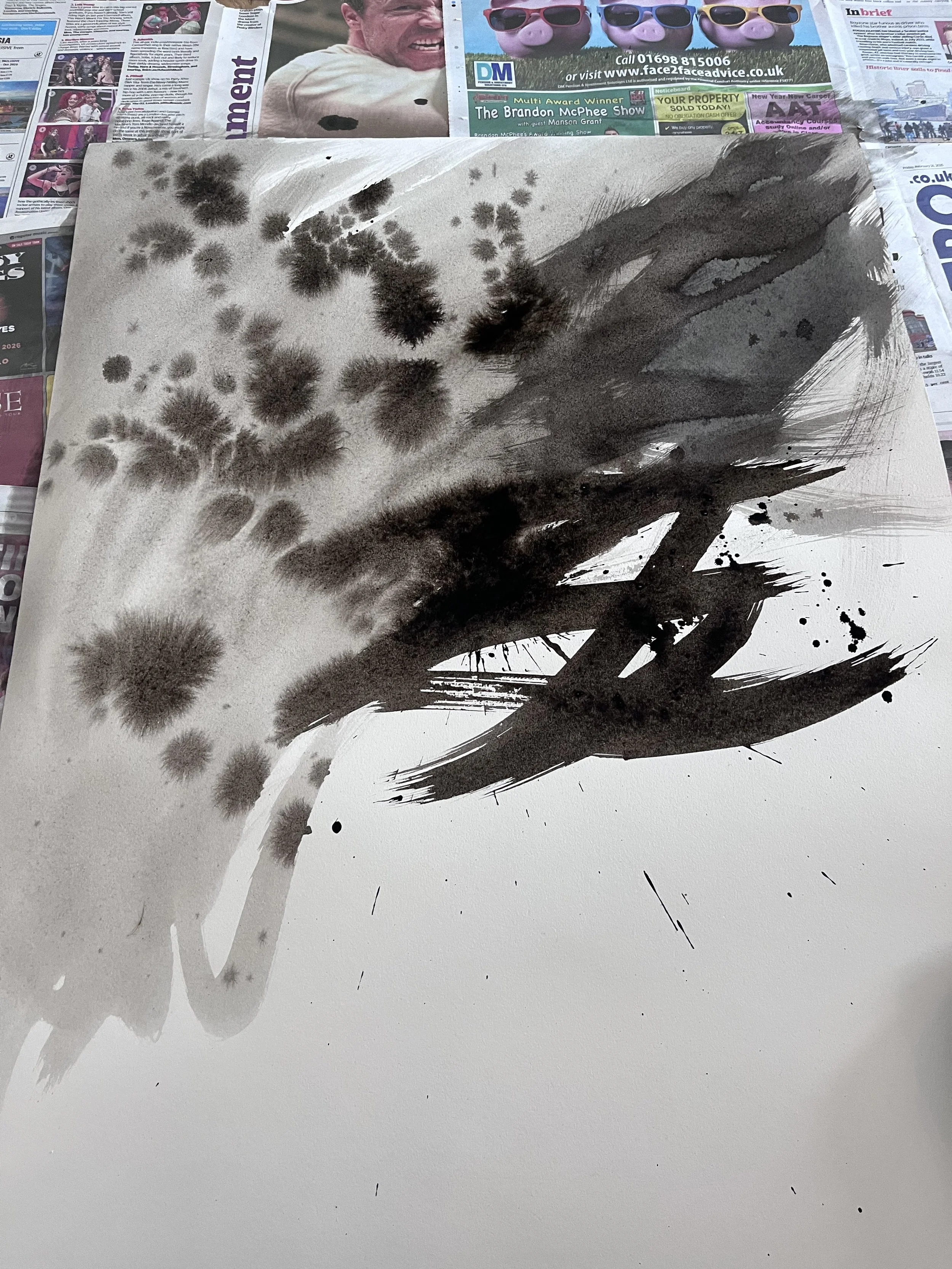
3 Minute Summary Video.
A curated overview of my Unit 2 work, bringing together key developments in my art practice, research, and reflective writing. This page highlights the connections between material exploration, embodiment, landscape, and the evolving ideas shaping my ink-based practice.
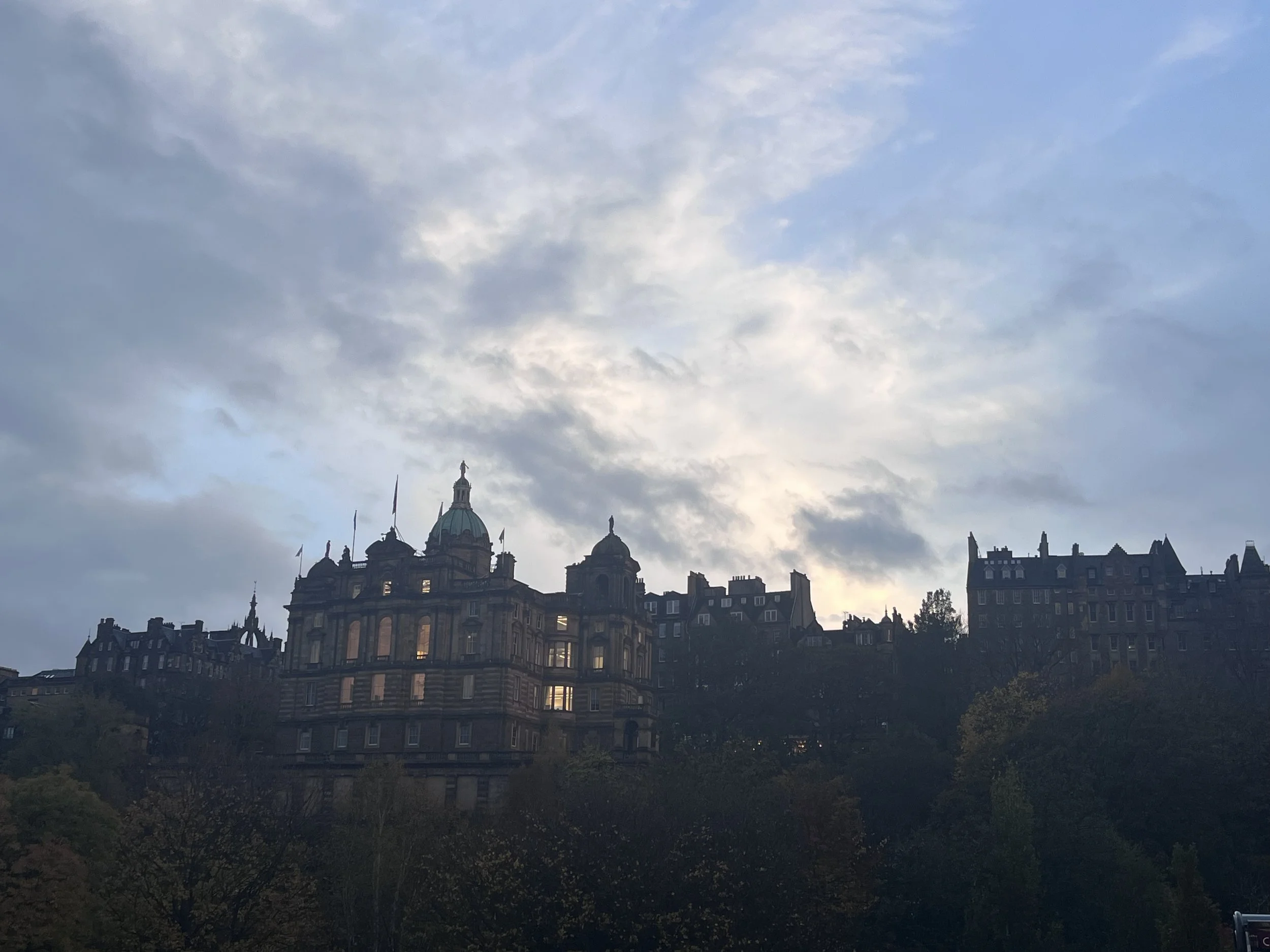
Unit 2 Assessment.
A curated overview of my Unit 2 work, bringing together key developments in my art practice, research, and reflective writing. This page highlights the connections between material exploration, embodiment, landscape, and the evolving ideas shaping my ink-based practice.

Wood Experiments.
In this post, I explore how different preparations of plywood alter the behaviour and atmosphere of ink. By painting the same composition on five boards, each with a different surface treatment, I began to understand how the material beneath a painting carries its own influence. This experiment opened new possibilities for combining wood, fabric and ink to echo the layered textures found in the landscapes that inspire my work.

The Body In Pain.
A reflection on Elaine Scarry’s The Body in Pain and the difficulty of giving voice to experiences that resist language. This article explores how art, ink and landscape can offer an alternative space for expressing pain, and how Scarry’s ideas have shaped the direction of my research into belonging and the body.
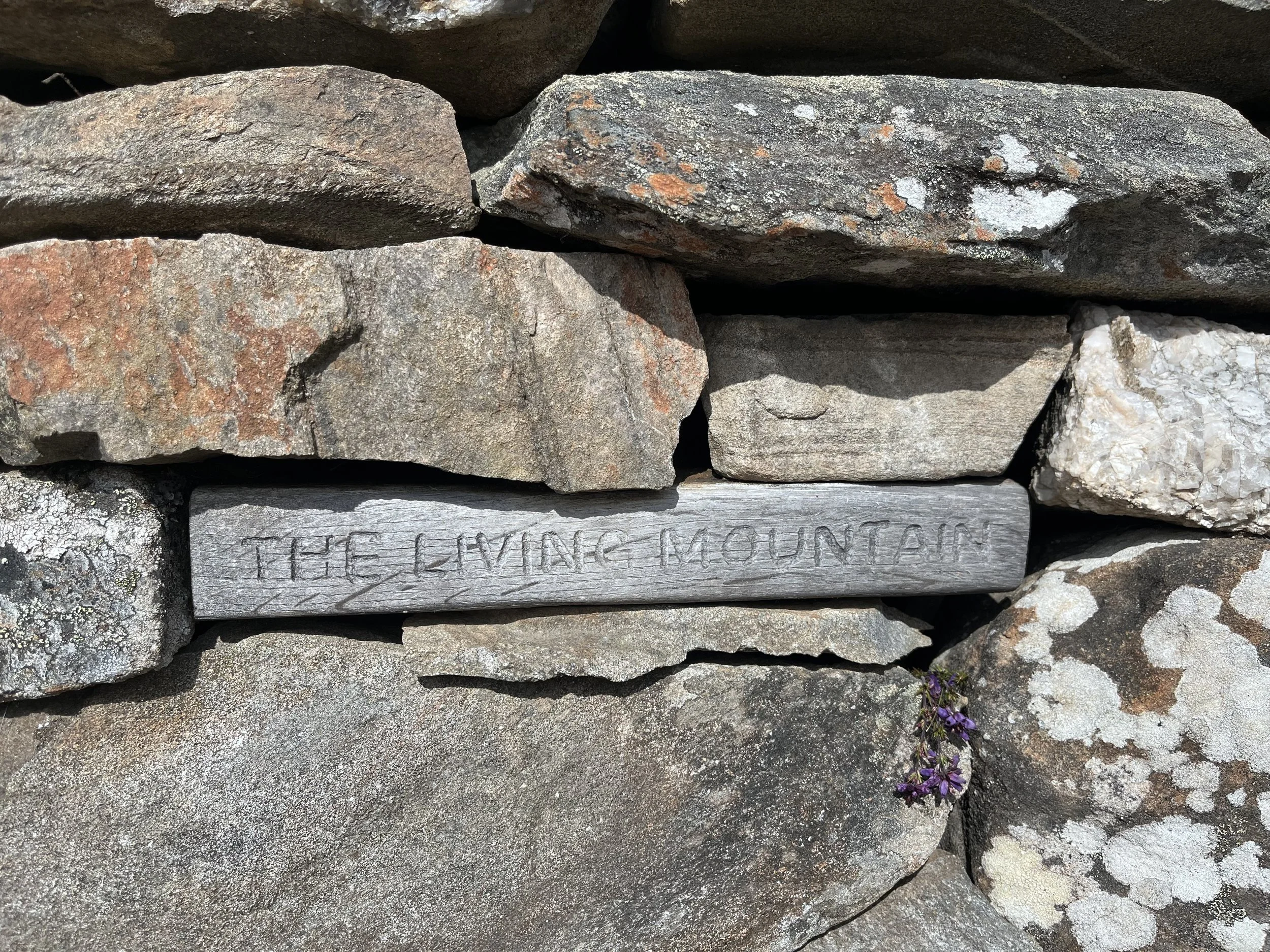
The Living Mountain.
Reading Nan Shepherd’s The Living Mountain deepened my understanding of how landscapes hold memory and shape our inner worlds. This piece reflects on place, belonging and the threads that guide my art practice.
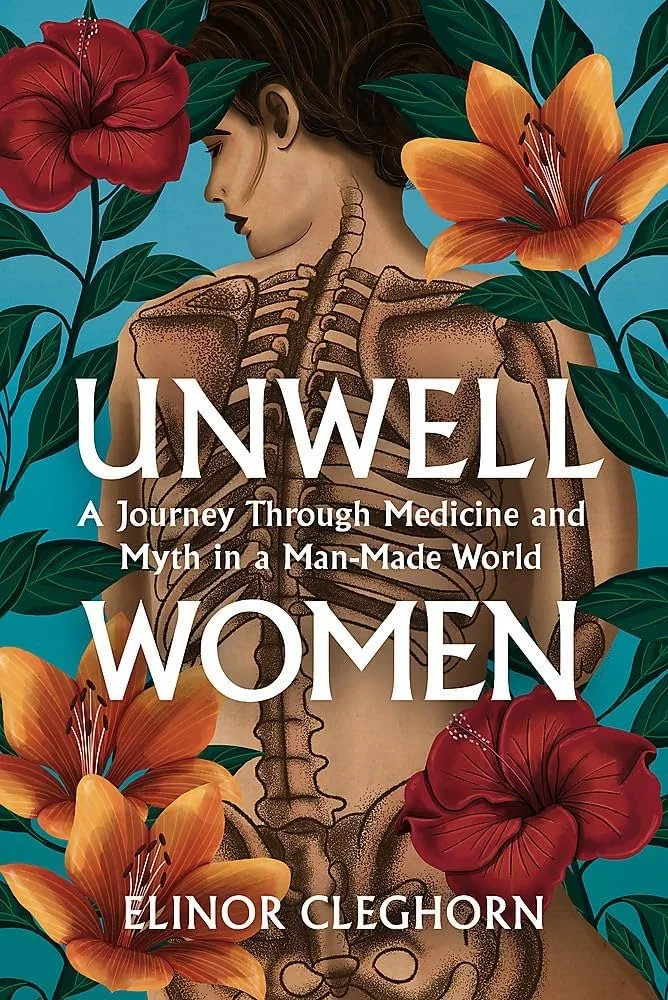
Unwell Women.
A reflection on Unwell Women by Elinor Cleghorn and my own journey of understanding the body. From autism and ADHD screening to the links between fibromyalgia, hypermobility and neurodivergence, this piece explores how the landscape softens these experiences and how ink painting becomes a way of holding the different parts of myself.