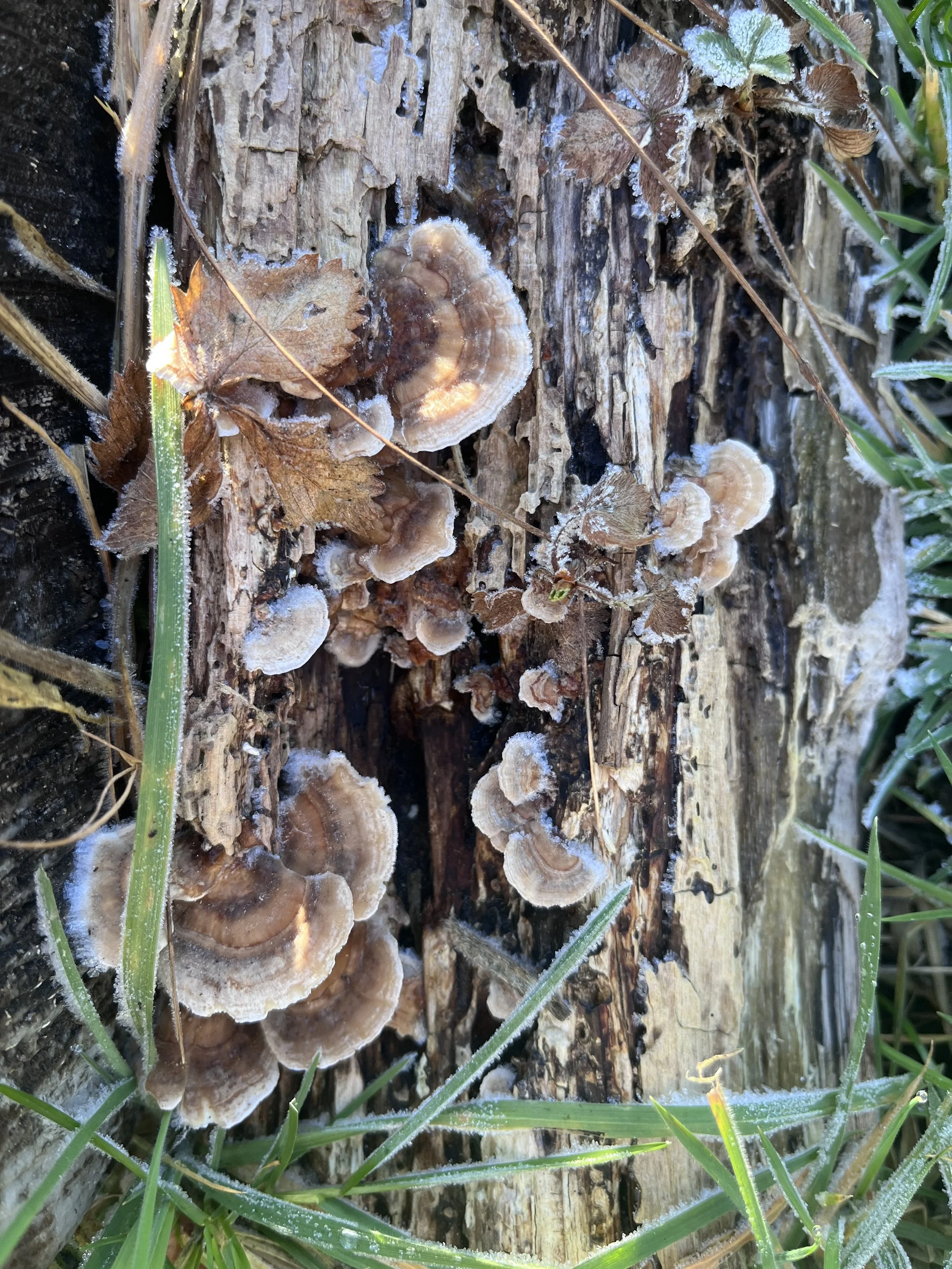
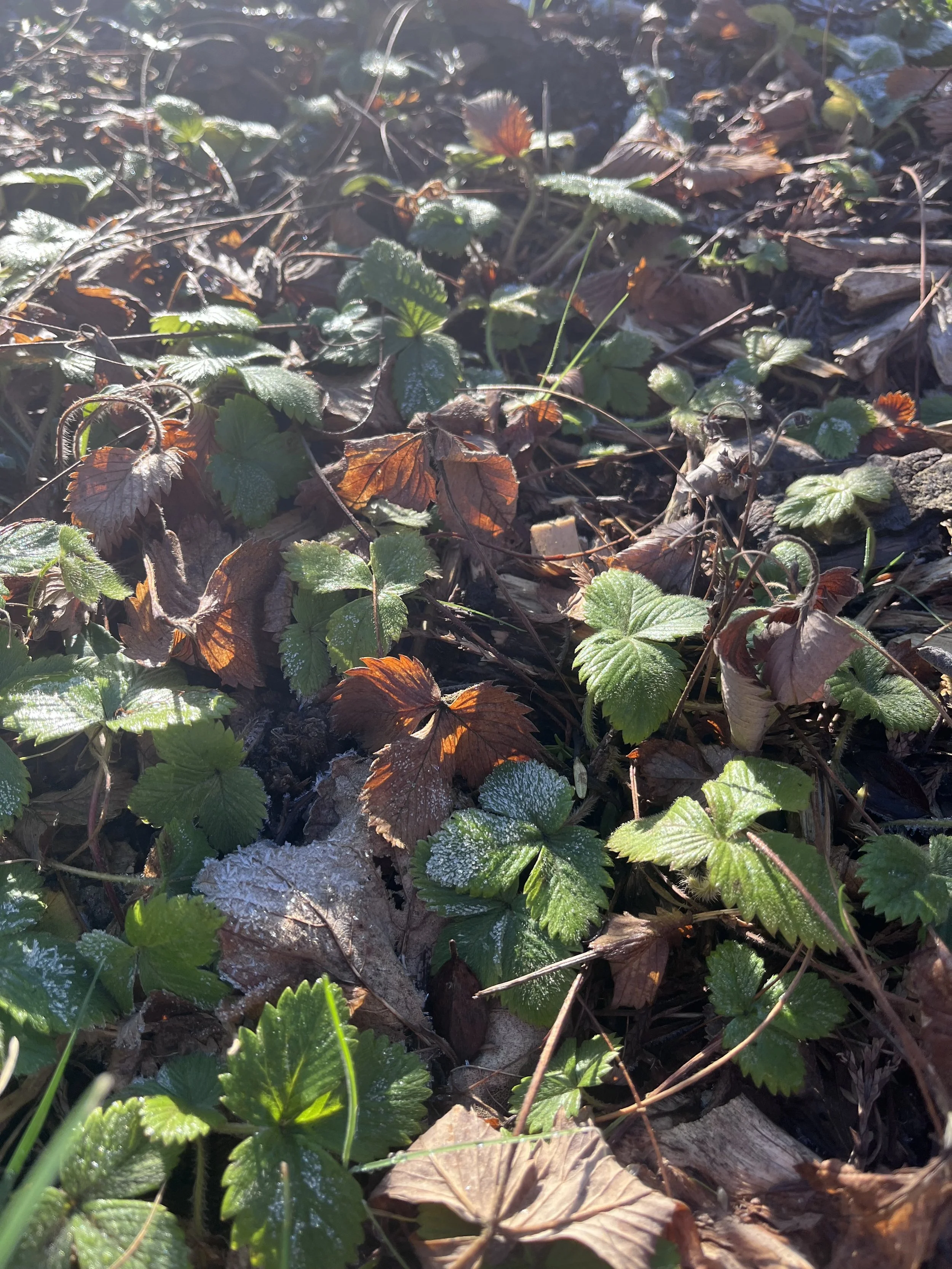
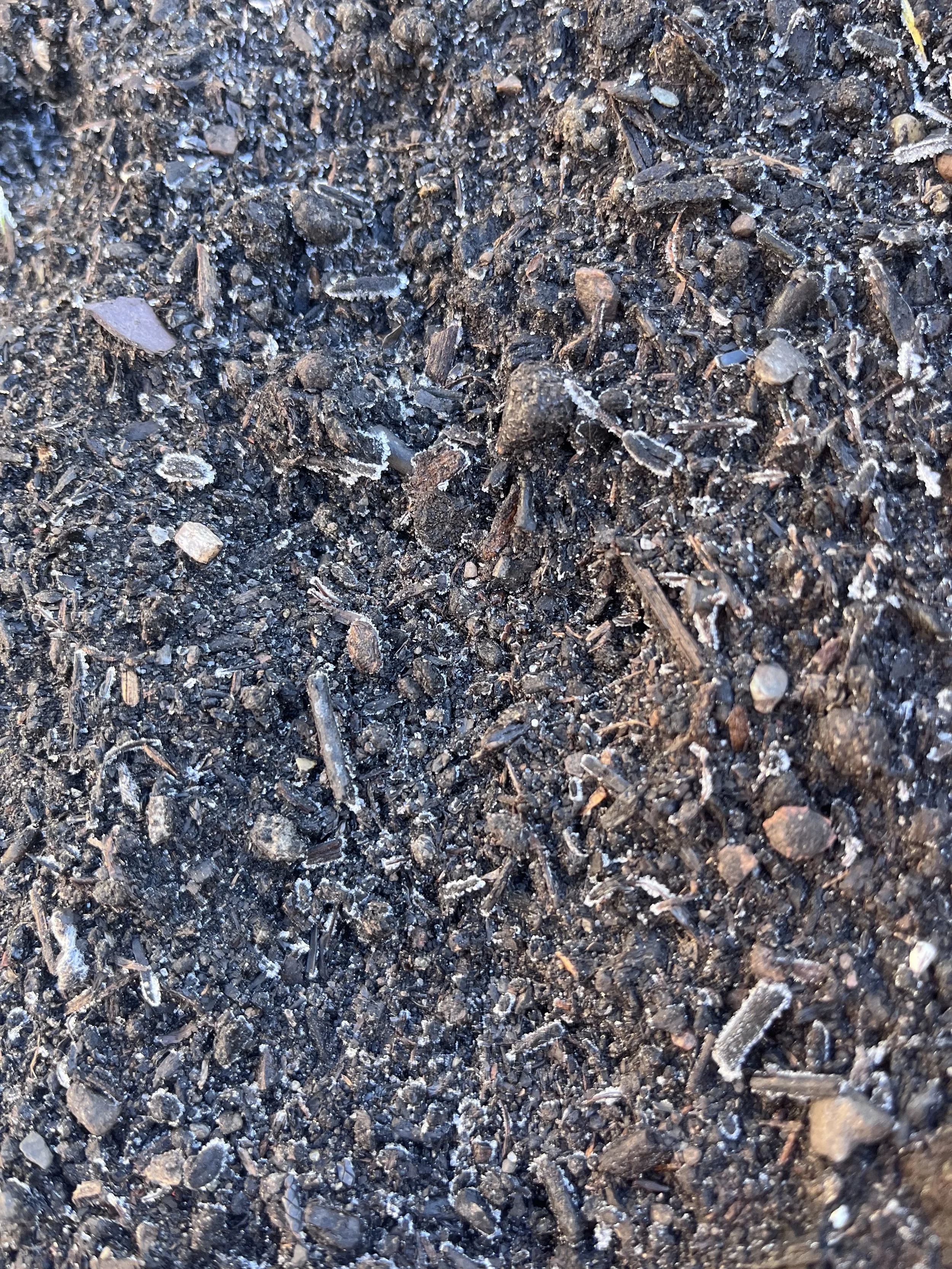
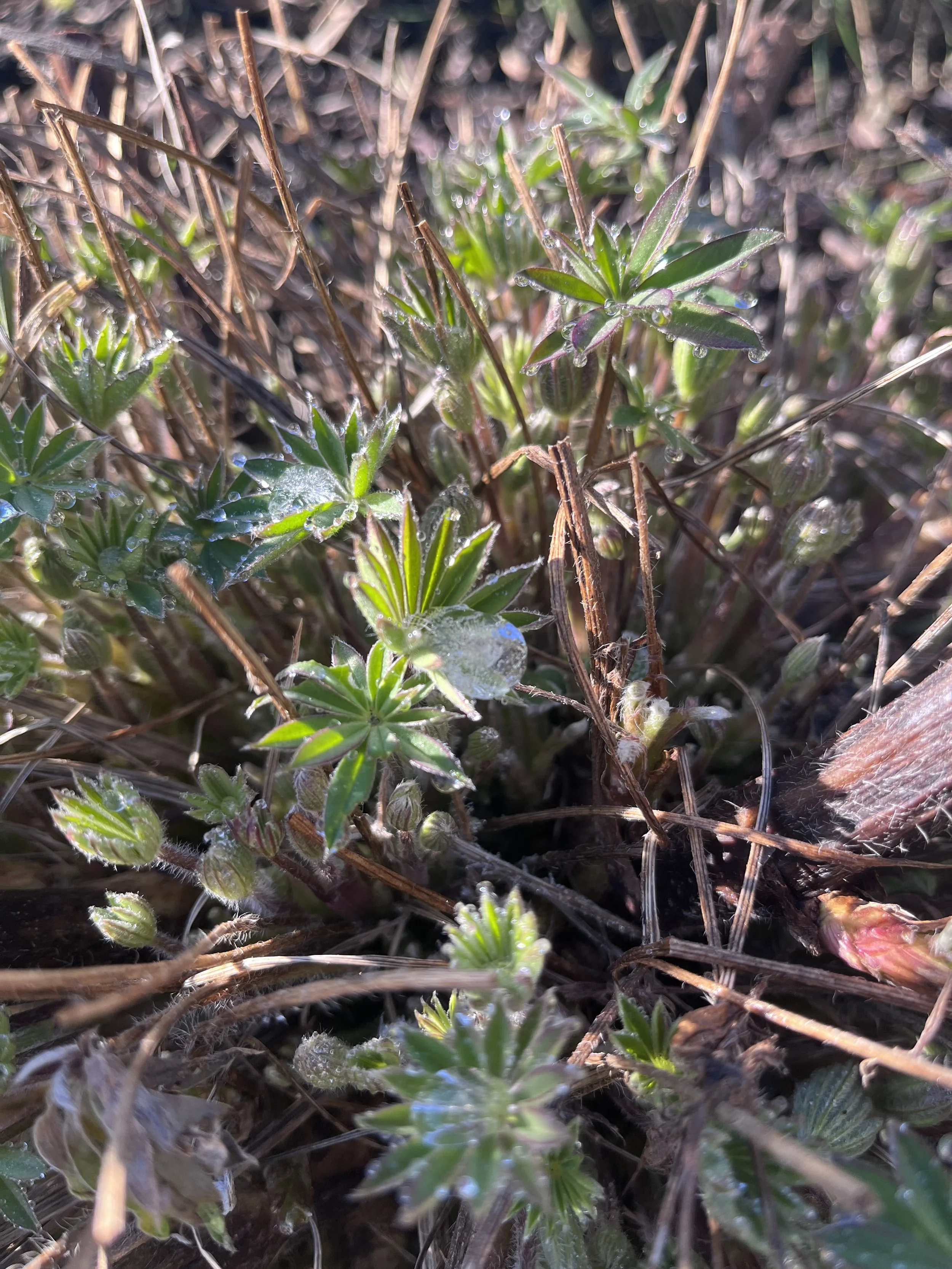
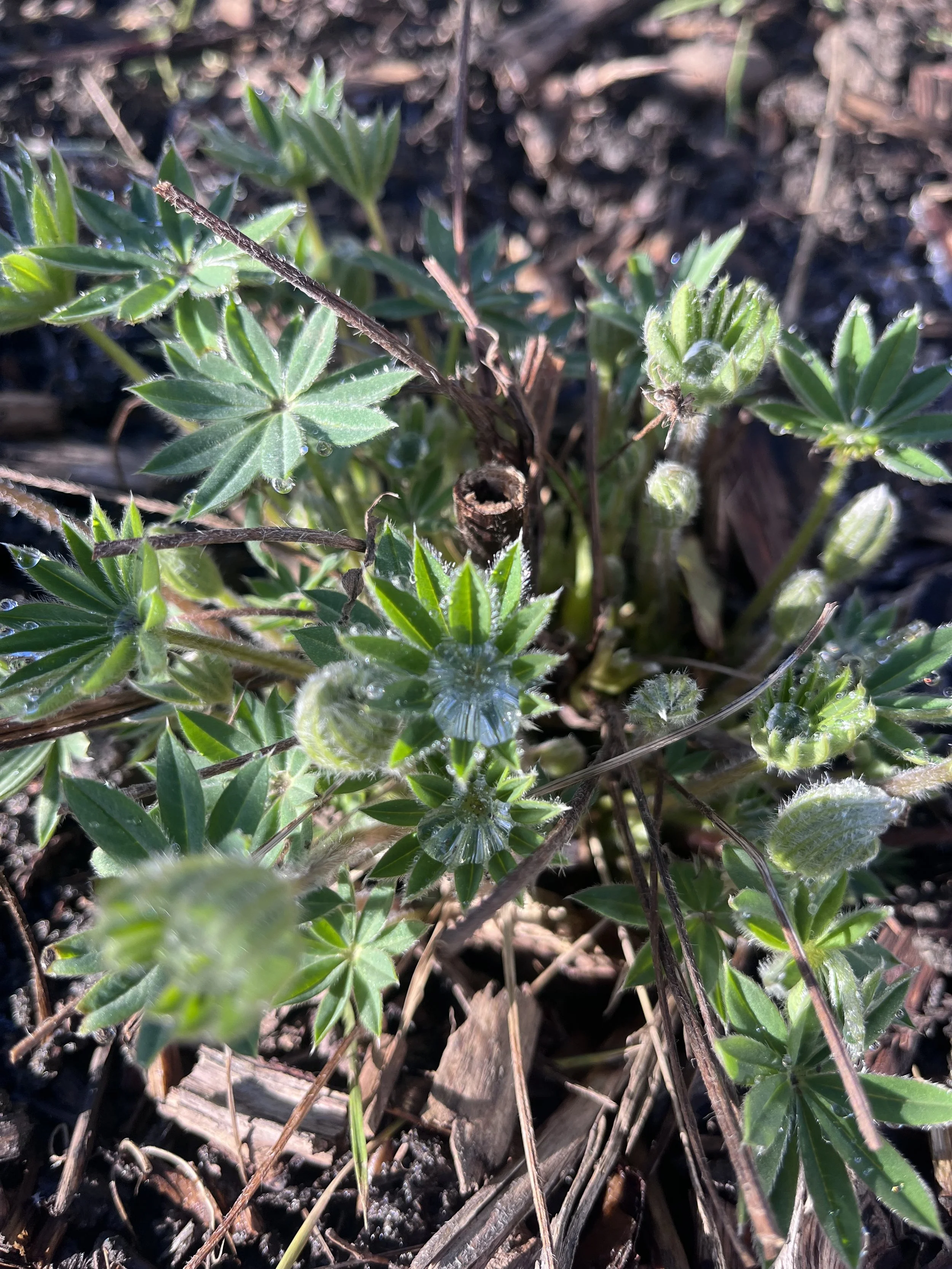
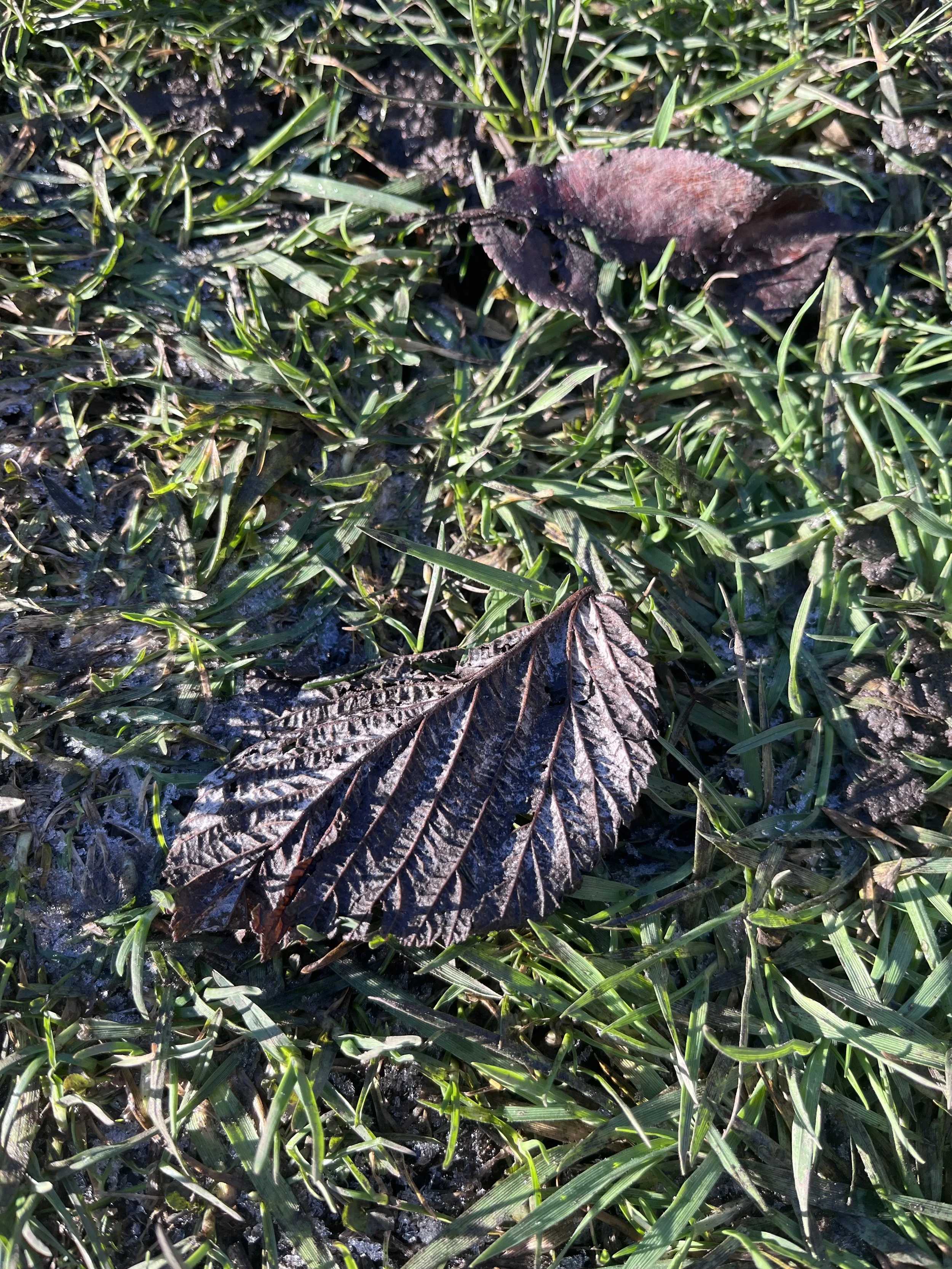
Ground Textures.
From the recent sketches that I have been working on in my sketchbook, I have realised just how important textures, and the layering of these textures, are in my art practice in helping to create the sense of energy and noise that I am wanting to achieve. Spurred on by this inspiration, and the drive that I am feeling from these sketches, I am trying to capture photographs of textures more when I am out in nature.
I was inspired to do just that on a recent frosty Saturday morning when I was forced to stop and slow down while we were gardening after feeling rather fatigued. While I was sitting, trying to collect myself, I started to notice some of the textures around me in the late morning sunshine. Some were still covered in frost; others were partly thawing and beginning to melt under the soft heat of the sun.
Similar to the effect that I strive to create in my drawings, with the lines bleeding into one another and not being able to tell where one thing starts and another begins, this felt very close to how nature organically unfolds. Even with human intervention, nature and plants will still end up spilling over each other, scrambling for space and sunlight. However, much of this happens at a slower pace than what we are able to see with the naked eye. From the outside looking in, there can be a silent sense of calm. Again, I say for the most part, as there are many parts of nature that are not like this. Yet on this sunny, frosty morning it felt calm, as though everything was beginning to wake from a winter slumber in a way that we rarely allow ourselves to do as humans.
Underneath all of this I could also feel a curious sense of excitement building, something similar to what I remember feeling as a child playing in our garden while I was growing up. I have very fond memories of water droplets clinging to the leaves of lupins, of moisture from mist caught in spiderwebs, or of ice spiking and creating delicate patterns across shallow pools of water. It created an atmosphere that felt otherworldly, almost magical; an escape from the everyday.
What I am continuing to realise is just how important a sense of place is within my work, and how this feels like an important vein to explore more deeply. Particularly in relation to alexithymia, and the idea of art as an alternative language through which emotion can be processed or expressed. This also feels closely tied to neurodivergence, and to experiences of chronic illness or pain, where the body and mind do not always communicate in ways that are easily articulated.
There is also something about the innocence of childhood excitement and wonder that feels significant here. The “noise” and textures that I am creating in my work are not simply formal decisions; they feel connected to that early sense of intensity and aliveness. Perhaps they are a way of holding onto it, or of translating it into something visible.